Blog
28 Mar 2026
Blog
Green Logistics Elevates Vietnamese Agricultural Exports
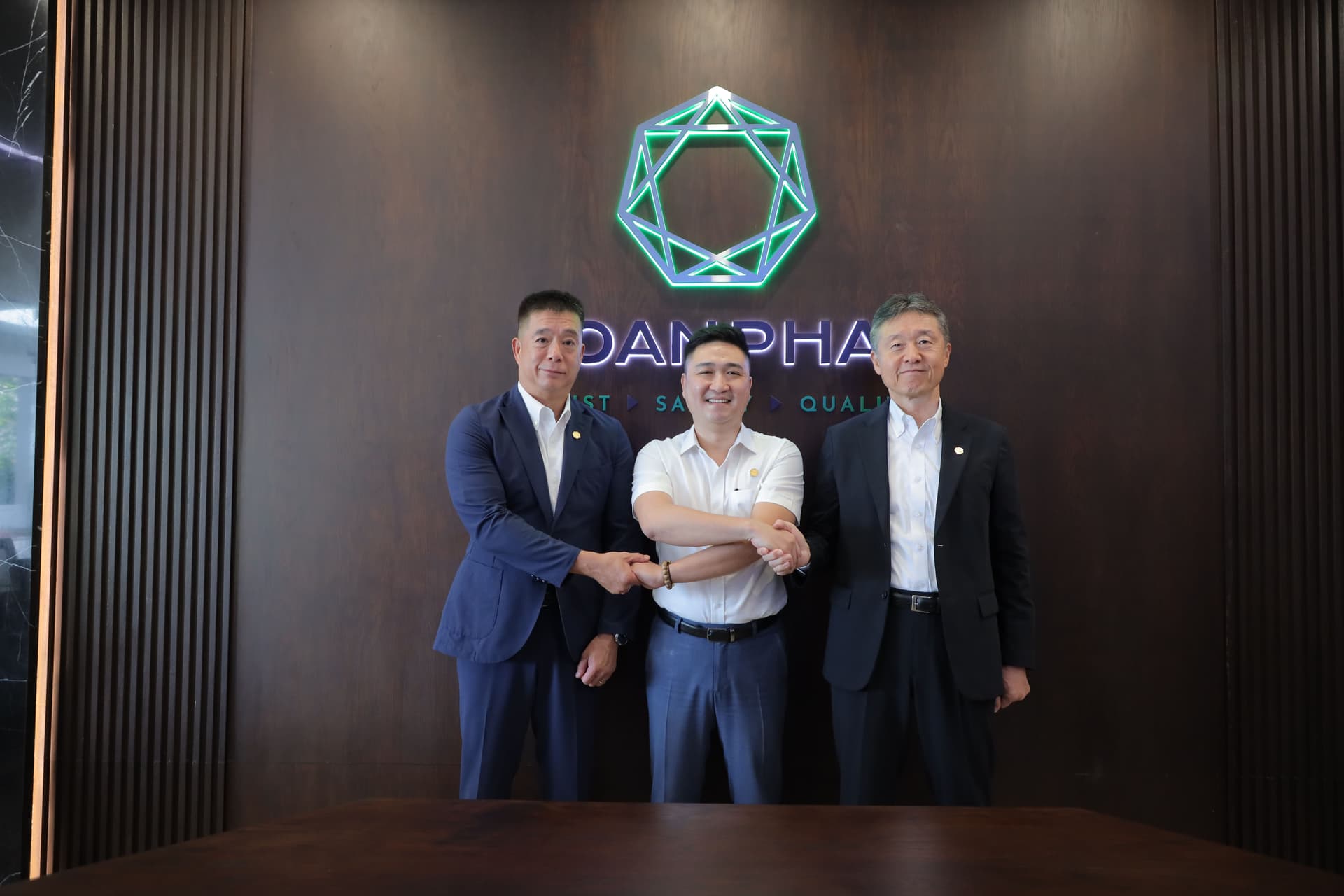
An integrated logistics chain comprising irradiation, cold storage, and transportation helps reduce carbon emissions and better preserve Vietnam’s agricultural and aquatic products for international markets. Agriculture and aquaculture are among the pillars of Vietnam’s export landscape, contributing more than USD 50 billion annually and projected to reach USD 65 billion in 2025, according to the Ministry of Industry and Trade. However, building an international brand involves more than just production; it also depends on logistics capacity, particularly green logistics—an element that reduces carbon emissions while enhancing quality control of agricultural exports. The Mekong Delta, Vietnam’s largest hub for rice, seafood, and fruit, currently accounts for about 30% of the southern region’s cold storage capacity and nearly 50% nationwide. It also hosts dozens of industrial zones, serving as a production-logistics center connecting Ho Chi Minh City and international seaports. Yet, the region’s cold logistics system remains fragmented, forcing exporters to bear high costs and significant risks. According to experts from Can Tho University, cold logistics is not merely technical infrastructure but a strategic factor in boosting competitiveness. An incomplete logistics chain can increase costs by as much as 20–30% of product prices, reducing Vietnam’s agricultural competitiveness compared to Thailand, Malaysia, or China. “Greening” Agricultural Logistics Amid global efforts to reduce emissions, green logistics has become an inevitable trend. In the agricultural sector, minimizing transshipment stages not only cuts transport-related emissions but also directly strengthens quality control. Strict environmental standards from markets such as the US, EU, and Japan increasingly demand sustainable supply chains. According to Mr. Vương Hiếu, Chairman and CEO of Toan Phat Irradiation Co., Ltd., the integrated model of “irradiation – cold storage – transportation” at a single location can eliminate multiple energy-intensive transshipment stages. Previously, goods had to be gathered at a separate cold storage facility before irradiation, then returned for cold storage again prior to export. Now, the entire process is conducted in one place. “This effectively eliminates redundant transshipment steps, reduces carbon emissions, and moves toward green logistics,” Mr. Hiếu explained. This integrated logistics model results from an alliance between Toan Phat and two Japanese corporations—Kawanishi Warehouse and MOL Logistics—forming the Mekong Logistics Hub in Tay Ninh (formerly Long An), at the southern gateway of Ho Chi Minh City. Kawanishi Warehouse, with over 100 years of experience building cold storage chains worldwide, brings international AEO-standard management expertise. Meanwhile, MOL Logistics, a subsidiary of Mitsui O.S.K. Lines with a network of 138 global offices, provides direct connections for Vietnamese agricultural exports to strategic ports such as Cai Mep and Hai Phong. The alliance between a Vietnamese enterprise and two leading Japanese logistics groups will maximize the utilization of Toan Phat’s 11,000-ton cold storage facility, serving about 500 domestic exporters of agricultural and aquatic products, particularly in the Mekong Delta. The involvement of Japanese partners also requires the local logistics chain to be “greened.” As such, irradiation plants, cold storage, and transport chains must be designed based on sustainable development standards: using renewable energy, treating and recycling wastewater, and ensuring green operational spaces. This approach enhances Vietnam’s export competitiveness, as many import markets increasingly consider green criteria as a core benchmark for evaluating goods. For the agricultural and aquaculture sectors, the greatest export risk lies in microbiological safety and preservation. A single seafood shipment exceeding microbiological thresholds could cause a business to lose an entire market. The integrated logistics model helps address this challenge. “For example, seafood bound for the US requires strict microbiological control. If treated but then transshipped to another facility, the risk of recontamination is high. With an on-site closed system, businesses can minimize this risk while saving time and costs,” Mr. Hiếu noted. This ensures Vietnamese agricultural exports meet international standards while elevating their reputation among importers. As Vietnam pursues its target of USD 65 billion in agricultural, forestry, and fishery exports in 2025, the Mekong Logistics Hub is expected to shorten export routes, lower costs, and enhance competitiveness. In the long term, the model aims to become a critical cold-chain transshipment hub in ASEAN, positioning Vietnam’s agricultural exports on the global map. “The logistics alliance will serve as a competitive advantage, helping to elevate Vietnam’s entire logistics infrastructure,” remarked Mr. Osamu Sakurada, Chairman and CEO of MOL Logistics. Source: VTV.vn
28 Mar 2026
Blog
Vietnamese pomelo officially enters the Australian market: Irradiation technology – The key to unlocking export opportunities
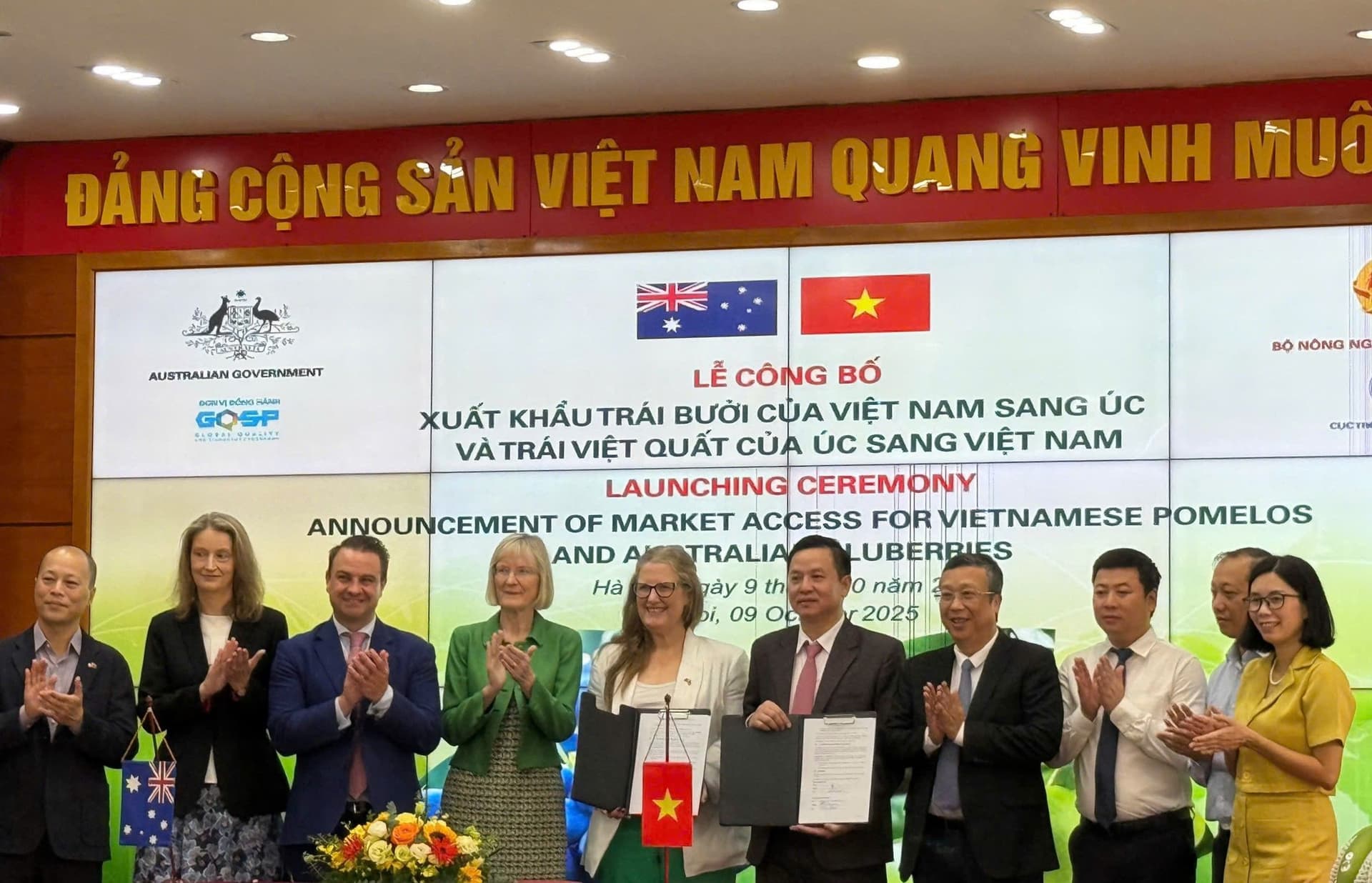
Toan Phat Irradiation (TPI) is among the few facilities in Vietnam recognized by Australia as meeting its strict phytosanitary requirements for fresh fruit exports. HANOI – After more than two years of negotiation, fresh Vietnamese pomelo has officially been approved for import into the Australian market, becoming the sixth Vietnamese fresh fruit to enter this high-standard market after dragon fruit, mango, longan, lychee, and passion fruit. This milestone not only opens new growth opportunities for Vietnam’s pomelo industry but also reaffirms the country’s ability to meet the world’s most stringent technical and quality standards. Speaking at the official announcement ceremony on October 9, Deputy Minister of Agriculture and Rural Development Hoang Trung emphasized that the market opening marks a strong recognition of Vietnamese agricultural credibility. “In today’s global trade environment, where transparency, traceability, and sustainability are top priorities, Vietnam considers Australia a strategic partner — not only in trade but also in technology transfer and the development of sustainable value chains,” he noted. With more than 100,000 hectares of pomelo cultivation, an annual output of nearly 1 million tons, and an export turnover of about USD 60 million in 2024, Vietnam’s pomelo industry has enormous potential for expansion. However, entering a market as highly regulated as Australia requires exporters to comply with exceptionally rigorous quarantine and phytosanitary conditions. Fresh pomelo exported from Vietnam to Australia Under the bilateral agreement, one of the key technical requirements stipulates that all fresh pomelos must undergo irradiation treatment at a facility jointly approved by the Vietnam Plant Protection Department and the Australian Department of Agriculture, with a minimum dose of 150 Gy. This ensures the destruction of pest eggs and larvae while maintaining the fruit’s freshness, flavor, and nutritional integrity. Among the few facilities qualified for this process, the Toan Phat Irradiation (TPI) continues to play a vital role in the export value chain. Recognized by the agricultural authorities of Australia, the United States, and New Zealand, TPI operates under internationally accredited quality management systems such as ISO 22000, HACCP, and Halal. These certifications ensure that all post-harvest irradiation treatments comply with global standards for phytosanitary safety, food hygiene, and traceability. Toan Phat Irradiation is ready to accompany Vietnamese enterprises in exporting fresh pomelo to Australia. Irradiation technology is regarded as an optimal solution for pest control, enabling exporters to fully eliminate quarantine pests while preserving the color, texture, freshness, and nutritional value of the fruit — a decisive factor for Vietnamese pomelo to maintain its competitive advantage in the Australian market. A representative from Toan Phat Irradiation shared: “We understand that overcoming technical barriers is critical to the success of Vietnam’s agricultural exports. With practical experience and infrastructure recognized by the most demanding markets, TPI is committed to supporting Vietnamese exporters — not only through irradiation services but also via technical assistance to standardize post-harvest procedures. Our goal is to help Vietnamese pomelo achieve sustainable success in Australia. We firmly believe that, with advanced technology and close collaboration among Vietnamese enterprises, our pomelo will not only thrive in Australia but also expand into other promising international markets.” Source: Department of Crop Production and Plant Protection
28 Mar 2026
Blog
Vietnamese pomelos enter the Australian market: The story of a long-term strategy
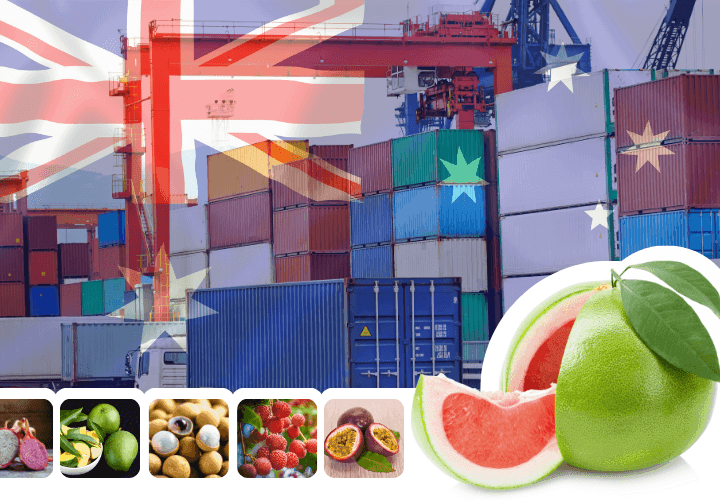
A new milestone in Vietnam’s agricultural integration journey After more than two years of negotiations, the Plant Protection Department (Ministry of Agriculture and Rural Development), in coordination with the Australian Embassy in Vietnam, organized the official announcement ceremony for Vietnam’s pomelo exports to Australia, marking a significant milestone for the country’s fruit industry. Accordingly, Vietnamese pomelos exported to Australia must be free from 19 prohibited pests and treated with irradiation at authorized facilities. They must also meet all packaging, labeling, and phytosanitary standards. Thus, following dragon fruit, mango, longan, lychee, and passion fruit, pomelo has become Vietnam’s sixth fruit officially approved for export to Australia—one of the world’s strictest countries in plant quarantine requirements. The Australian market – A true test of Vietnamese agricultural capability Australia has long been regarded as a “benchmark of quality” for global agricultural products. The country enforces stringent standards in every stage—from cultivation and harvesting to packaging and inspection. For fresh produce, particularly fruit, the requirements are even higher: pest-free, chemical-residue-free, and processed with approved technology. The fact that Vietnamese pomelos have passed this “narrow gate” not only demonstrates strong quality control capabilities but also reflects the long-term strategic vision of Vietnam’s agricultural sector in developing standardized growing areas and upgrading preservation technology. Importantly, the success of pomelos did not come by chance—it is the result of a persistent transformation toward export thinking: shifting from chasing quantity to focusing on quality and sustainable value. Expanding opportunities for growing regions and export nterprises Previously, Vietnamese pomelos were consumed mainly in the domestic market or exported through unofficial channels, which carried high risks in terms of price and output. The official approval for Vietnam’s pomelos to enter the Australian market has opened new opportunities to restructure growing regions toward a closed value chain model—from farms to global markets. Once processes are standardized, Vietnamese pomelos can not only conquer Australia but also expand into other markets with similar requirements. Irradiation – The technological key to export success One mandatory condition is that all pomelo shipments must be irradiated at recognized facilities. Irradiation uses ionizing radiation to treat agricultural products, ensuring hygiene and safety without altering the fruit’s appearance or nutritional value. The process also extends shelf life and has been recognized as safe and effective by the WHO, FAO, and IAEA. In Vietnam, Toan Phat Irradiation Factory (TPI) is one of the few facilities recognized by Australian Biosecurity Import Conditions (BICON)—a division under the Department of Agriculture, Fisheries and Forestry (DAFF) of Australia—as qualified to provide irradiation services for exports to Australia, the United States, and New Zealand. TPI plays a pivotal role in helping Vietnamese agricultural products meet international phytosanitary standards domestically, ensuring full compliance before customs clearance. A long-term strategy to expand premium markets The approval for Vietnamese pomelos to enter Australia goes beyond the success of a single fruit—it signifies a strategic shift in Vietnam’s agricultural development mindset: from short-term goals to long-term strategy, from production to value chain management. This breakthrough helps Vietnam transition from being a “follower” to a “competitive contender”, standing alongside leading regional exporters like Thailand and Malaysia. From a single approval decision, “Vietnamese Pomelos Entering the Australian Market” has become a symbol of long-term strategic vision in agricultural development. Behind every exported pomelo lies an ecosystem of logistics, technology, and dedicated professionals—quietly creating a green passport for Vietnamese agricultural products on their journey toward global integration. Toan Phat Irradiation Factory Hotline: 093 100 0001 Fanpage: www.facebook.com/chieuxatoanphat Website: http://www.chieuxatoanphat.vn/ Address: Block A24-1, Ngang 1 Road, Phu An Thanh Industrial Park, Ben Luc Commune, Tay Ninh Province, Vietnam.
28 Mar 2026
Blog
Multi-Service cold storage: A new step forward in the food supply chain
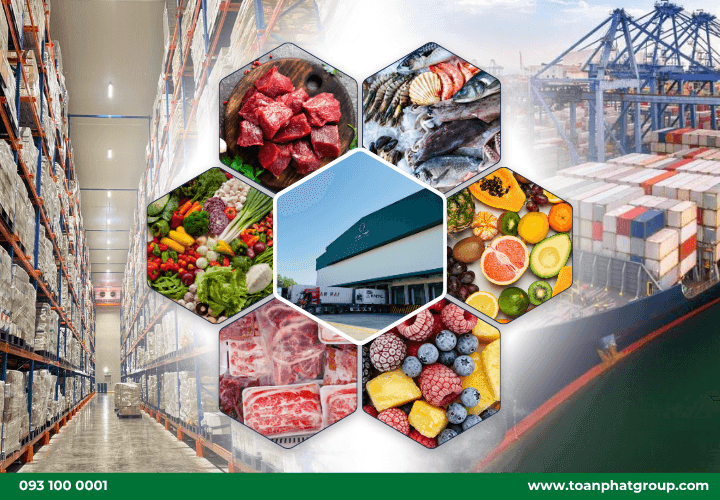
From storage space to value operation In the context of a global supply chain that increasingly demands speed, quality, and traceability, the concept of “cold storage” has gone far beyond its traditional role. The rapid transformation of the market, especially the growing demand for fresh, safe, and internationally standardized food, is driving businesses to shift their mindset from “preservation” to “value operation.” Today, cold logistics centers are no longer just storage spaces; they are evolving into multi-service cold storage facilities, where goods are processed, packaged, preserved, and distributed through a seamless, end-to-end service chain. Multi-service cold storage: The inevitable trend of the food supply chain The emergence of the multi-service cold storage model represents a natural progression in the evolution of the cold logistics industry. As demand for fresh and safe food rises sharply, businesses must develop more efficient supply chains with stricter control over quality, traceability, and operational costs. International markets, particularly strict export destinations such as the U.S., EU, and Australia, are setting increasingly stringent standards for safety, quarantine, and preservation. Therefore, traditional cold storage, serving only as a storage facility is no longer sufficient. Export enterprises are shifting to comprehensive service systems, where all activities—from receiving and processing to delivery—are executed in a unified flow, ensuring consistent quality control. At the same time, the pressure to optimize logistics costs and the trend of globalization make the multi-service model more appealing than ever. Integrating multiple operations within a single center allows businesses to respond faster to market demands while maintaining efficiency. Benefits of Multi-Service Cold Storage Using multi-service cold storage brings comprehensive benefits, especially for diverse product groups handled by import-export and food distribution enterprises ranging from beef, pork, chicken, salmon, squid, shrimp, snail, pangasius, octopus, and marine fish to fresh fruits and vegetables. Optimize costs and manpower: All processes from storage to handling—are carried out within one integrated system, saving time and operational costs. Shorten delivery time: The integrated model accelerates product movement, reducing risks during transportation and preservation. Enhance product quality: Goods are managed uniformly with strict control of temperature, humidity, and hygiene standards. Increase market responsiveness: Multi-service cold storage allows flexible adjustments to preservation or processing procedures to meet the specific requirements of each importing market. Becoming a “Strategic Partner” Instead of a “Service Provider” The value of a modern cold storage facility lies not only in its storage capacity but in its ability to accompany customers throughout the entire cold logistics journey from raw material handling, production, and irradiation (for microbial and pest control) to storage, transportation, and final delivery. For agri-seafood exporters, this is especially critical. Fresh seafood, imported salmon, beef, shrimp, squid, and fruits exported to the U.S., EU, and Australia all require rigorous temperature and hygiene control at every stage. Multi-service cold storage gives exporters confidence that their products are preserved to international standards, minimizing risks while meeting global market demands. Professionally operated cold storage facilities certified with ISO 9001:2015, ISO 22000:2018, HACCP, and HALAL, and equipped with inventory management systems, are increasingly becoming strategic partners for food and export enterprises. In the long term, the multi-service cold storage model not only helps reduce costs and risks but also builds sustainable supply chains, enhancing the global competitiveness of Vietnamese agricultural and food products. A Breakthrough in the Supply Chain Instead of investing separately in storage, transport, and handling systems, businesses today can outsource the entire cold supply chain, reducing fixed costs and focusing resources on core production and business operations. This model provides a distinct advantage for exporters as goods are processed within one continuous chain, shortening the time from farms to international markets. With the goal of accompanying Vietnamese agri-seafood enterprises on their journey to global markets, Toan Phat Logistics (TPL) has invested in a cold storage system certified with ISO 9001:2015, ISO 22000:2018, HACCP, and HALAL, meeting the stringent standards of import markets. In this journey, TPL continuously innovates and seeks the most efficient solutions for Vietnamese businesses. The collaboration with two Japanese partners MOL Logistics and Kawanishi Warehouse aims to establish the Mekong Logistics Hub, the first integrated cold logistics center in Vietnam. The project is designed to offer end-to-end supply chain services from irradiation and cold storage to domestic transportation and port connectivity helping agri-seafood enterprises shorten export routes, reduce costs, and enhance competitiveness. Whether for imported goods, domestic products awaiting distribution, or export shipments to international partners, Toan Phat Cold Storage provides tailored storage solutions for each product type from meat, marine fish, squid, shrimp, snail, and octopus to vegetables and fresh fruits. All operations are conducted within an internationally certified system, ensuring safety, freshness, and precise temperature control. Discover the multi-service cold storage system of Toan Phat Logistics (TPL) a comprehensive solution partner supporting Vietnamese enterprises in maintaining product quality and expanding global competitiveness. Toan Phat Refrigerated Warehouse Hotline/Zalo (24/7): 093 100 0001 Fanpage: facebook.com/kholanhtoanphat Website: www.kholanhtoanphat.vn Address: Block A24-2, Ngang 1 Street, Phu An Thanh Industrial Park, An Thanh, Ben Luc, Tay Ninh, Vietnam.
28 Mar 2026
Blog
The food loss management challenge
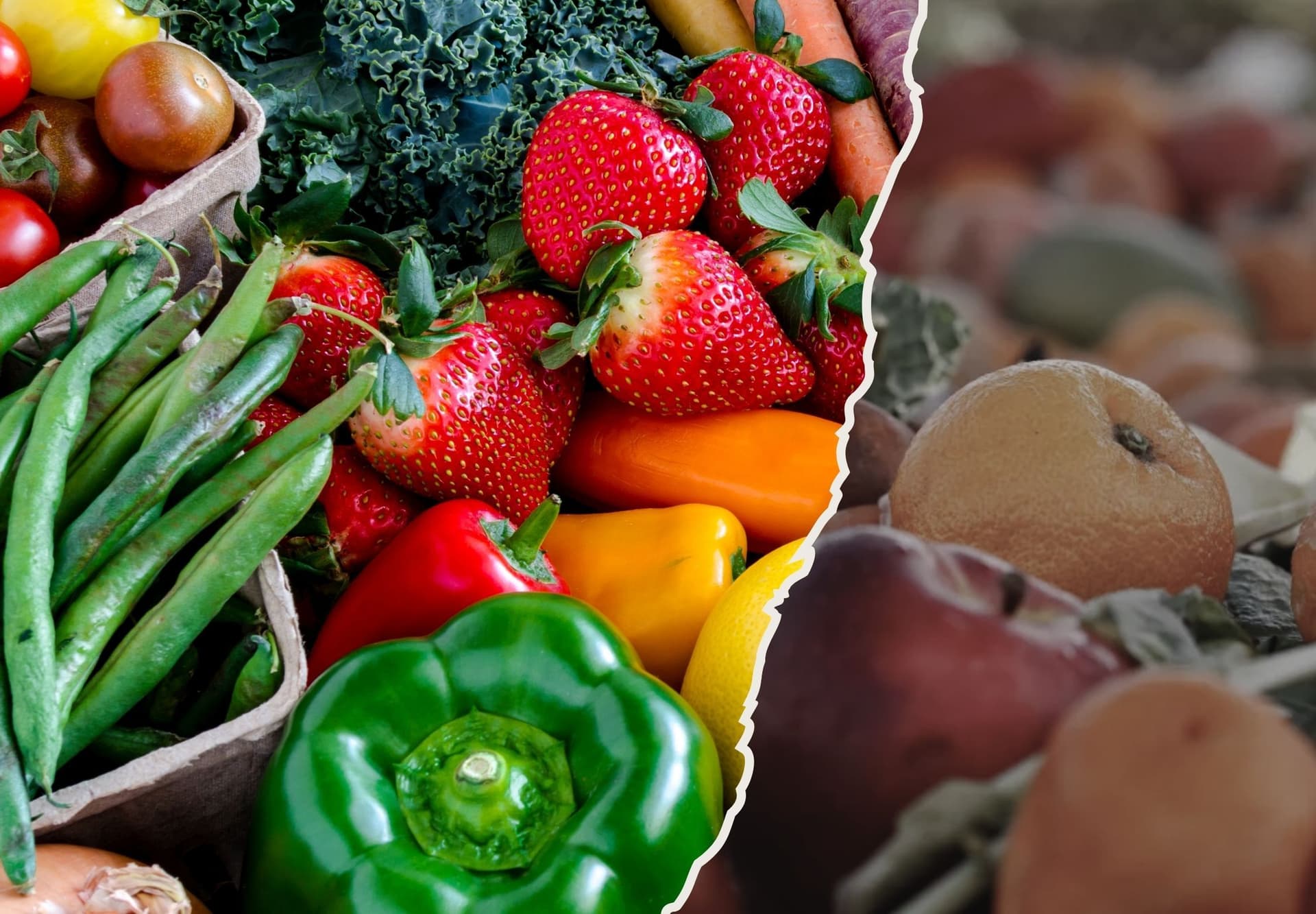
Food loss: A burden that extends far beyond the farm According to the Food and Agriculture Organization (FAO), more than 13% of global food output is lost along the supply chain before reaching retail shelves. In Vietnam, the Ministry of Agriculture and Environment estimates post-harvest losses at 3.5–4.1 billion USD every year, equivalent to 12% of agricultural GDP. These losses are not only economic, they contribute significantly to greenhouse gas emissions, aggravating climate change and intensifying extreme weather events. The bulk of food loss occurs during handling, storage, and transportation—stages heavily dependent on cold-chain infrastructure. Weaknesses in this system directly reduce farmers’ income and diminish the competitiveness of Vietnam’s agricultural exports. The primary causes stem from: the lack of a standardized, fully integrated cold-chain infrastructure , temperature-uncontrolled transportation, and fragmented post-harvest handling. From the production area to storage facilities, from processing plants to markets and distribution points, goods must pass through multiple stages and just one weak link in this entire supply chain can spoil an entire shipment. Beyond economic losses, food loss also undermines the competitiveness of Vietnamese products in high-value export markets, which impose stringent requirements on traceability, hygiene and safety, and overall product quality. The root cause: Gaps in the cold-chain system If the food supply chain is seen as an “energy transmission line,” the cold chain is the conduit that preserves quality and value from farm to table. However, this conduit still contains many “leak points”: Uneven distribution of cold storage: Facilities are concentrated in major industrial zones, while key agricultural production areas still lack standardized preservation infrastructure. High cold-chain logistics costs : Operating refrigerated trucks, electricity, and equipment investments remain a heavy burden for small businesses. Manual management: Many facilities rely on experience rather than automated temperature monitoring and early warning systems. Fragmented process linkage: Limited integration across production, inspection, cold storage, transportation, and export within a single coordinated system. These factors combined make agri-seafood products highly perishable, lower in value, and at risk of rejection by importing countries. Managing food loss through integrated supply chains To address this issue, developing comprehensive integrated supply chains—where multiple logistics solutions are combined under one provider—has become a sustainable approach. Rather than simply storing goods, these providers act as “value transit stations,” helping businesses: Reduce post-harvest loss: Products are cooled immediately after harvest, maintaining stable temperatures from reception to distribution. Extend product shelf life: Proper preservation techniques help fruits, vegetables, seafood, and meats stay fresh longer while retaining quality. Meet strict import standards: via irradiation, microbiological control, and certified cold storage—vital for markets such as the U.S., EU, Australia, and New Zealand. Optimize costs: Integrating services such as irradiation, transport, and customs within one provider reduces multiple transfers and saves operating expenses. This model is currently being implemented by Toan Phat Logistics (TPL) at the gateway of the Mekong Delta, with the vision of establishing the Mekong Logistics Hub—a closed-loop preservation network that enhances the value of Vietnamese agri-seafood products. Enhancing product value through food loss management Imported items such as beef and salmon, alongside exported products including shrimp, squid, pangasius, marine fish, and fresh produce, require tightly managed preservation conditions—especially when destined for premium markets. Storing goods in internationally certified cold storage (ISO 9001, ISO 22000, HACCP, HALAL) significantly reduces spoilage rates and improves export success. Many import-export enterprises are already seeing clear benefits after shifting to multi-service cold storage providers: Lower losses during storage Unified quality control Higher export values thanks to better freshness and traceability Toan Phat Refrigerated Warehouse – Partnering for sustainable value With the mission “Reduce Loss – Increase Value – Foster Sustainability,” Toan Phat Refrigerated Warehouse (TPL) provides an internationally certified cold storage system that serves both importers and exporters of agri-seafood products. TPL goes beyond preservation—it partners with clients across the entire post-harvest management process, from goods reception, quality inspection, and irradiation to transport and customs support. Thanks to this integrated approach, products such as beef, salmon, squid, shrimp, snail, pangasius, vegetables, and fruits retain their full flavor and freshness throughout their journey from farm to table. Toan Phat Refrigerated Warehouse understands that managing food loss is not merely about “reducing waste” but about investing in a sustainable future. It represents not only an economic necessity but also a commitment to food security and sustainable development. In a global marketplace where quality, safety, and traceability define competitiveness, choosing a multi-service cold storage provider is essential for Vietnamese agri-exporters to compete and succeed. Discover the multi-service cold storage system of Toan Phat Logistics (TPL) a comprehensive solution partner supporting Vietnamese enterprises in maintaining product quality and expanding global competitiveness. Toan Phat Refrigerated Warehouse Hotline/Zalo (24/7): 093 100 0001 Fanpage: facebook.com/kholanhtoanphat Website: www.kholanhtoanphat.vn Address: Block A24-2, Ngang 1 Street, Phu An Thanh Industrial Park, An Thanh, Ben Luc, Tay Ninh, Vietnam.
28 Mar 2026
Blog
How can fresh fruit travel more than 15,000 km and still preserve its natural flavor ?
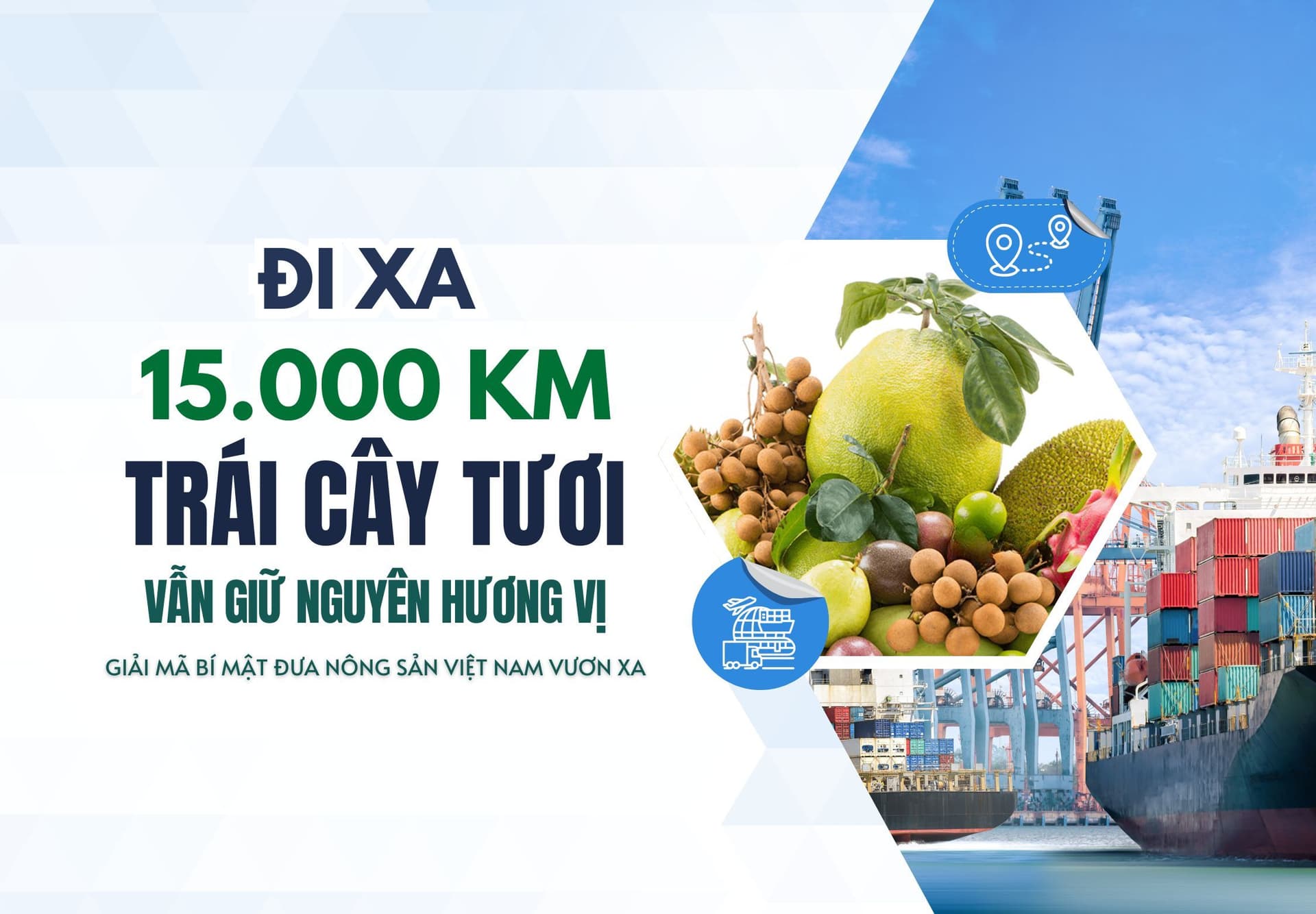
Decoding the technology behind Vietnam’s agricultural exports reaching global markets In recent years, Vietnamese fresh fruit has increasingly appeared in distant markets such as the United States, Australia, and New Zealand. What makes this noteworthy is not only the long journey more than 15,000 kilometers but the fact that fruits such as mangoes, longans, lychees, and pomelos still arrive with their freshness, color, texture, and natural flavor largely intact. Behind this success is the application of modern post-harvest technologies, in which irradiation plays a particularly important role. Export journeys and the hidden challenges along the way Exporting fresh fruit to international markets involves numerous challenges. Once harvested, fruit begins a natural ripening and aging process. Enzymatic activity gradually softens the flesh, changes color, and accelerates spoilage over time. During long-distance transportation, temperature fluctuations, humidity, and extended transit times increase the risk of quality deterioration. In addition, microorganisms and molds present on the fruit surface may continue to develop, even under cold storage conditions. A major challenge comes from quarantine requirements. Markets such as the United States, Australia, and New Zealand apply extremely strict phytosanitary standards, with zero tolerance for live insects, eggs, or larvae. Just one violation can result in the rejection of an entire shipment. Therefore, refrigeration alone is not sufficient to ensure that fresh fruit can travel over 15,000 km while maintaining quality. A more advanced technological solution is required to control pests, microorganisms, and ripening simultaneously. Irradiation: post-harvest technology that allows fruit to “travel far without aging” Food irradiation is one of the most effective post-harvest treatment methods currently applied to fresh fruit for export. This technology uses ionizing radiation to deactivate microorganisms, inhibit insect eggs and larvae, and slow down the ripening process. Depending on the technology used Gamma rays, Electron Beam (E-Beam), or X-ray irradiation affects the DNA of pests and microorganisms, preventing their growth and reproduction. At the same time, enzymatic activity responsible for ripening and spoilage is reduced. As a result, fruit maintains its firmness, color, and sensory qualities, while shelf life is significantly extended, without altering nutritional value or taste. Irradiation helps exporters reduce quarantine risks, improve consistency in quality, and enable longer transportation routes, including sea freight, while still meeting market requirements. Irradiation: A mandatory requirement in high-standard markets Irradiation is not only a quality-enhancing solution but also a mandatory phytosanitary requirement for many high-standard import markets. International organizations such as the World Health Organization (WHO) have confirmed that food irradiation is safe and effective. In markets such as the United States, Australia, and New Zealand, irradiation is required for many categories of imported fresh fruit to prevent the introduction of invasive pests. Each market has its own approved product list and technical protocols. As a result, exporters must ensure compliance across the entire post-harvest chain, including cold storage, transportation, irradiation treatment, and customs clearance. Toan Phat Irradiation Factory: A technological gateway for Vietnamese fruit In Vietnam, Toan Phat Irradiation (TPI) is one of the limited facilities approved by authorities in the United States, Australia, and New Zealand to conduct irradiation treatment for exported fresh fruit. TPI operates modern irradiation systems that meet international technical standards and can handle various types of agricultural products. Its processing capacity and standardized procedures support exporters in meeting quarantine requirements before shipment. Located at the gateway of the Mekong Delta, TPI also integrates irradiation with cold storage and logistics services, allowing exporters to streamline operations, reduce risks, and optimize costs. This integrated model helps businesses shorten handling time, manage peak harvest seasons more effectively, and maintain product quality throughout long-distance transportation. 15,000 km is no longer a barrier, just a distance Vietnamese fruit’s journey to global markets is no longer driven solely by natural quality, but by the integration of science, technology, and rigorous quality control systems. Irradiation has become the “passport” allowing Vietnamese fruit to enter the world’s most demanding markets while preserving its natural flavor. What was once a daunting 15,000 kilometer barrier has now become a feasible journey - marking a significant milestone for Vietnamese agricultural exports on the global trade map. Toan Phat Irradiation Factory Hotline: 093 100 0001 Fanpage: www.facebook.com/chieuxatoanphat Website: http://www.chieuxatoanphat.vn/ Email: thongtin@tpirr.vn Address: Block A24-1, Ngang 1 Road, Phu An Thanh Industrial Park, Ben Luc Commune, Tay Ninh Province, Vietnam.
28 Mar 2026
Blog
Toan Phat Irradiation and Toan Phat Cold Storage recognized as qualified cold storage facilities for preserving frozen seafood exported to the EU (EU CODE)
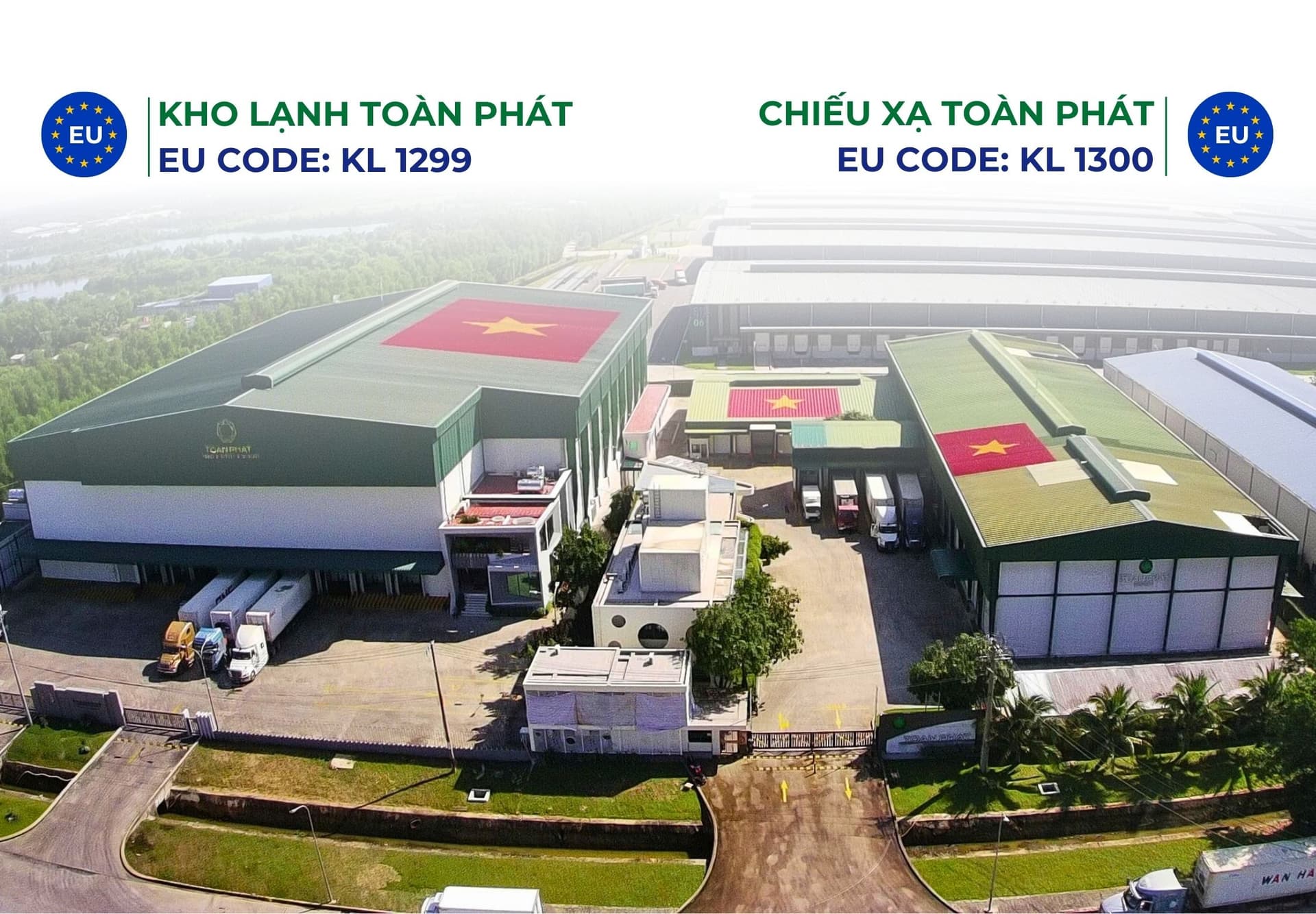
As Vietnamese food products increasingly gain a clearer presence on the global trade map, the nature of competition is also gradually changing. In international markets, competition is shifting toward quality, food safety, and the consistency of supply chains. In this race, every logistics stage—from post-harvest handling to storage and transportation—can become either a competitive advantage or a barrier. The fact that the frozen seafood cold storage systems of both Toan Phat Irradiation Plant (TPI) and Toan Phat Cold Storage (TPL) have simultaneously obtained EU Code certification is not only a quality milestone, but also a clear demonstration of the Mekong Logistics Hub’s orientation as an integrated complex capable of complying with international standards at every storage facility. This achievement reflects a unified standardization strategy across the entire post-harvest logistics chain, while continuing to affirm its role as a reliable partner for enterprises exporting frozen seafood to the EU, supporting Vietnamese food products in their journey toward sustainable global expansion. EU Code – A standard for cold storage facilities preserving frozen seafood for export to the EU EU Code is an identification number issued by competent European Union authorities to cold storage facilities involved in the supply chain for exporting frozen seafood products to the EU. This certification focuses on assessing infrastructure conditions and cold storage operational management capacity, including: Hygiene and food safety conditions of the facility Temperature monitoring and recording systems Inbound, outbound, and storage procedures Batch-level traceability capability Consistency and transparency of operational documentation Unlike many certifications that are largely formalistic, EU Code is directly linked to the daily operational practices of cold storage facilities. In practice, EU Code criteria are increasingly regarded by enterprises and international partners as a foundational standard for simultaneously meeting the requirements of multiple demanding markets, from Europe to other regions with high food safety standards. Why do enterprises prioritize supply chains with EU Code–Certified cold storage systems? From domestic raw material zones to retail shelves in demanding markets, the journey of Vietnamese frozen seafood products has become longer and more stringent. Within this supply chain, cold storage serves as a critical junction point. If this link is not properly controlled, risks can arise even when the input products meet quality standards. An EU Code–certified cold storage facility helps to: Maintain stable product quality throughout storage periods Minimize risks of cross-contamination and temperature deviations Ensure continuity and consistency of the cold chain Reduce the risk of alerts or customs clearance delays in the EU For this reason, choosing certified cold storage is no longer an “added value” option, but a fundamental condition for enterprises seeking to build a sustainable export supply chain. Advantages for enterprises choosing an EU Code–Certified supply chain When cold storage facilities within a supply chain are certified to EU Code standards, enterprises gain a solid foundation to proactively meet increasingly strict requirements from import partners. Compliance with international standards at the logistics stage significantly reduces pressure during documentation preparation, traceability verification, and proof of storage conditions, as all processes are standardized and consistently recorded throughout operations. More importantly, supply chains with EU Code–certified cold storage help enterprises minimize additional costs arising from reprocessing shipments or adjusting procedures following technical warnings. In relationships with importers, this certification is also a key factor in enhancing trust, as enterprises can clearly demonstrate their ability to control quality across the entire supply chain. Toan Phat Irradiation and Toan Phat Cold Storage jointly achieve EU Code certification for frozen seafood storage exported to the EU following rigorous evaluation Toan Phat Irradiation (TPI) has been granted EU Code KL 1300 , qualifying it as a cold storage facility for preserving frozen seafood products exported to the EU. In addition, Toan Phat Cold Storage (TPL) has been assigned EU Code KL 1299 , under the list of facilities qualified for frozen seafood storage for export to the EU. The fact that both Toan Phat Cold Storage (TPL) and the cold storage facility at Toan Phat Irradiation Plant (TPI) have been granted EU Code certification for frozen seafood storage destined for the EU demonstrates a unified standardization orientation across the entire post-harvest logistics chain. Accordingly, all stages directly related to product storage and preservation are operated under a single, consistent standards system, meeting the strict requirements of the EU market and other high-standard destinations. For exporting enterprises, selecting EU-recognized cold storage facilities for frozen seafood preservation ensures that products are consistently controlled for temperature, hygiene, and food safety throughout storage. On this foundation, EU Code–certified cold storage located at the irradiation facility plays a critical role in completing the post-treatment logistics chain, allowing products to continue being stored and controlled within the same standardized system after irradiation—without risks arising from transitions or dependence on multiple intermediaries. The achievement of EU Code certification by TOANPHAT Group’s cold storage facilities reflects the ecosystem’s step-by-step completion of a supply chain that is safe, transparent, and efficient—creating a solid foundation to support Vietnamese seafood not only in meeting export requirements, but also in sustaining competitiveness and long-term growth in international markets.
28 Mar 2026
Blog
EU Code Certification – The missing link in Vietnam’s seafood export chain to Europe
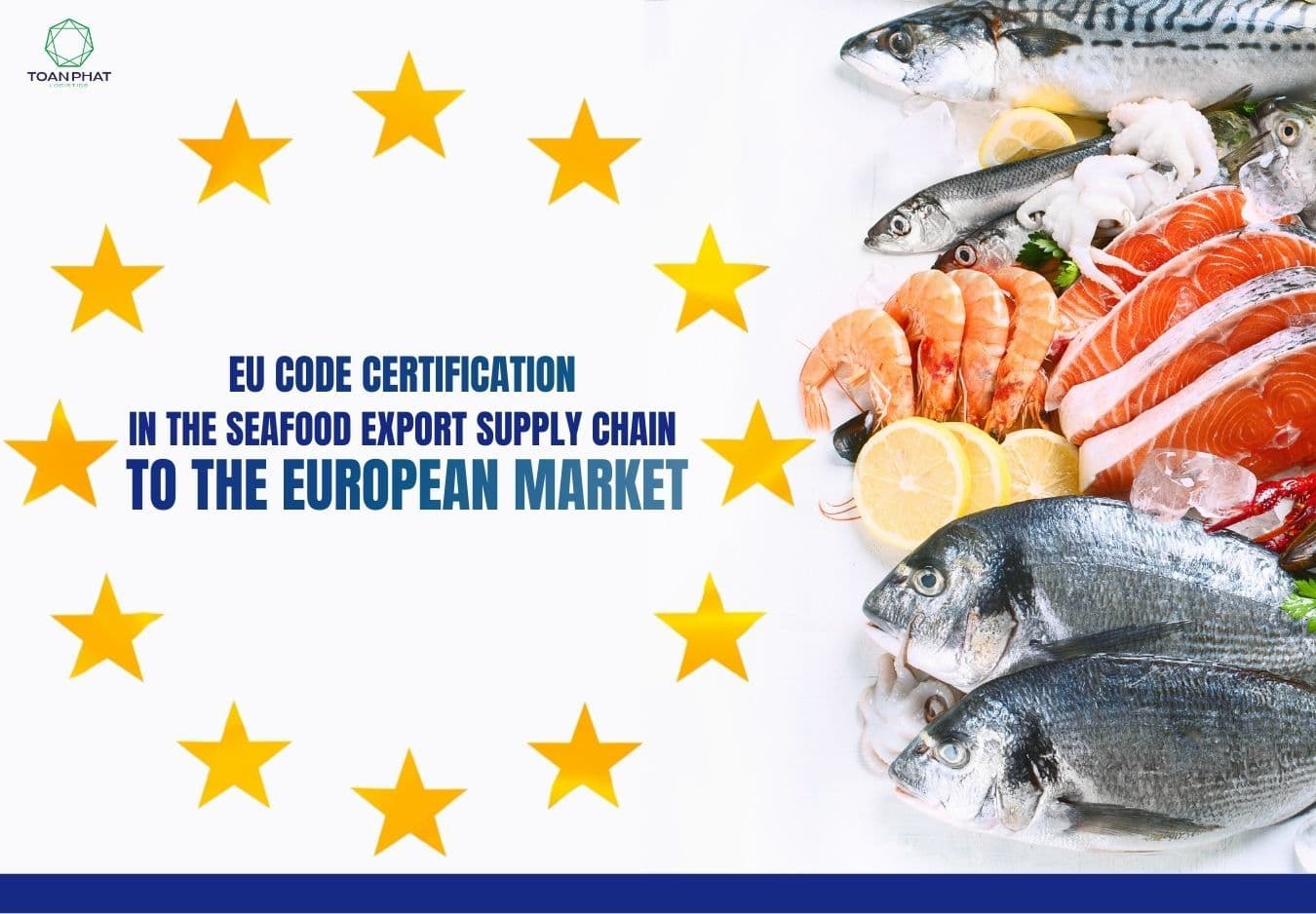
More than a legal requirement, the EU Code has become a decisive competitive condition, serving as a guarantee of food safety and operational capability for enterprises participating in Vietnam’s seafood export supply chain to the European market. Controlling the supply chain, not just the product In recent years, food safety management in stringent markets—particularly the European Union (EU)—has gradually shifted from inspecting finished products to controlling the entire supply chain. This shift is especially evident in the seafood sector, a category considered high-risk in terms of food safety and storage quality. Under this approach, a frozen seafood product seeking access to premium markets must not only meet standards at the processing plant, but all stages related to storage and handling throughout the logistics chain must comply with equivalent requirements. Cold storage facilities therefore become a mandatory link, directly responsible for maintaining food safety conditions throughout the storage period. A dedicated standard for cold storage serving seafood exports EU Code is an identification number granted by the EU’s competent authorities to facilities authorized to participate in the seafood export supply chain to Europe. For cold storage facilities, the EU Code is not a symbolic certification; it focuses on assessing actual operational capacity, including: Hygiene and food safety conditions of the warehouse Temperature monitoring and recording systems Inbound, outbound, and storage procedures Batch-level traceability capabilities Consistency and transparency of operational records The core principle of the EU Code lies in recognizing only those cold storage facilities capable of maintaining standards consistently in daily operations, rather than merely achieving compliance at a single point in time. A critical intersection in the seafood export chain In the frozen seafood export journey, cold storage acts as the intersection of multiple links—from production and processing to storage and export preparation. Any deviation at the cold storage stage can disrupt the continuity of the cold chain, even if all preceding stages have been properly controlled. A cold storage facility certified with EU Code helps ensure that: Product quality remains stable throughout storage Risks of cross-contamination or temperature deviation are strictly controlled Cold-chain documentation is fully recorded and traceable when required This is why an EU Code–certified cold storage facility is regarded as a safeguard of supply chain integrity, rather than merely a logistics service provider. How EU Code differs from other cold storage certifications A common misconception is that ISO 22000 or HACCP alone is sufficient to demonstrate a cold storage facility’s safety and quality. In practice, these certifications and the EU Code serve different roles and do not replace one another: ISO / HACCP: Assess food safety management systems EU Code: Represents official approval by the EU, allowing the facility to directly participate in exports to Europe In other words, ISO and HACCP form the management foundation, while the EU Code is a mandatory legal and technical condition for cold storage facilities handling frozen seafood destined for the EU. EU Code - Certified cold storage as a competitive advantage When cold storage facilities within the supply chain hold EU Code certification, seafood exporters are better positioned to meet increasingly stringent requirements from demanding markets, especially the EU. Standardization at the storage stage helps enterprises: Reduce pressure in export documentation and compliance Minimize additional costs arising from technical warnings Enhance credibility with import partners Establish a foundation for long-term trade relationships As a result, the EU Code is no longer an added bonus but has become a key criterion for selecting cold storage partners in the seafood export chain to Europe. TOAN PHAT LOGISTICS Completes the EU Code link in the logistics chain The certification of TOAN PHAT LOGISTICS with EU Code for frozen seafood storage exports to the EU is the outcome of a rigorous assessment of infrastructure and operational capacity. This certification confirms that TOANPHAT’s cold storage system: Fully complies with EU requirements on food safety and traceability Operates under a unified and standardized management framework Is ready to participate in seafood export supply chains serving high-standard markets Accordingly, TOAN PHAT LOGISTICS has become a reliable link in the post-harvest logistics chain for seafood exporters. EU Code – Completing the seafood export chain As importing markets continue to tighten supply chain controls, the EU Code has become a mandatory condition for cold storage facilities handling frozen seafood. Beyond compliance, it serves as a foundation for risk mitigation, quality assurance, and sustainable development in the European market. A sustainable export chain can only exist when there are no weak links and EU Code certified cold storage is precisely the component that ensures continuity and resilience across the seafood supply chain. Contact us: Hotline/Zalo (24/7): 093 100 0001 Fanpage: facebook.com/kholanhtoanphat Website: www.kholanhtoanphat.vn Address: Block A24-2, Ngang 1 Street, Phu An Thanh Industrial Park, An Thanh, Ben Luc, Tay Ninh, Vietnam
28 Mar 2026
Blog
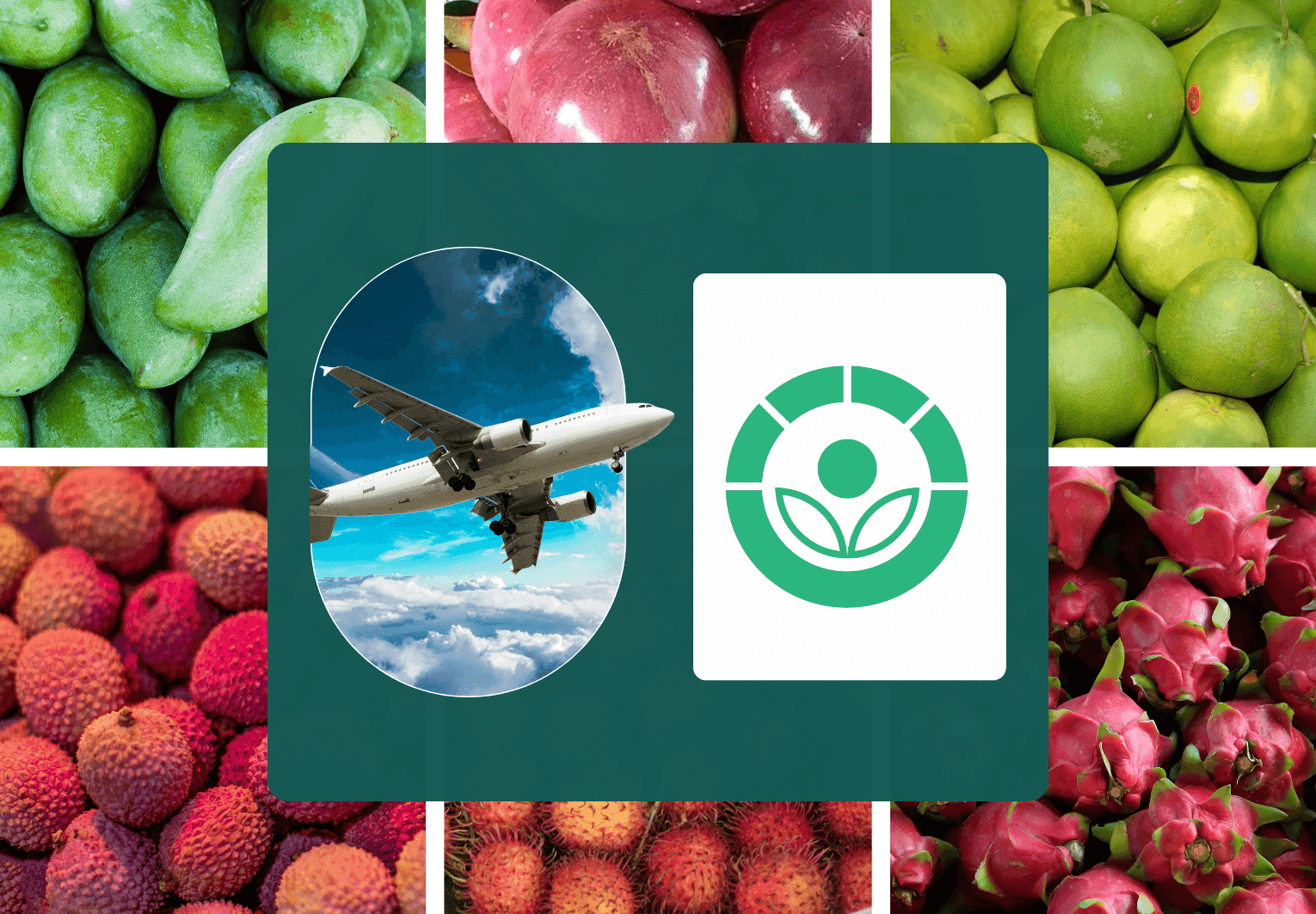
Irradiation – The “Technological passport” elevating Vietnamese agricultural products to the global stage
In the context of increasingly stringent global agricultural supply chains, three key factors determine international competitiveness: stable quality, biosafety, and extended shelf life. To meet these requirements, irradiation technology is emerging as a breakthrough solution. It not only eliminates microorganisms but is also regarded as a “technological passport” that enables Vietnamese agricultural products to enter the world’s most demanding markets on equal footing. Overview of Post-Harvest preservation solutions 1. Cold Storage : Chilling and freezing are the two main methods Chilling (0–4°C): Helps maintain the fresh appearance and sensory quality of vegetables, meat, and seafood in the short term. Freezing (-18°C to -20°C): Used for frozen meat, seafood, and produce, allowing storage for 6–12 months. Limitations: Does not eliminate microorganisms, relies on an uninterrupted cold chain, and carries a risk of spoilage if thawed improperly. 2. Thermal Sterilization: Uses high temperatures (>100°C) to eliminate bacteria, spores, and viruses. Commonly applied in sterilized milk, juices, and canned foods. Advantages: Enables long-term preservation without requiring a cold chain. Limitations: Alters product texture and flavor, reduces vitamin content, and requires heat-resistant packaging—resulting in higher costs. 3. Food Irradiation: Utilizes ionizing radiation (Gamma, E-Beam, X-ray) to destroy microorganisms, parasites, and insect eggs. Recognized as safe and effective by WHO, FAO, and FDA. Advantages: Retains nutritional value without leaving chemical residues Accepted by strict markets (U.S., Australia, New Zealand) Versatile for use with agricultural products, foods, pharmaceuticals, packaging, and medical supplies Why Do Businesses Choose Irradiation? In today’s global trade landscape, irradiation enables Vietnamese agricultural products to clear quarantine requirements in demanding markets like the U.S. (USDA), New Zealand (MPI), and Australia (BICON): ✨ Fast processing without the need for thawing ✨ Biological safety with no chemical use ✨ Environmentally friendly, reducing waste ✨ Versatile for different product types, weights, and packaging formats Irradiation Practices in Vietnam In Vietnam, the demand for irradiation services supporting agricultural and seafood exports continues to grow, particularly as demanding markets tighten their quarantine standards. In this context, Toan Phat Irradiation Plant (TPI) is currently one of the few facilities equipped with all three of the most advanced irradiation technologies available today: Gamma (Cobalt-60), E-Beam, and X-Ray. These technologies allow the plant to meet diverse treatment requirements for agricultural products, seafood, processed foods, and export goods subject to strict quarantine regulations. TPI is also recognized by quarantine authorities such as USDA (United States), MPI (New Zealand), and BICON (Australia) and complies with international quality management standards including HACCP, ISO 9001:2015, ISO 22000:2018, Halal, and EU Code. Meeting these standards simultaneously demonstrates not only technological advancement but also a strong commitment to management systems and traceability. Moreover, instead of developing services independently, TPI has established strategic partnerships with two Japanese companies: Kawanishi Warehouse , a company with more than 100 years of experience in warehouse management and MOL Logistics , which operates a global network of 138 offices. This collaboration has led to the creation of the Mekong Logistics Hub , an integrated logistics complex located at the gateway to the Mekong Delta. This model aims to provide a closed-loop service chain from irradiation treatment to cold storage, enabling businesses to reduce reliance on multiple intermediaries, optimize storage time, and minimize risks during the export process. As global markets increasingly demand consistency and transparency within supply chains, the development of integrated logistics hubs is seen as a strategic step toward enhancing the competitiveness of Vietnamese agricultural and seafood products. When each stage of the process is standardized and synchronized, irradiation becomes more than just a technical solution, it becomes a “passport” that allows products to meet quarantine requirements, shorten customs clearance times, and confidently enter the world’s most demanding markets. Contact us: Toan Phat Irradiation 📍 Block A24-1, Ngang 1 Street, Phu An Thanh Industrial Park, An Thanh, Ben Luc, Tay Ninh, Vietnam 🌐 www.toanphatgroup.com 📧 thongtin@tpirr.vn 📞 Hotline/Zalo (24/7): 093 100 0001