Green Logistics Elevates Vietnamese Agricultural Exports
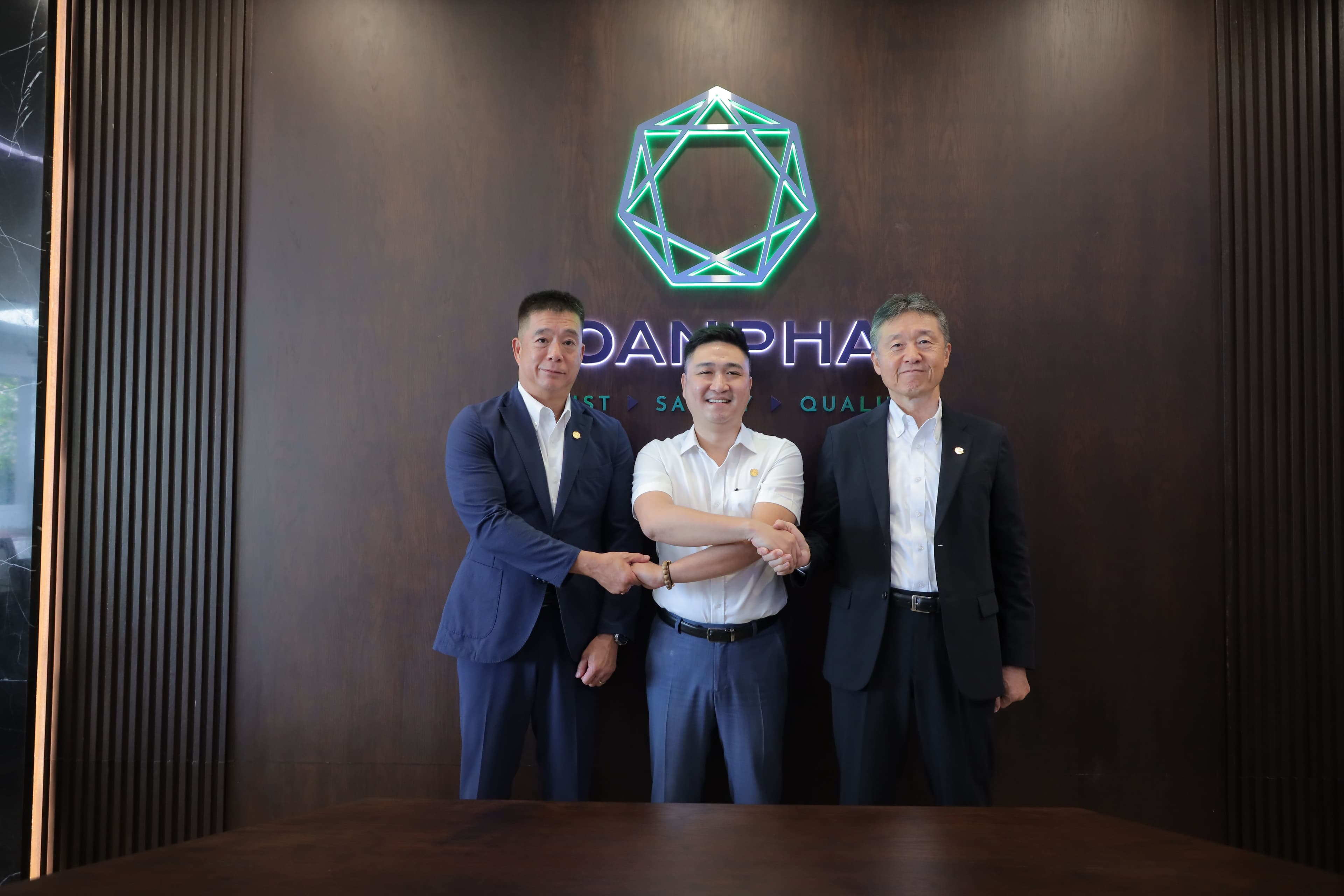
An integrated logistics chain comprising irradiation, cold storage, and transportation helps reduce carbon emissions and better preserve Vietnam’s agricultural and aquatic products for international markets.
Agriculture and aquaculture are among the pillars of Vietnam’s export landscape, contributing more than USD 50 billion annually and projected to reach USD 65 billion in 2025, according to the Ministry of Industry and Trade. However, building an international brand involves more than just production; it also depends on logistics capacity, particularly green logistics—an element that reduces carbon emissions while enhancing quality control of agricultural exports.
The Mekong Delta, Vietnam’s largest hub for rice, seafood, and fruit, currently accounts for about 30% of the southern region’s cold storage capacity and nearly 50% nationwide. It also hosts dozens of industrial zones, serving as a production-logistics center connecting Ho Chi Minh City and international seaports. Yet, the region’s cold logistics system remains fragmented, forcing exporters to bear high costs and significant risks.
According to experts from Can Tho University, cold logistics is not merely technical infrastructure but a strategic factor in boosting competitiveness. An incomplete logistics chain can increase costs by as much as 20–30% of product prices, reducing Vietnam’s agricultural competitiveness compared to Thailand, Malaysia, or China.
“Greening” Agricultural Logistics
Amid global efforts to reduce emissions, green logistics has become an inevitable trend. In the agricultural sector, minimizing transshipment stages not only cuts transport-related emissions but also directly strengthens quality control. Strict environmental standards from markets such as the US, EU, and Japan increasingly demand sustainable supply chains.
According to Mr. Vương Hiếu, Chairman and CEO of Toan Phat Irradiation Co., Ltd., the integrated model of “irradiation – cold storage – transportation” at a single location can eliminate multiple energy-intensive transshipment stages.
Previously, goods had to be gathered at a separate cold storage facility before irradiation, then returned for cold storage again prior to export. Now, the entire process is conducted in one place. “This effectively eliminates redundant transshipment steps, reduces carbon emissions, and moves toward green logistics,” Mr. Hiếu explained.
This integrated logistics model results from an alliance between Toan Phat and two Japanese corporations—Kawanishi Warehouse and MOL Logistics—forming the Mekong Logistics Hub in Tay Ninh (formerly Long An), at the southern gateway of Ho Chi Minh City. Kawanishi Warehouse, with over 100 years of experience building cold storage chains worldwide, brings international AEO-standard management expertise. Meanwhile, MOL Logistics, a subsidiary of Mitsui O.S.K. Lines with a network of 138 global offices, provides direct connections for Vietnamese agricultural exports to strategic ports such as Cai Mep and Hai Phong. The alliance between a Vietnamese enterprise and two leading Japanese logistics groups will maximize the utilization of Toan Phat’s 11,000-ton cold storage facility, serving about 500 domestic exporters of agricultural and aquatic products, particularly in the Mekong Delta.
The involvement of Japanese partners also requires the local logistics chain to be “greened.” As such, irradiation plants, cold storage, and transport chains must be designed based on sustainable development standards: using renewable energy, treating and recycling wastewater, and ensuring green operational spaces. This approach enhances Vietnam’s export competitiveness, as many import markets increasingly consider green criteria as a core benchmark for evaluating goods.
For the agricultural and aquaculture sectors, the greatest export risk lies in microbiological safety and preservation. A single seafood shipment exceeding microbiological thresholds could cause a business to lose an entire market.
The integrated logistics model helps address this challenge. “For example, seafood bound for the US requires strict microbiological control. If treated but then transshipped to another facility, the risk of recontamination is high. With an on-site closed system, businesses can minimize this risk while saving time and costs,” Mr. Hiếu noted. This ensures Vietnamese agricultural exports meet international standards while elevating their reputation among importers.
As Vietnam pursues its target of USD 65 billion in agricultural, forestry, and fishery exports in 2025, the Mekong Logistics Hub is expected to shorten export routes, lower costs, and enhance competitiveness. In the long term, the model aims to become a critical cold-chain transshipment hub in ASEAN, positioning Vietnam’s agricultural exports on the global map.
“The logistics alliance will serve as a competitive advantage, helping to elevate Vietnam’s entire logistics infrastructure,” remarked Mr. Osamu Sakurada, Chairman and CEO of MOL Logistics.
Source: VTV.vn