The food loss management challenge
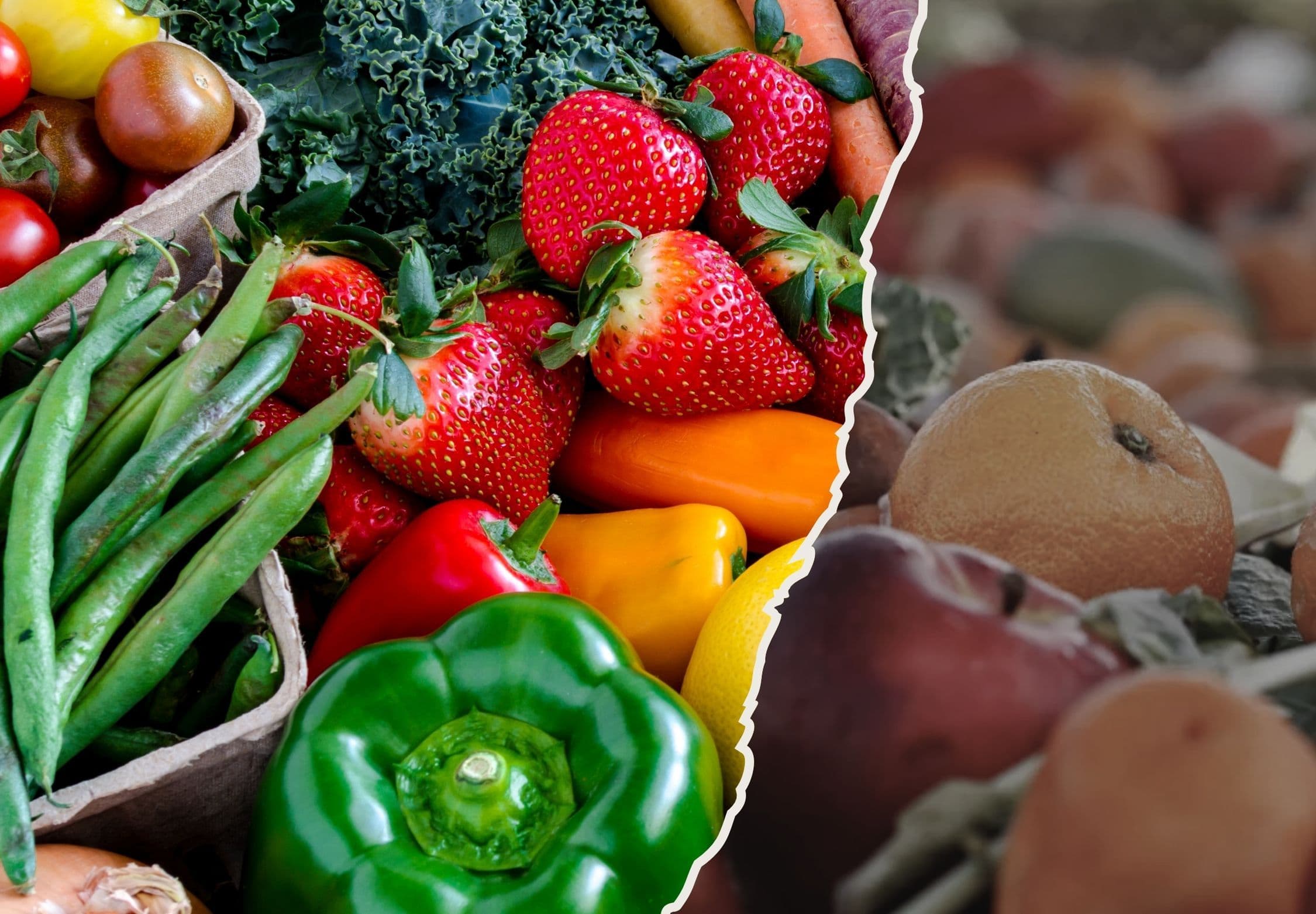
Food loss: A burden that extends far beyond the farm
According to the Food and Agriculture Organization (FAO), more than 13% of global food output is lost along the supply chain before reaching retail shelves. In Vietnam, the Ministry of Agriculture and Environment estimates post-harvest losses at 3.5–4.1 billion USD every year, equivalent to 12% of agricultural GDP. These losses are not only economic, they contribute significantly to greenhouse gas emissions, aggravating climate change and intensifying extreme weather events.
The bulk of food loss occurs during handling, storage, and transportation—stages heavily dependent on cold-chain infrastructure. Weaknesses in this system directly reduce farmers’ income and diminish the competitiveness of Vietnam’s agricultural exports.
The primary causes stem from: the lack of a standardized, fully integrated cold-chain infrastructure, temperature-uncontrolled transportation, and fragmented post-harvest handling. From the production area to storage facilities, from processing plants to markets and distribution points, goods must pass through multiple stages and just one weak link in this entire supply chain can spoil an entire shipment. Beyond economic losses, food loss also undermines the competitiveness of Vietnamese products in high-value export markets, which impose stringent requirements on traceability, hygiene and safety, and overall product quality.
The root cause: Gaps in the cold-chain system
If the food supply chain is seen as an “energy transmission line,” the cold chain is the conduit that preserves quality and value from farm to table. However, this conduit still contains many “leak points”:
- Uneven distribution of cold storage: Facilities are concentrated in major industrial zones, while key agricultural production areas still lack standardized preservation infrastructure.
- High cold-chain logistics costs: Operating refrigerated trucks, electricity, and equipment investments remain a heavy burden for small businesses.
- Manual management: Many facilities rely on experience rather than automated temperature monitoring and early warning systems.
- Fragmented process linkage: Limited integration across production, inspection, cold storage, transportation, and export within a single coordinated system.
These factors combined make agri-seafood products highly perishable, lower in value, and at risk of rejection by importing countries.
Managing food loss through integrated supply chains
To address this issue, developing comprehensive integrated supply chains—where multiple logistics solutions are combined under one provider—has become a sustainable approach. Rather than simply storing goods, these providers act as “value transit stations,” helping businesses:
- Reduce post-harvest loss: Products are cooled immediately after harvest, maintaining stable temperatures from reception to distribution.
- Extend product shelf life: Proper preservation techniques help fruits, vegetables, seafood, and meats stay fresh longer while retaining quality.
- Meet strict import standards: via irradiation, microbiological control, and certified cold storage—vital for markets such as the U.S., EU, Australia, and New Zealand.
- Optimize costs: Integrating services such as irradiation, transport, and customs within one provider reduces multiple transfers and saves operating expenses.
This model is currently being implemented by Toan Phat Logistics (TPL) at the gateway of the Mekong Delta, with the vision of establishing the Mekong Logistics Hub—a closed-loop preservation network that enhances the value of Vietnamese agri-seafood products.
Enhancing product value through food loss management
Imported items such as beef and salmon, alongside exported products including shrimp, squid, pangasius, marine fish, and fresh produce, require tightly managed preservation conditions—especially when destined for premium markets.
Storing goods in internationally certified cold storage (ISO 9001, ISO 22000, HACCP, HALAL) significantly reduces spoilage rates and improves export success. Many import-export enterprises are already seeing clear benefits after shifting to multi-service cold storage providers:
- Lower losses during storage
- Unified quality control
- Higher export values thanks to better freshness and traceability
Toan Phat Refrigerated Warehouse – Partnering for sustainable value
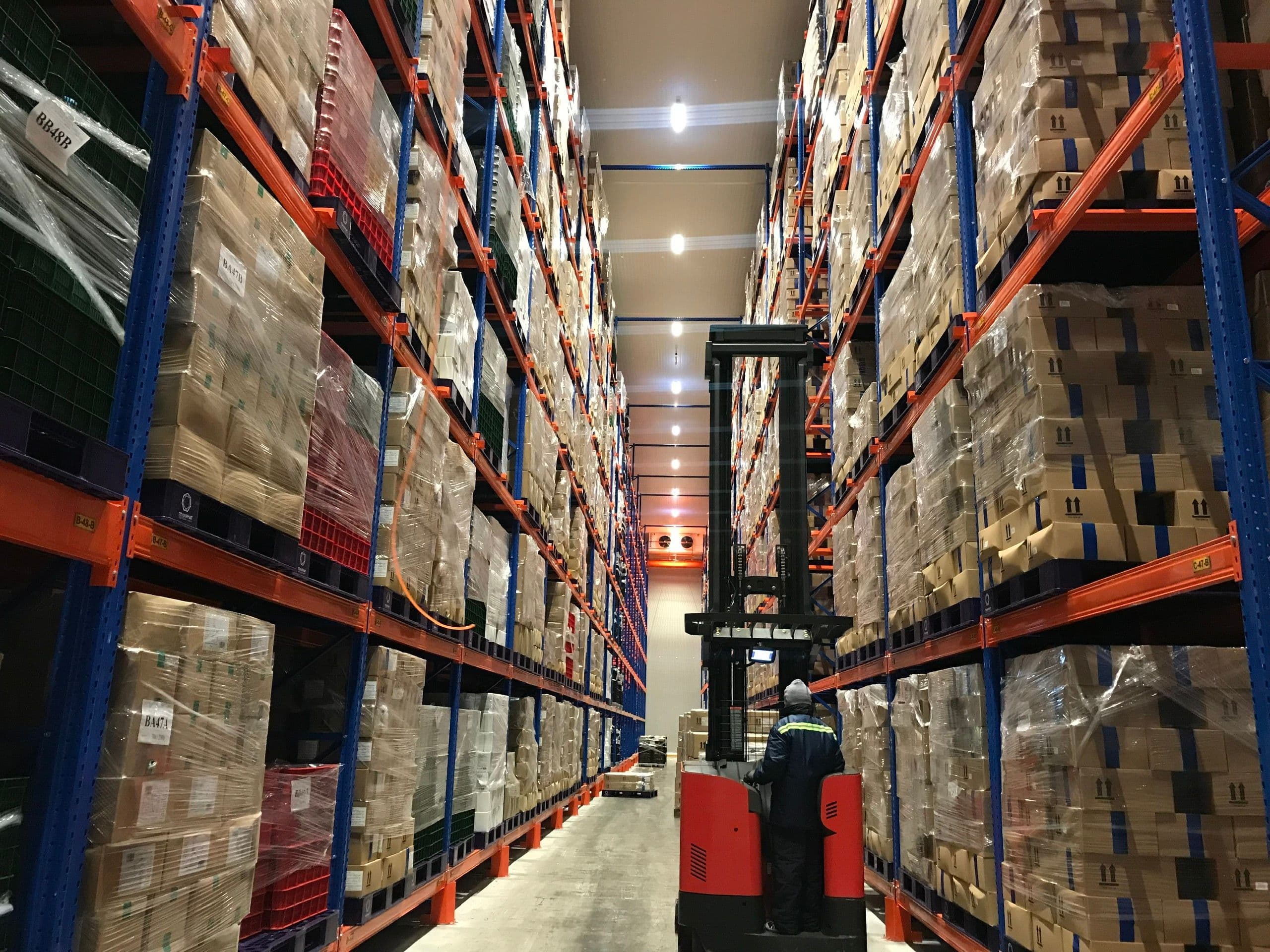
With the mission “Reduce Loss – Increase Value – Foster Sustainability,” Toan Phat Refrigerated Warehouse (TPL) provides an internationally certified cold storage system that serves both importers and exporters of agri-seafood products.
TPL goes beyond preservation—it partners with clients across the entire post-harvest management process, from goods reception, quality inspection, and irradiation to transport and customs support.
Thanks to this integrated approach, products such as beef, salmon, squid, shrimp, snail, pangasius, vegetables, and fruits retain their full flavor and freshness throughout their journey from farm to table.
Toan Phat Refrigerated Warehouse understands that managing food loss is not merely about “reducing waste” but about investing in a sustainable future. It represents not only an economic necessity but also a commitment to food security and sustainable development.
In a global marketplace where quality, safety, and traceability define competitiveness, choosing a multi-service cold storage provider is essential for Vietnamese agri-exporters to compete and succeed.
Discover the multi-service cold storage system of Toan Phat Logistics (TPL) a comprehensive solution partner supporting Vietnamese enterprises in maintaining product quality and expanding global competitiveness.
Toan Phat Refrigerated Warehouse
- Hotline/Zalo (24/7): 093 100 0001
- Fanpage: facebook.com/kholanhtoanphat
- Website: www.kholanhtoanphat.vn
- Address: Block A24-2, Ngang 1 Street, Phu An Thanh Industrial Park, An Thanh, Ben Luc, Tay Ninh, Vietnam.