Blog
28 Mar 2026
Blog
Answers to frequently asked questions about food irradiation
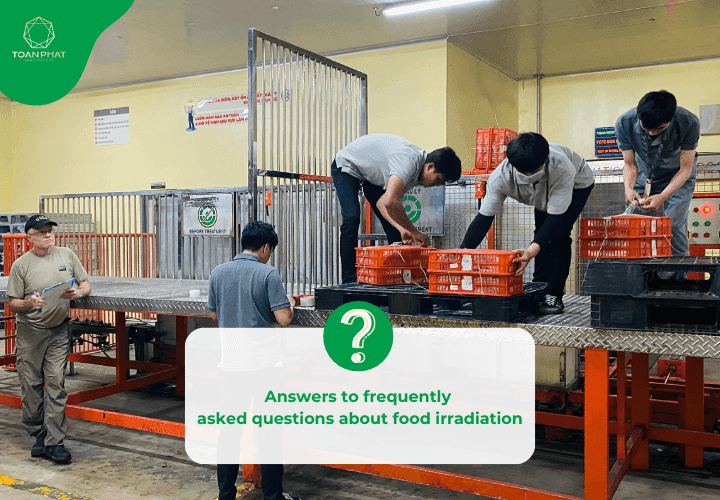
What is food irradiation, the safety level of irradiated food and how to know if the food has been irradiated are questions that many people still wonder about. This article will answer these questions to provide more information to consumers, as well as food production and export businesses that are learning about this technology. What is food irradiation? Food irradiation is a food quarantine method using ionizing radiation (Gamma rays, Electron beams, X-rays) to destroy or neutralize harmful bacteria, microorganisms, parasites, and insects in food, helping to prolong shelf life and ensure food hygiene and safety. What are the benefits of food irradiation? With outstanding benefits, many countries have applied food irradiation technology to ensure product quality, protect consumer health and biosecurity in international trade. - Preventing foodborne diseases: food irradiation is effective in eliminating foodborne pathogens, such as Salmonella and Escherichia coli (E. coli). - Preserving food longer: destroying or inactivating spoilage organisms, helping to extend the shelf life of food. - Controlling insects: controlling insects and pests on fresh fruits when imported into markets such as the United States, Australia, New Zealand, etc. - Slowing down the germination and ripening process: irradiation also has the ability to inhibit germination in tubers such as potatoes, beans, etc. and slow down the ripening process of fruits. Is irradiated food safe? The U.S. Food and Drug Administration (FDA) has evaluated the safety of food irradiation for more than 30 years and has concluded that the method is safe. The World Health Organization (WHO), the Centers for Disease Control and Prevention (CDC), the U.S. Department of Agriculture (USDA), the Food and Agriculture Organization of the United Nations (FAO), the International Atomic Energy Agency (IAEA), and many other reputable organizations also recognize the safety of food irradiation. APHIS Quarantine Officer (USDA) conducts quarantine of fresh fruit before irradiation treatment at Toan Phat Irradiation Plant (TPI) Does food become radioactive or lose nutrients after irradiation? Irradiation does not make food radioactive, does not affect its nutritional quality, and does not significantly change the taste, texture or appearance of food. In fact, the changes caused by irradiation are so slight that it is difficult to tell whether a food has been irradiated or not. What foods are irradiated? Since 1963, the FDA has approved the irradiation of wheat and flour to kill pests. To date, irradiation has been used on fruits, vegetables, spices, beef, pork, poultry, seafood, spices and flavorings, etc. How to identify irradiated food? Irradiated foods must bear the international Radura symbol and the words “Treated by Irradiation” on the packaging. If the irradiated food is used in other processed products, such as sausages, the ingredients will also state that the meat has been irradiated. Irradiated foods should be stored, handled and cooked in the same way as non-irradiated foods because they can still be contaminated with pathogens after irradiation if basic food safety rules are not followed. Irradiated foods will be labeled with the Radura symbol (circular, green) along with the words "Treated by Irradiation" How widely has food irradiation been developed? With the benefits it brings to consumers and promotes international trade, to date, more than 60 countries in the world have authorized the use of irradiation for various types of food. Currently, the IAEA and the FAO are aiming to strengthen the national capacity of member countries to apply irradiation to enhance food safety and improve food quality. These two organizations are also working closely with the International Plant Protection Convention (IPPC) and the Codex Alimentarius Commission to harmonize irradiation standards worldwide. References: https://www.fsis.usda.gov/food-safety/safe-food-handling-and-preparation/food-safety-basics/irradiation-and-food-safety-faq https://www.fda.gov/food/buy-store-serve-safe-food/food-irradiation-what-you-need-know https://www.iaea.org/topics/food-irradiation Toan Phat Irradiation Factory Hotline (24/7): (+84) 93 100 0001 Fanpage: https://www.facebook.com/chieuxatoanphat Website: www.chieuxatoanphat.vn Address: Lot A24-1, Ngang 1 Street, Phu An Thanh Industrial Park, An Thanh, Ben Luc, Long An.
28 Mar 2026
Blog
Choose the optimal and flexible cold storage rental service to increase competitiveness for Vietnamese agricultural and aquatic product exporting enterprises.
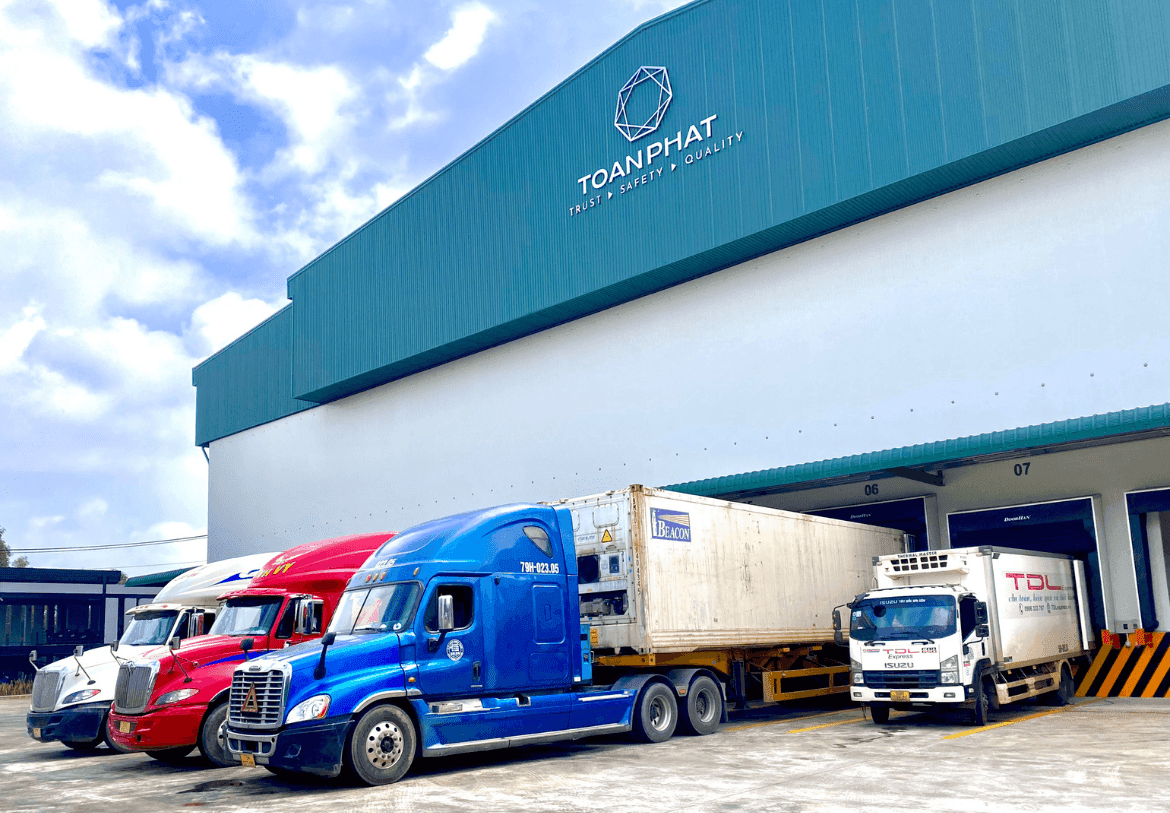
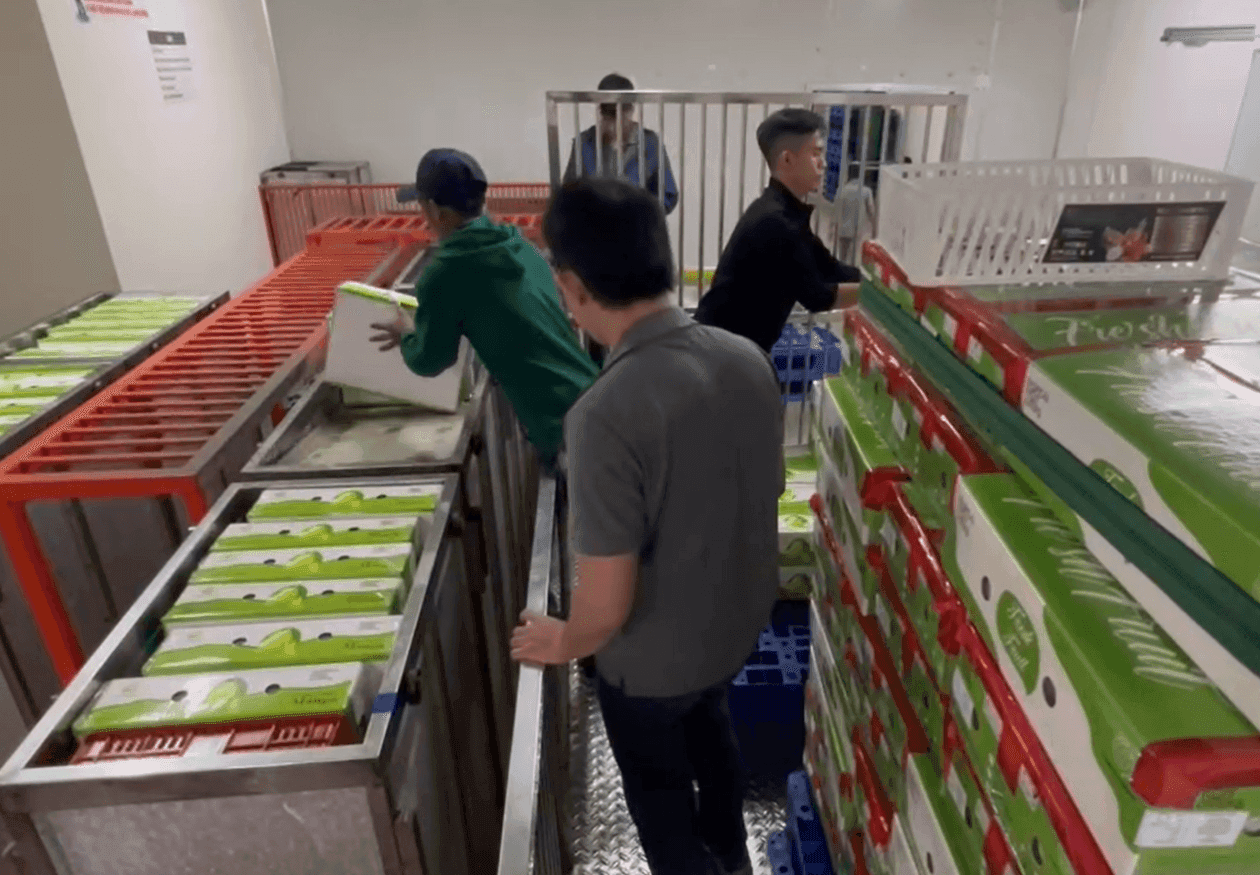
Logistics costs are considered a major problem for the Vietnamese agricultural and aquatic product export industry. To increase value and competitiveness in the international market, this "bottleneck" needs to be resolved soon. In particular, the issue of cold supply chain is also worth paying attention to, and if choosing an optimal and flexible cold storage service, it will help businesses solve many problems and save a lot of costs. With great potential and increasing export of agricultural and aquatic products, it has created favorable conditions for economic development and growth for Vietnamese enterprises. However, the issue of logistics is considered an important bottleneck of the industry and needs to be resolved soon to create better conditions for enterprises. In particular, solving the problem of cold chain supply services is a very necessary condition, especially if choosing an optimal and flexible cold storage service will increase the competitiveness of Vietnamese agricultural and aquatic product import and export enterprises in the international market. Enterprises producing, distributing and exporting agricultural and aquatic products are very hesitant to invest in warehouses because it will be very expensive as well as not having enough management staff and needing highly specialized personnel who understand goods preservation and temperature control to be able to operate the warehouse in the best way. In addition to the location of the warehouse, the size of the storage warehouse will greatly determine the investment cost, transportation cost and business problems of the enterprise. In addition, not all enterprises have enough resources to invest in a cold storage that meets the standards for storage and preservation. Toan Phat Refrigerated Warehouse (Ben Luc - Long An) with storage capacity of 12,000 tons For some small-scale agricultural and aquatic enterprises, investing in cold storage is not really necessary. However, if goods are not stored properly in cold storage, it will lead to loss of quantity, reduce the value of goods and limit the export potential of these products. For the above reasons, many enterprises have chosen to rent industrial cold storage to store and preserve agricultural and aquatic products, so finding a reputable and quality cold storage rental service provider is what many enterprises are looking for today. With many strengths in location, storage capacity of up to 12,000 tons, modern cold storage technology and operation techniques, and optimal and flexible cold storage rental services, Toan Phat Refrigerated Warehouse (Ben Luc - Long An) brings many favorable conditions and increases competitiveness for Vietnamese agricultural and aquatic product exporting enterprises: Preserving the best quality of agricultural and aquatic products: With a variety of storage types: cool storage (2°C - 18°C), frozen storage (-20°C (+/-2°C)), quick-freeze storage (-30°C) ..., Toan Phat Refrigerated Warehouse stores customers' goods and products at suitable temperatures, ensuring good quality and maintaining freshness. This is especially important for exported agricultural and aquatic products because the products always have high quality requirements and require a long time to preserve, transport to import markets, store and distribute to consumers. Minimize product loss: When using professional cold storage services, customers can minimize product loss and loss thanks to closed storage space, storage environment that meets good standards for temperature and humidity, avoiding the situation of insects, bacteria ... causing harm and reducing the quality of agricultural and aquatic products. Standard cold storage helps preserve the best quality of agricultural and aquatic products and avoid product loss. Maximum response to demand and market expansion: Storing goods in cold storage also helps businesses control output, especially increasing inventory output to respond as quickly as possible when market demand increases. That is a great advantage and creates competitiveness for businesses, while also being able to expand to other potential markets with high-quality goods and meeting output well when needed. Ensure compliance with food storage safety regulations: When storing agricultural and aquatic products, businesses must comply with food safety and export regulations. Toan Phat Refrigerated Warehouse has been certified by the Department of Cultivation, Plant Protection and Agricultural and Aquatic Product Quality Management as a qualified food safety facility, ensuring that customers' products are stored in qualified warehouses, complying with all necessary standards and regulations on food safety to serve import and export activities most smoothly. Flexibility in goods management: In addition to effectively preserving goods, cold storage services also help businesses be flexible in the management and quick import and export of goods to serve the export process. Maximum savings on transportation costs: Transporting products from the place of production to the storage warehouse and to the place of export is an important part of the supply chain. The location of the warehouse near import and export ports and business establishments will save a lot of costs, reduce transportation time, thereby increasing the competitiveness of businesses in the international market. Particularly for Toan Phat Refrigerated Warehouse (Ben Luc - Long An), in addition to being located near the system of seaports and airports, the warehouse is also located right next to Toan Phat Irradiation Plant, creating an effective supply chain and best serving agricultural and aquatic product import and export businesses. Storage price at Toan Phat Refrigerated Warehouse is only 14,500 VND (ton), applied to cold storage at temperature (-20°C (+/-2°C)) Thus, choosing a high-quality warehouse rental service provider means helping businesses save maximum costs, increase business efficiency and increase competitiveness with competitors when exporting goods abroad. In addition to cold storage, in the cold supply chain, customers also need to pay attention to Cold Transport. In the process of transporting goods to cold storage, assembly locations, to ports to carry out export procedures, customers need to choose a cold transport service provider that is qualified to meet the quality requirements, cold transport vehicles need to have many different temperature ranges, many smart compartments to combine cold goods, cool goods, fresh goods... to ensure the best product quality and improve business efficiency of the enterprise. Customers who need to learn more and consult about the storage service of Toan Phat Refrigerated Warehouse , please contact: Hotline: 093 100 0001 Fanpage: https://www.facebook.com/kholanhtoanphat/ Address: Lot A24-2, Ngang 1 Street, Phu An Thanh Industrial Park, An Thanh, Ben Luc, Long An
28 Mar 2026
Blog
Field visit at Toan Phat Irradiation Plant: Highlights of the Regional Practical Workshop on Electron Beam Technology Applications
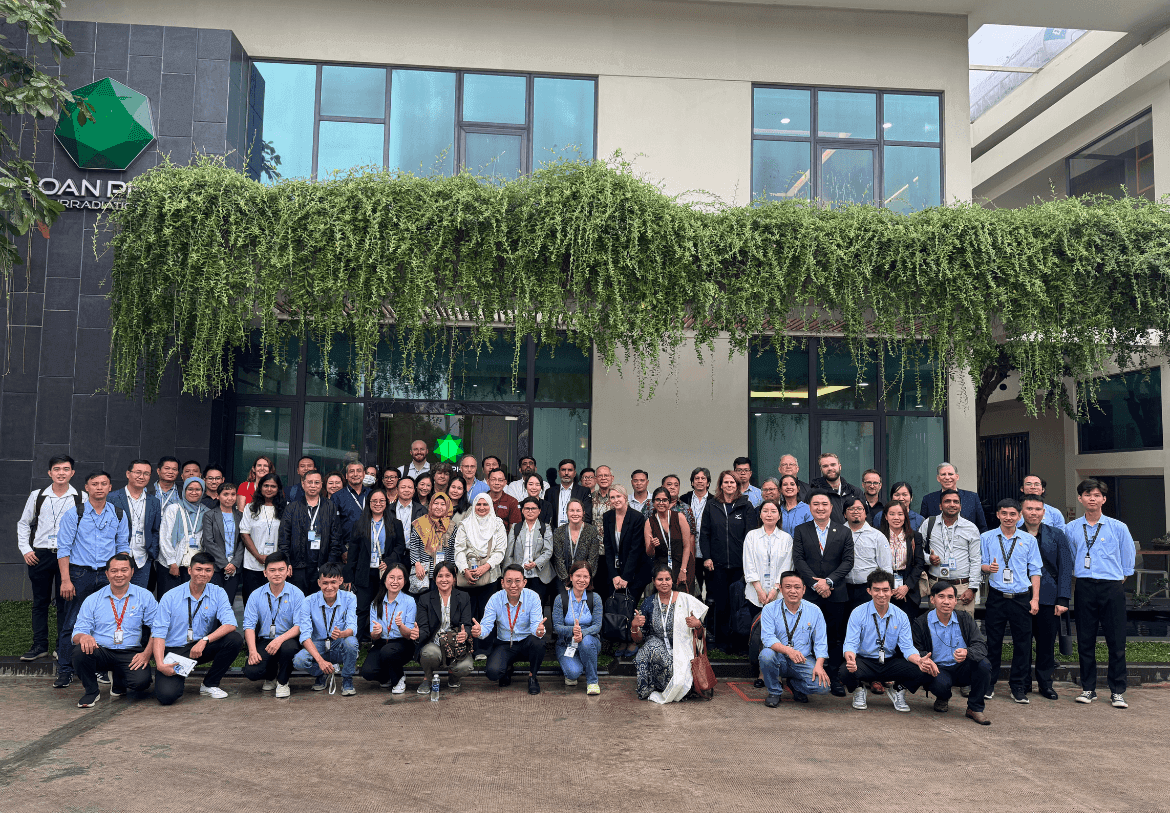
On December 4, 2024, the field trip to Toan Phat Irradiation Plant within the framework of the "Regional Practical Workshop on the Application of Electron Beam Technology" was successfully held. The event played an important role in promoting international cooperation on atomic energy and expanding the application of irradiation technology in Vietnam and the Asia-Pacific region. Regional Workshop - A driving force for cooperation and innovation The workshop was organized by the Vietnam Atomic Energy Institute (VINATOM) in collaboration with the RCA Regional Office (RCARO), the Office of Radiation Security (ORS) and the National Nuclear Security Administration (NNSA) of the US Department of Energy (DOE), taking place from December 2-6, 2024. The program is part of an international cooperation project lasting from 2024 to 2028, aiming to develop applications of electron beam technology in areas such as food, agriculture, industry, human health and environmental treatment. Delegation of more than 80 people visited the Toan Phat Irradiation Plant The workshop brought together more than 80 delegates, including experts from 22 RCA member countries, representatives of VINATOM and researchers in the field of industrial irradiation. This is an important forum for experts to share experiences, exchange knowledge and seek solutions to optimally exploit the potential of electron beam technology in the region. Toan Phat Irradiation Factory – Highlight of the event Toan Phat Irradiation Plant is one of the pioneers in Vietnam in the field of irradiation technology application. Currently, Toan Phat Irradiation is operating in parallel an irradiation system using a Cobalt-60 source and an electron beam accelerator (E-Beam), capable of converting X-rays. This system not only meets the needs of processing fresh and frozen agricultural and aquatic products for export, but is also widely applied in fields such as medicine, industry, cosmetics and handicrafts. Mr. Vuong Hieu, CEO of Toan Phat Irradiation, shared: "It is a great honor for us to be selected as a field trip destination in this regional conference. Toan Phat is committed to continuing to promote international cooperation, applying advanced irradiation technology to meet practical needs, increase the value of export products and contribute to the sustainable economic development of Vietnam." Mr. Vuong Hieu - CEO of Toan Phat Irradiation, shared at the Seminar & Field Visit Long-term international cooperation project The international cooperation project "Supporting the application of electron beam technology and interdisciplinary applications" will last for 5 years (2024-2028) and was launched on December 12, 2023. This is an initiative jointly implemented by RCARO, ORS and DOE/NNSA, with the sponsorship of the International Atomic Energy Agency (IAEA). With the participation of 22 RCA member countries, the project aims to: - Application of electron beam accelerators (EB): for processing food, agricultural products, sterilizing medical equipment and treating environmental pollution. - Building sustainable EB infrastructure: supporting the development and maintenance of these technology applications. - Improving living conditions and protecting the environment: improving public health in the Asia-Pacific region. Regional Practical Workshop on Electron Beam Technology Applications from December 2-6, 2024 Driving force for sustainable development The visit to Toan Phat Irradiation Plant was not only an opportunity to introduce Vietnam's modern technological achievements, but also demonstrated the great potential in applying irradiation technology to production and life. This event laid the foundation for innovative solutions and sustainable development in the future. With close coordination between international organizations and Vietnam, the workshop not only affirmed Vietnam's role in the international cooperation network on atomic energy, but also opened up new prospects, contributing to economic development, environmental protection and improving the quality of life of the region. Through this event, electron beam technology has been proven to be a powerful scientific tool, as well as a bridge to promote international cooperation, towards a sustainable and prosperous future. Toan Phat Irradiation Factory Hotline (24/7): (+84) 93 100 0001 Fanpage: https://www.facebook.com/chieuxatoanphat Website: www.chieuxatoanphat.vn Address: Lot A24-1, Ngang 1 Street, Phu An Thanh Industrial Park, An Thanh, Ben Luc, Long An.
28 Mar 2026
Blog
Toan Phat Irradiation Factory: A new step forward in applying irradiation technology to Vietnamese agricultural products
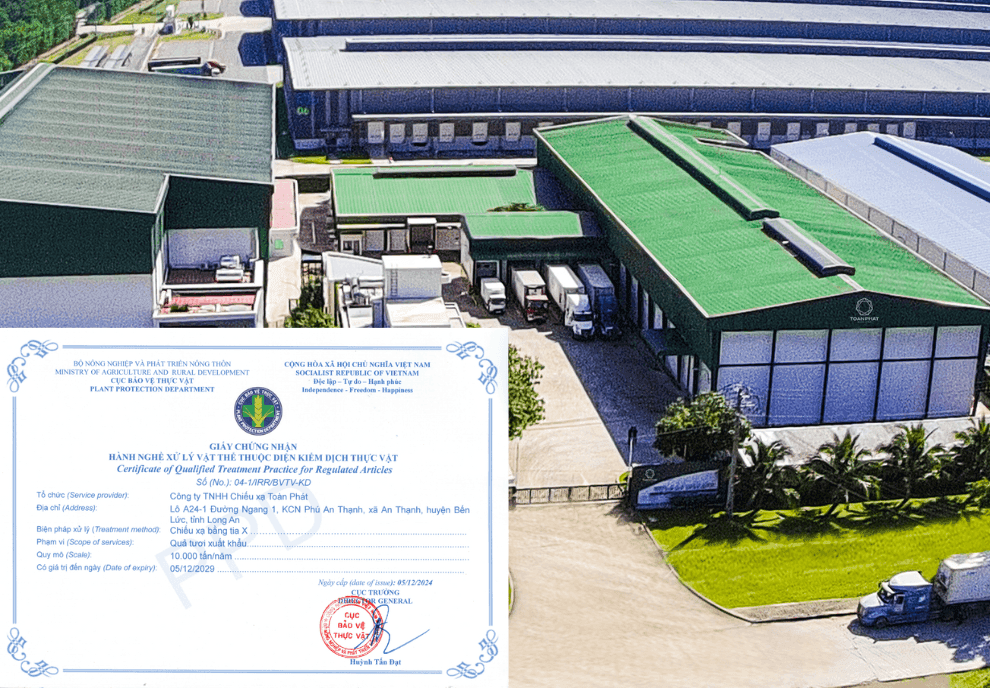
On December 5, 2024, Toan Phat Irradiation Plant (Toan Phat Irradiation Company Limited) was granted a certificate of plant quarantine treatment using X-ray irradiation technology by the Plant Protection Department, Ministry of Agriculture and Rural Development. With this certificate, TPI marked an important milestone, a prerequisite for being evaluated by APHIS (USDA) and becoming a pioneer in Vietnam to simultaneously apply two irradiation technologies, Cobalt-60 and X-ray, in the treatment of fresh fruit for export. Applying advanced technology to improve Vietnamese agricultural products Not simply a technological upgrade, the application of X-rays with Cobalt-60 helps TPI optimize the processing process and ensure the quality of agricultural products. X-ray technology, with the ability to effectively destroy microorganisms and parasites, combined with Cobalt-60 technology - outstanding for its deep penetrating processing ability - creates outstanding flexibility in meeting the quarantine requirements of many types of goods. This combination helps TPI excellently meet the strict standards of demanding markets such as the US, Australia, New Zealand, etc. In particular, TPI does not only stop at ensuring the safety and quality of exported fresh fruits but also expands its application capabilities to many other fields such as frozen seafood, medical equipment and industrial products. Thanks to its multi-technology application strategy, TPI has created a strong foundation, making Vietnamese agricultural products not only safer but also more competitive on the global export map, contributing to affirming Vietnam's position in the international agricultural supply chain. Toan Phat Irradiation Factory has been granted a certificate of plant quarantine treatment using X-ray irradiation technology by the Plant Protection Department, Ministry of Agriculture and Rural Development. Responsibility and sustainable vision TPI's biggest difference is not only focusing on technology but also placing social responsibility and sustainable development at the heart of all activities. With an optimally designed and tightly managed system, TPI ensures safety for both users and the surrounding environment. Becoming a strategic partner of international quarantine agencies such as APHIS (USA), BICON (Australia), MPI (New Zealand)..., further affirms the ability to demonstrate the enterprise's capacity and affirms the reputation of Vietnamese agricultural products in the world market. Positioning the future By synchronously applying advanced irradiation systems such as Cobalt-60, E-Beam, and X-Ray, TPI not only contributes to promoting the development of the domestic irradiation industry but also lays the foundation for the sustainable development of Vietnamese agricultural products. The plan to put the X-ray irradiation system into operation in 2025 is a clear demonstration of this long-term strategy. Irradiation treatment system at Toan Phat Irradiation Plant This is not only a strategic step but also a strong message about TPI's companionship in the journey to bring Vietnamese agricultural products further on the international map, especially in markets with strict quarantine requirements such as the United States. TPI - where innovation and social responsibility meet, contributing to writing the success story of Vietnamese agricultural products. Toan Phat Irradiation Factory Hotline: 093 100 0001 Fanpage: www.facebook.com/chieuxatoanphat Website: http://www.chieuxatoanphat.vn/ Address: Lot A24-1, Ngang 1 Street, Phu An Thanh Industrial Park, An Thanh, Ben Luc, Long An
28 Mar 2026
Blog
Impact of ionizing radiation during irradiation of fruits, vegetables and foods
Food Irradiation (application of Ionizing radiation for food treatment) is a technology that can enhance the safety and extend the shelf life of various foods by reducing, eliminating, or deactivating microorganisms and insects present in the products. In the United States, the Food and Drug Administration (FDA) is responsible for regulating radiation sources used for food irradiation. The FDA only approves radiation sources for use on food after determining that food irradiation with those sources is safe. The FDA, along with other organizations such as the World Health Organization (WHO), the Food and Agriculture Organization of the United Nations (FAO), and the International Atomic Energy Agency (IAEA), has recognized Gamma rays, Electron beams, and X-rays as safe irradiation methods. However, adherence to irradiation dose regulations for each product and ensuring the procedures during irradiation are required. Gamma Irradiation (Cobalt-60) According to Saeedeh Zarbakhsh, Ph.D. at Shiraz University and Somayeh Rastegar, Associate Professor at Hormozgan University (2019), gamma irradiation (using Cobalt-60) is a safe way to treat food because it has a high penetration ability and can kill harmful microorganisms even through thick materials. Furthermore, a large body of research has shown that gamma irradiation can effectively reduce pests, insects, and microbiological load in a variety of fruits and vegetables without compromising their nutritional value or sensory qualities. Additionally, studies have shown that irradiation can inhibit sprouting (e.g., potatoes, garlic) and delay the ripening process of fruits to extend their shelf life. For instance, a 2007 study by Zaman et al. reported that Gamma irradiation treatment on bananas extended their shelf life by 20 days and delayed the ripening process. Vanamala et al. (2007) also found that gamma irradiation was good for grapefruit. They found that low-dose irradiation could keep or increase the flavonoid content in the fruit pulp without hurting its quality. Toan Phat Irradiation processes fresh fruits using Cobalt-60 Gamma Irradiation Electron Beam Irradiation (E-Beam) Electron Beam (E-Beam) irradiation uses a stream of high-energy electrons from an electron accelerator to treat food. E-Beam irradiation equipment does not rely on radioactive sources; instead, it uses high-charge electron streams generated by specialized devices such as linear electron accelerators. The food does not come into contact with radioactive substances, and irradiation maintains food quality while enhancing safety without leaving residual radioactivity. E-Beam irradiation equipment features dual-sided beams, making the irradiation process three times faster than using Gamma irradiation equipment because all areas of the product can be irradiated in one cycle. However, E-Beam irradiation equipment has size limitations, so for larger and heavier products, Gamma irradiation equipment must be used. The Electron Beam (E-Beam) Irradiation Processing System at Toan Phat Irradiation X-Ray Irradiation (Bremsstrahlung) X-rays can be used as a more efficient method for food preservation and deactivating contaminating microorganisms because they can penetrate thick materials (about 30–40 cm) without producing radioactive waste. Moreover, research has claimed that X-ray irradiation can be safely applied at doses up to 10kGy to reduce the number of pathogenic and spoilage microorganisms (Bhawna Bisht, Faculty of Food Science & Technology, Graphic Era University, et al., 2021). Research by Jeong (Seoul National University) also demonstrated the effects of X-rays on lettuce to deactivate E. coli bacteria (2010). Today, X-ray, Gamma ray, and Electron beam irradiation technologies are applied to control common pathogenic bacteria in food such as E. coli, Salmonella, Coliforms, and Listeria in seafood, livestock, and poultry. Thus, food irradiation is a method for phytosanitary treatment of various fresh fruits and vegetables and can kill or inhibit dangerous pathogenic microorganisms in food. Depending on each type of agricultural or aquatic product and the level of microorganisms present, different irradiation doses are used to achieve the desired effect without affecting their physicochemical and nutritional parameters. Before the advent of Gamma ray, Electron beam, and X-ray irradiation methods, preventing food spoilage, such as seafood, fruits, and vegetables, was done through traditional methods, including canning, refrigeration, freezing, and chemical preservation, but with lower effectiveness, affecting the export potential of producers. Vietnam has joined the IAEA's 40 countries that receive support from the organization's technical cooperation program since the 1990s for the purpose of equipping irradiation devices and training staff and experts in the field. With research showing the safety and effectiveness of using irradiation to improve food quality, extend shelf life, and enhance economic value, in Vietnam Toan Phat Irradiation has been licensed by the Department of Radiation and Nuclear Safety (Ministry of Science and Technology of Vietnam). It is also implementing a fresh fruit irradiation program for export to the U.S., New Zealand, and Australia after becoming an official partner of the Ministries of Agriculture of both countries. References: Direct Science, IAEA Toan Phat Irradiation Hotline/Zalo (24/7): 093 100 0001 Fanpage: www.facebook.com/chieuxatoanphat Website: www.chieuxatoanphat.vn Address: Block A24-1, Ngang 1 Street, Phu An Thanh Industrial Park, An Thanh Commune, Ben Luc District, Long An Province.
28 Mar 2026
Blog
What is food irradiation? Benefits of food irradiation technology?
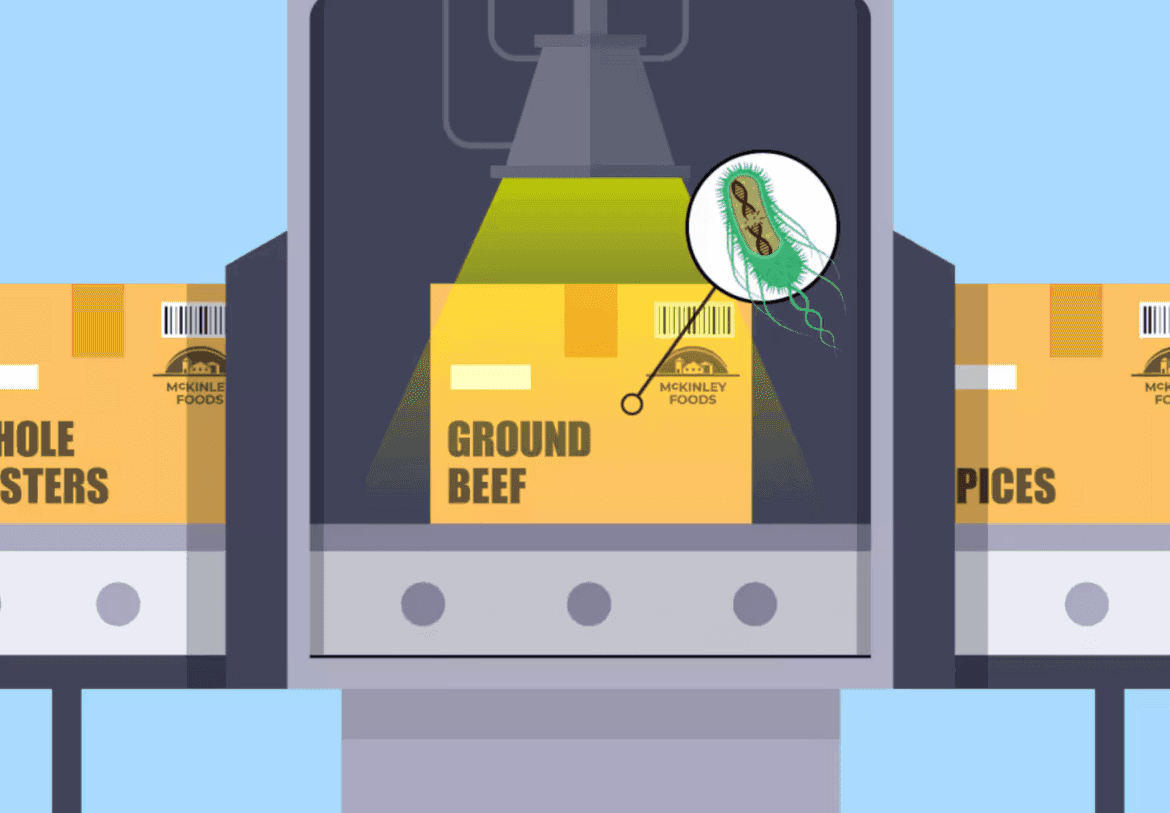
Food irradiation is an innovative technology that improves food quality and safety. Learn about the benefits of irradiation and why it is becoming increasingly popular in the food industry. What is food irradiation? Food irradiation is a food quarantine method using ionizing radiation (Gamma rays, Electron beams, X-rays) to destroy or neutralize harmful bacteria, microorganisms, parasites, and insects in food, helping to prolong shelf life and ensure food hygiene and safety. Benefits of food irradiation? Irradiation does not make food radioactive, but only affects the DNA of harmful organisms, preventing their ability to reproduce or killing them completely. Therefore, the process does not reduce nutritional quality or significantly change the taste, texture or appearance of the food. Performing irradiation treatment of agricultural products with Cobalt-60 source using Gamma rays In fact, any changes caused by irradiation are so small that it is not easy to tell whether a food has been irradiated or not. Instead, it is recognized by the Radura symbol affixed to the irradiated product. Below are the benefits of food irradiation technology. - Extend shelf life Food irradiation helps kill bacteria, molds, and insects, helping food maintain its quality longer than traditional preservation methods. This method also has the ability to slow down the germination and ripening process in fruits and vegetables. This helps extend the storage time, not only reducing food waste but also helping products to be transported to further export markets and avoiding damage. - Disinfects and reduces the risk of food poisoning Irradiation technology is an effective method in destroying pathogens that cause food poisoning such as Salmonella, E. coli and Listeria... Therefore, irradiation technology has contributed to improving food safety and protecting the health of consumers. - Boost export capacity By applying irradiation technology, food can be preserved for a long time and meet international food safety standards. At the same time, it is possible to control and neutralize insects on fruits when exporting to other countries, helping to ensure biosecurity according to import regulations of other countries. This is a great benefit in trade activities, helping to expand export opportunities and access international markets. APHIS Quarantine Officer (USDA) performs fresh fruit quarantine and irradiation treatment procedures at Toan Phat Irradiation Plant Not only applied in the food industry, irradiation technology is also applied in other industries such as pharmaceuticals, handicrafts, cosmetics, packaging production... This flexibility helps irradiation technology become a versatile method in product preservation and processing and is used more widely. Is irradiated food safe? The FDA has been evaluating the safety of irradiated food for more than 30 years and has confirmed that this technology is safe. The World Health Organization (WHO), the Centers for Disease Control and Prevention (CDC), the United States Department of Agriculture (USDA), the International Atomic Energy Agency (IAEA), the National Aeronautics and Space Administration (NASA) and other international organizations have also recognized the safety of irradiated food. Thus, the article has shared more clearly about "What is food irradiation", as well as the benefits of food irradiation technology. Food irradiation is increasingly becoming a superior solution for the food industry. The application of irradiation technology not only helps ensure food safety but also contributes to sustainable development and expands export opportunities. Customers need more detailed advice on food irradiation services, please contact Toan Phat Irradiation Factory via Hotline (24/7) 093 100 0001. References: https://www.fda.gov/food/buy-store-serve-safe-food/food-irradiation-what-you-need-know Toan Phat Irradiation Factory Hotline (24/7): 093 100 0001 Fanpage: https://www.facebook.com/chieuxatoanphat Website: www.chieuxatoanphat.vn Address: Lot A24-1, Ngang 1 Road, Phu An Thanh Industrial Park, An Thanh, Ben Luc, Long An.
28 Mar 2026
Blog
Toan Phat Refrigerated Warehouse achieved ISO 22000:2018 certification - Affirming quality reputation in food storage and preservation
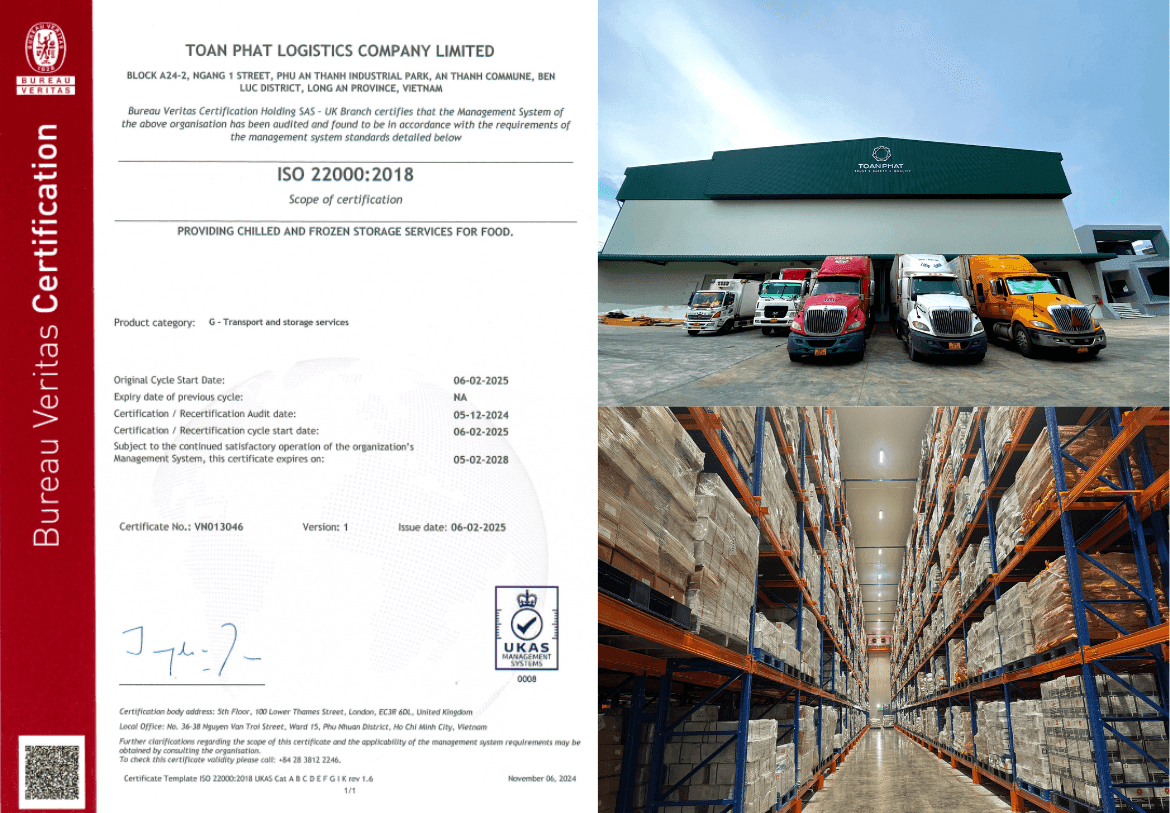
In the food preservation and storage industry, food quality and safety are two of the most important factors. Compliance with international standards not only helps businesses enhance their reputation but also ensures that products are always of optimal quality. Toan Phat Refrigerated Warehouse has been officially certified by Bureau Veritas to meet the ISO 22000:2018 food safety management system standard. Thereby, affirming TOANPHAT Group's commitment to providing high-quality cold storage services to customers. What is ISO 22000:2018? ISO 22000:2018 is an international standard for food safety management systems, established by the International Organization for Standardization (ISO). This standard combines the principles of Hazard Analysis and Critical Control Point System - HACCP (Hazard Analysis and Critical Control Points) and integrates elements of ISO 9001 (Quality Management System) to ensure a comprehensive process for controlling food safety risks, while continuously improving the management process to ensure the highest quality products throughout the entire supply chain. The key requirements of ISO 22000:2018 include: - Identify and control food safety hazards throughout the entire supply chain. - Implement rigorous monitoring and auditing procedures. - Continuously improve the food safety management system. - Ensure compliance with relevant legal and regulatory requirements. The standard applies to all organizations in the food supply chain, from production, processing, transportation to storage, preservation and distribution. Affirming the service quality of Toan Phat Refrigerated Warehouse Toan Phat Refrigerated Warehouse is a reputable unit in the field of food storage in cool conditions (0°C - 5°C) and frozen conditions (-20°C (± 2°C)). With the continuous development of the food market, ensuring food safety is not only a mandatory requirement but also a competitive advantage of the enterprise. During the process of construction and development, Toan Phat Refrigerated Warehouse strives to improve service quality and meet the high requirements of customers. ISO 22000:2018 certification is an affirmation of the service quality foundation of Toan Phat Refrigerated Warehouse. - Enhance customer reputation and trust: This certification is a clear demonstration of the service quality of Toan Phat Refrigerated Warehouse, helping customers feel secure when using food storage services. - Better quality control: ISO 22000:2018 requires businesses to apply strict control measures from the process of receiving goods, preserving to exporting goods, helping to minimize the risk of food safety. - Increase competitiveness in the market: Compliance with ISO 22000:2018 helps Toan Phat Refrigerated Warehouse affirm its position in the cold storage industry, gaining the trust of large customers and partners with strict requirements on the process of storing and preserving agricultural and aquatic products. - Meet legal requirements: Toan Phat Refrigerated Warehouse always complies with the provisions of the law on food safety, minimizing risks in the process of storing goods and adding peace of mind to customers. - Continuously improve operating processes: The ISO 22000:2018 management system requires businesses to always update and optimize processes. Toan Phat Refrigerated Warehouse aims to meet these criteria during operations to improve operational efficiency. Assessment and certification process Toan Phat Refrigerated Warehouse's ISO 22000:2018 certification is granted by Bureau Veritas - the world's leading organization in assessing and certifying quality management systems. To achieve this certification, Toan Phat Refrigerated Warehouse has undergone a rigorous assessment process including: - Document and operational process review: Bureau Veritas has reviewed the entire management system of Toan Phat Refrigerated Warehouse, ensuring that it fully meets the requirements of ISO 22000:2018. - Actual assessment at the cold storage: Experts directly inspected the preservation system, warehouse hygiene, temperature conditions and food safety control methods. - Data testing and analysis: Data on service quality, process compliance and operational performance are all carefully reviewed. - Improvements as recommended: Based on the assessment results, Toan Phat Refrigerated Warehouse has made the necessary adjustments to ensure compliance with international standards. After completing the inspection process, Toan Phat Refrigerated Warehouse was officially granted ISO 22000:2018 certification by Bureau Veritas, valid until February 5, 2028. Bureau Veritas has assessed and certified that Toan Phat Refrigerated Warehouse meets the ISO 22000:2018 standard for food storage services under chilled and frozen conditions. Toan Phat Refrigerated Warehouse's Future Commitment Achieving ISO 22000:2018 certification is the first step, Toan Phat Refrigerated Warehouse is committed to continuing to maintain and improve the food safety management system, in order to bring the best service to customers. Some directions in the coming time include: - Strengthening staff training: Employees will be improved in skills and knowledge about food safety storage to ensure compliance with strict procedures. - Continuing to invest in technology: Upgrading and applying modern monitoring systems to control temperature, humidity and storage quality. - Maintaining periodic inspection and improvement: Continuously reviewing and adjusting the system to ensure meeting the increasingly high requirements of the market. - Cooperating with strategic partners: Connecting with businesses in the food supply chain to enhance service value. Achieving ISO 22000:2018 certification is an affirmation of the quality reputation of Toan Phat Refrigerated Warehouse. This is not only a testament to the quality of service but also the commitment of the enterprise to ensuring food safety for customers. With continuous improvement, Toan Phat Refrigerated Warehouse will continue to grow strongly, providing optimal storage solutions for the food industry and cold supply chain in Vietnam. For more information about cold storage services, please contact: Toan Phat Refrigerated Warehouse Hotline/Zalo (24/7): 093 100 0001 Fanpage: www.facebook.com/kholanhtoanphat Website: www.kholanhtoanphat.vn Address: Lot A24-2, Ngang 1 Street, Phu An Thanh Industrial Park, An Thanh, Ben Luc, Long An
28 Mar 2026
Blog
Two Japanese corporations invest in logistics, removing bottlenecks for Vietnamese agricultural exports
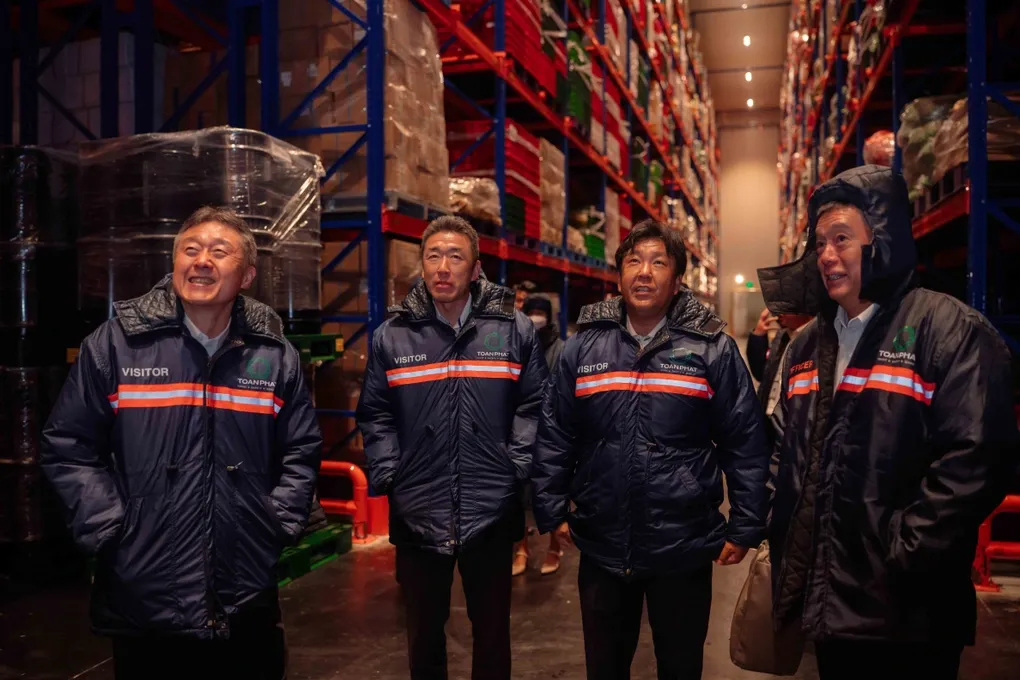
Japan–Vietnam Alliance establishes Mekong Logistics Hub in Tay Ninh, aiming to become ASEAN’s cold chain transshipment center and put Vietnamese agricultural products on the global export map. A strategic alliance between Toan Phat Irradiation Co., Ltd. (TPI), Kawanishi Warehouse Group, and MOL Logistics (a member of Mitsui O.S.K. Lines) has officially been established, laying the foundation for the Mekong Logistics Hub – an integrated cold logistics center aimed at upgrading the entire supply chain of Vietnam’s agricultural and aquatic products. The official signing ceremony for this alliance took place in Ho Chi Minh City on the evening of September 18, just days after the Tay Ninh Investment Promotion Conference 2025, where logistics was identified as a key sector and the future development site for the Mekong Logistics Hub. Japanese business delegates visit the cold storage system of Toan Phat (Photo: Huong Giang) From Irradiation to Integrated Logistics Mr. Vuong Hieu – Chairman and General Director of Toan Phat Irradiation Co., Ltd. – stated that Toan Phat is one of the very few companies in Vietnam licensed to operate an irradiation plant for fruits, agricultural products, and food. This advantage helps the company shorten the path to meeting the stringent standards of demanding markets such as the U.S., Australia, and New Zealand. According to Mr. Vuong Hieu, the collaboration with Japanese partners will create a closed-loop ecosystem covering treatment, packaging, cold storage, container booking, shipping lines, and both origin and destination ports worldwide. “This will significantly reduce export businesses’ time, transportation costs, storage expenses, and booking procedures,” Mr. Hieu shared on the sidelines of the event. “In addition, thanks to the global scale of these Japanese corporations, Vietnamese goods will receive priority in shipping schedules and loading/unloading at strategic ports under their partnerships. As a result, businesses will no longer face shortages of empty containers or skyrocketing freight rates as in previous years,” he added. Kawanishi Warehouse – a century-old Japanese logistics company – brings expertise in cold storage operations and dual Authorized Economic Operator (AEO) certification experience in Japan. Mr. Jiro Kawanishi – Chairman and General Director of Kawanishi Warehouse – shared that over its 100+ year journey, the company has established offices at key gateways in the global trade network such as Hong Kong, Thailand, Singapore, San Francisco, and Jakarta. The company has also been involved in cold storage business since 1931. “Our cooperation with Toan Phat is entirely aligned with our development orientation and core strengths. It will strengthen the connectivity between Vietnamese goods and the global market, expanding the Mekong Logistics Hub alliance to the world,” said Mr. Jiro Kawanishi. Workers operating inside the Toan Phat irradiation plant in Tay Ninh Unlocking Bottlenecks in Agricultural Exports Meanwhile, Mr. Osamu Sakurada, Chairman and General Director of MOL Logistics, stated that MOL Logistics – a member of Mitsui O.S.K. Lines – currently operates 138 offices in 26 countries. MOL will connect Toan Phat’s system with its global transport network, leveraging port assets co-invested by the group such as TCIT (Cai Mep) and HICT (Hai Phong). “Integrating Vietnam’s irradiation and cold storage systems into the global cold chain infrastructure will upgrade the entire logistics foundation, delivering peace of mind and optimal service quality to both domestic and international clients.” According to the Ministry of Industry and Trade, the Mekong Delta currently accounts for about 50% of Vietnam’s cold storage capacity. However, the cold logistics system remains fragmented, leading to high logistics costs and reduced competitiveness of agricultural exports. As Vietnam sets its sights on reaching 65 billion USD in agro-forestry-aquatic export turnover by 2025, the Mekong Logistics Hub is expected to untangle long-standing bottlenecks in the sector. The integration of irradiation, cold storage, and global transport will shorten export lead times, reduce post-harvest losses, meet strict standards, and elevate the brand of Vietnamese goods on the world map. ASEAN’s Cold Chain Transshipment Center Mr. Vuong Hieu shared that the goal of this partnership is to establish the Mekong Logistics Hub as a key cold chain transshipment center for ASEAN. This M&A deal not only brings Japanese capital into Vietnam but also facilitates technology transfer, international standards, and access to global logistics networks. Amid growing urgency for cold logistics development, the Mekong Logistics Hub alliance is expected to serve as a strategic catalyst, propelling Vietnam’s agricultural and aquatic exports further into deep integration with global supply chains. Recently, the Ho Chi Minh City Department of Industry and Trade also held a conference to listen to businesses and experts on solutions to reduce logistics costs, which currently account for up to 17% of production costs in HCMC — a major burden for businesses and the competitiveness of Vietnamese goods. Source: Dan tri
28 Mar 2026
Blog
International studies on irradiation in food preservation and safety
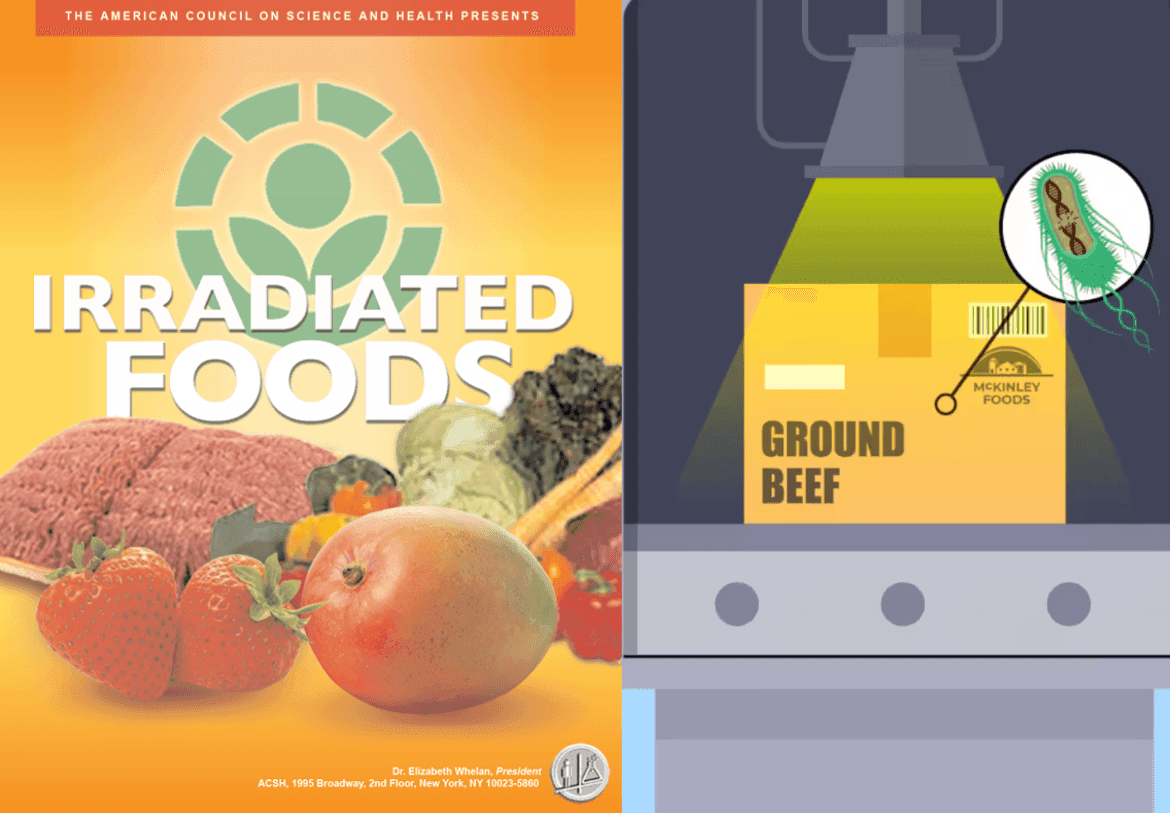
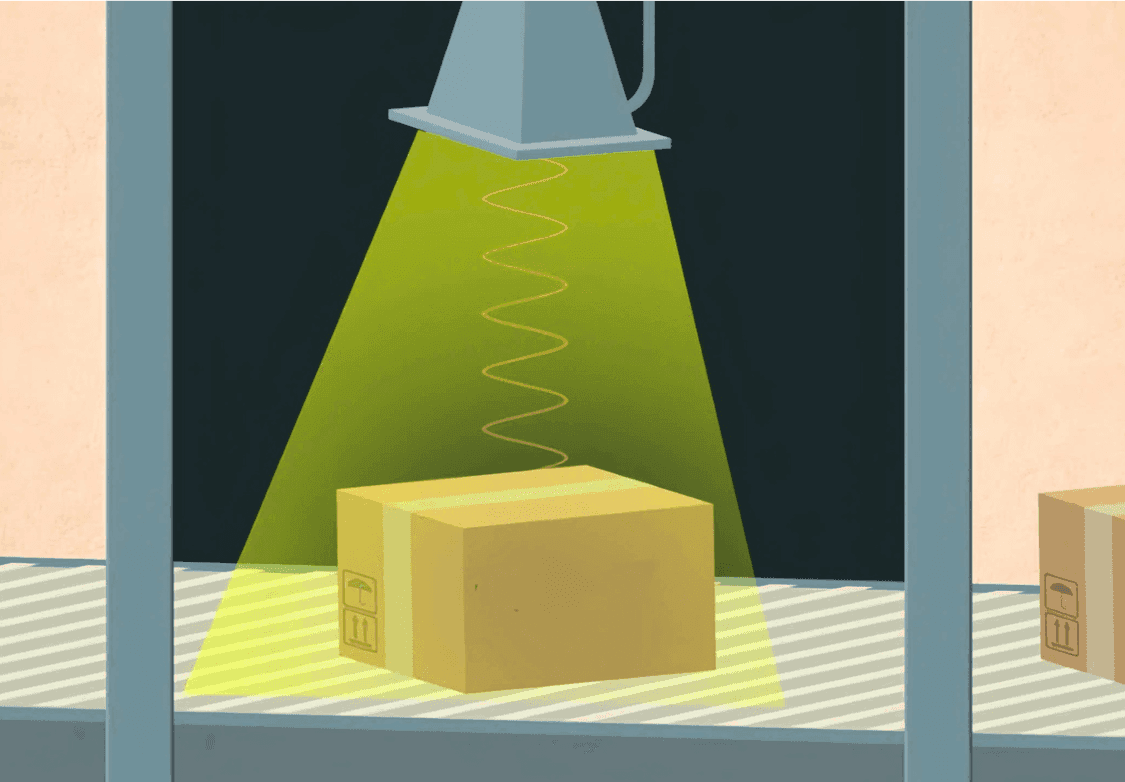
Food irradiation technology is a technique that uses ionizing radiation to destroy harmful microorganisms, prolong the preservation time and ensure food safety. This process uses three main radiation sources: gamma rays (Cobalt-60 source), electron beam accelerator (E-Beam) and X-rays. History of irradiation technology development Food irradiation technology has been studied since the 1900s when scientists realized the ability to kill bacteria with radiation. During the 20th century, this technology became an important method in the food industry, especially in developed countries. Many studies and tests have been conducted to evaluate the safety and effectiveness of irradiation. Benefits of food irradiation technology After many years of research and development of domestic and international standards, with many benefits, more than 60 countries in the world have regulations allowing the use of irradiation for many different types of food. Destroy harmful microorganisms: Food irradiation helps eliminate dangerous microorganisms such as Salmonella, Listeria and E. coli, ... thereby reducing the risk of food poisoning and protecting the health of consumers. Extend the storage time: Irradiation helps minimize food spoilage, especially during long-term transportation and storage, helping to improve quality and avoid food waste. Maintain the sensory and nutritional quality: Many studies have shown that irradiation does not change the taste, color or nutritional value of food, helping to ensure the naturalness and quality of the product. Safe and no radioactive residue: Food irradiation uses ionizing radiation sources and ensures that food is free of radioactive residue after processing, helping consumers feel secure when using it. Although irradiation technology brings many benefits, widespread implementation still faces many barriers. High investment costs, insufficient awareness of consumers and complex legal regulations make this technology not widely applied in many countries. For food irradiation to become a standard solution in the food industry, long-term strategies are still needed to overcome limitations, increase efficiency and benefits. Food is placed in an irradiation chamber, where radiation damages the bacteria's DNA, rendering them inactive. This process makes food safer and protects consumers' health (Image: cdc.gov) Applications and prospects of irradiation technology Not only supporting the food industry in ensuring food safety, irradiation also has the potential to combine with modern preservation technologies to optimize efficiency. 1. Widely used in the food industry Irradiation technology has been applied in the quarantine of fruits, preservation of vegetables, meat, seafood and other agricultural products. This is an effective solution to ensure safety and prolong the shelf life of food. 2. Combined with other preservation technologies Irradiation can be combined with modern preservation methods such as freezing or modified atmosphere packaging (MAP) to optimize the effectiveness of food preservation. 3. Expanding export markets Many countries require imported food to be irradiated to ensure compliance with international food safety standards. Thereby, opening up great opportunities for food exporting businesses globally. Assessments from international organizations More than 30 international organizations have published studies and confirmed that food irradiation is completely safe. - The US Food and Drug Administration (FDA) has approved irradiation technology as a safe and effective process in food preservation. - The World Health Organization (WHO) and the International Atomic Energy Agency (IAEA) have conducted many studies on the effects of irradiation on food, confirming that this technology is not harmful to human health. - The US Department of Agriculture (USDA) and the US Environmental Protection Agency (EPA) have also confirmed the safety and effectiveness of the irradiation method. - The National Aeronautics and Space Administration (NASA) uses food irradiation to preserve food for astronauts on long-term space missions. Irradiation treatment system using electron beam accelerator (E-Beam) at Toan Phat Irradiation Plant Summary of studies on the safety and efficacy of radiation therapy Below is a summary of some studies by reputable organizations on food irradiation technology. These reports provide detailed insights into the safety standards, benefits and applications of irradiation in the food industry. 1. "Food Irradiation: A Technique for Preserving and Improving the Safety of Food" – World Health Organization (WHO), 1988. The report emphasizes that irradiation is an effective method in preserving and ensuring food safety. In particular, the impact of gamma rays using Cobalt-60 source in irradiation treatment is highly appreciated in destroying microorganisms. Link: WHO, 1988 2. "Safety and Nutritional Adequacy of Irradiated Food" – World Health Organization (WHO), 1994. Comprehensive assessment of the safety and nutritional value of irradiated foods, confirmed that gamma irradiation using Cobalt-60 source is not harmful to human health. Link: WHO, 1994 3. "High-Dose Irradiation: Wholesomeness of Food Irradiated with Doses above 10 kGy" – Food and Agriculture Organization of the United Nations (FAO), World Health Organization (WHO), International Atomic Energy Agency (IAEA), 1999. Safety testing of food irradiated with high doses (>10 kGy), including gamma rays using Cobalt-60 source. It was concluded that the irradiation method is safe for consumers and does not produce harmful radioactive residues. Link: WHO, 1999 4. "Radiation Technology for Food Preservation" – Radiation Physics and Chemistry Megazine, 2002. Presents applications of radiation technology in food preservation, emphasizing the effectiveness of gamma rays using Cobalt-60 source in destroying harmful microorganisms, as well as the economic and food safety effects of food irradiation technology. Link: Radiation Physics and Chemistry, 2002 5. "Irradiation of Food: An FDA Consumer Update" – US Food and Drug Administration (FDA), 2010. The FDA affirms that food irradiation is a safe technique that reduces the risk of food poisoning and extends shelf life. Link: FDA, 2010 6. "Scientific Opinion on the Chemical Safety of Irradiation of Food" – European Food Safety Authority (EFSA), 2011. The report examines the chemical safety aspects of food irradiation technology. It confirms that the irradiation method is safe for human consumption and ensures that no dangerous chemical reactions are produced. Link: EFSA, 2011 7. "Safety of Irradiated Food" – Centre for Food Safety, Hong Kong, 2014. The report assessed the safety of irradiated foods, including the use of Cobalt-60 sources, and concluded that the method is not harmful to human health. Link: CFS, Hồng Kông, 2014 8. "Meat Irradiation: A Comprehensive Review of Its Impact on Food Quality and Safety" – Foods Megazine, 2023. Overview of the effects of meat irradiation with gamma rays using Cobalt-60 source, on food quality and safety. Confirmation of the effectiveness of irradiation method in destroying harmful microorganisms without affecting sensory quality and nutritional value. Link: Foods, 2023 9. National standard TCVN 12076:2017 Detailed regulations on the process of using ionizing radiation in food processing, ensuring safety and leaving no radioactive residue. Link: TCVN 12076:2017 Thus, through many studies and publications by prestigious international organizations, it shows that food irradiation technology is an advanced, safe and effective solution in preserving and ensuring food quality. Although there are still some challenges in application, with recognition from many international organizations, irradiation is increasingly widely applied and promises to bring many benefits to the global food industry in the future. Toan Phat Irradiation Plant Hotline: 093 100 0001 Fanpage: www.facebook.com/chieuxatoanphat Website: http://www.chieuxatoanphat.vn/ Address: Lot A24-1, Ngang 1 Street, Phu An Thanh Industrial Park, An Thanh, Ben Luc, Long An.
28 Mar 2026
Blog
Food Irradiation: Sustainable Preservation and Efficiency Solution
Food irradiation is a food processing technology highly appreciated by the world's leading medical and scientific organizations. This advanced solution has been recommended by the World Health Organization (WHO) since 1988. The report "Food Irradiation: A Technique for Preserving and Improving the Safety of Food" emphasizes that this is an effective method in destroying harmful microorganisms, reducing the risk of food poisoning and extending the shelf life of food. In this article, let's learn in detail about the operating principles, benefits, practical applications as well as safety and legal issues of food irradiation technology with Toan Phat Irradiation Factory (TPI). How food irradiation works Food irradiation is the process of using energy from gamma rays, X-rays or electron beams to destroy harmful bacteria, molds and insects through the mechanism of affecting the DNA of microorganisms, damaging their genetic material, making them unable to reproduce or completely destroyed. According to the 2024 study of the Oak Ridge Institute for Science and Education (ORISE), food irradiation is a safe and effective method, capable of neutralizing common bacteria transmitted through food such as: Campylobacter, Salmonella, Escherichia coli (E. coli), Listeria monocytogenes . These are the main agents causing serious food poisoning in many countries. Also according to the study, food irradiation technology has been developed globally for decades as a safe and effective method to extend shelf life and slow down the decomposition process during storage. For fruits and vegetables, irradiation can inhibit metabolic processes associated with germination or over-ripening by disrupting natural enzyme activity. According to the 1999 FAO/IAEA/WHO report and World Health Organization (WHO) publications, this process does not irradiate food, does not significantly heat food when used in appropriate doses, and has virtually no effect on chemical structure or nutritional value. Irradiation technologies - Cobalt-60 irradiation using Gamma beam: Gamma irradiation method uses radiation produced by the decay of the radioactive isotope Cobalt-60. This isotope emits high-energy photons (1.17MeV and 1.33MeV), which can penetrate food to a depth of several tens of centimeters, so it is especially suitable for processing high-density products. Gamma irradiation is applied to sterilize and effectively process many different types of products such as: medical equipment, pharmaceuticals, cosmetics, food and household appliances... - E-Beam irradiation using Electron beam: E-Beam irradiation technology uses ionizing radiation as high-energy Electrons. Electrons are generated by Electron Gun, accelerated by high-frequency waves through the high-frequency wave energy resonance structure amplified from the power source. Electrons have a negative charge, small mass and high energy, so they easily interact with atoms and molecules in food through primary and secondary effects and cause very fast reactions on molecules or microorganisms. - Bremsstrahlung irradiation (X-ray) using X-rays: X-ray irradiation technology is a method developed based on electron beam irradiation technology. Electrons are generated in devices with energy levels of 5 MeV and 7.5 MeV. Electrons interact with the Tantalum plate to create Bremsstrahlung X-rays (bremsstrahlung radiation). Benefits of food irradiation Here are some of the benefits of food irradiation: - Eliminate pathogenic microorganisms Irradiation technology kills dangerous microorganisms such as Salmonella, E. coli and Listeria – agents that often cause serious food poisoning. This benefit is especially important for products that are susceptible to contamination such as meat, seafood and fresh fruits and vegetables. - Extend shelf life Irradiation slows down the spoilage of food by inhibiting the growth of bacteria and mold. This allows fruits and vegetables to stay fresh longer, while meat and seafood can be stored for longer periods without the use of chemical preservatives. - Support food export Many countries require imported products to be irradiated to eliminate pathogenic bacteria and harmful insects, to protect consumer health as well as ecological security. Irradiation technology helps food meet international food safety and hygiene standards, thereby facilitating trade and expanding export markets. Safety and International Certifications - Safety of Irradiated Food Numerous scientific studies have shown that food does not become radioactive after irradiation. This process does not significantly change the nutritional composition and does not create toxic substances. - Certification organizations The World Health Organization (WHO), the Food and Agriculture Organization of the United Nations (FAO), the International Atomic Energy Agency (IAEA) and many other prestigious organizations have recognized the safety of this technology. Many countries have issued regulations allowing the use of irradiation in food preservation. Regulatory Regulations - United States: The Food and Drug Administration (FDA) has approved irradiation for many foods such as meat, poultry, seafood and fruits. - European Union: Allows irradiation of certain products and requires clear labeling. - Vietnam: The Ministry of Health has issued standards on irradiation dose limits for each type of food. Thus, food irradiation is an advanced technology that helps improve food safety, prolong storage time, reduce food waste and promote trade activities. Therefore, the potential of this method in the food industry is huge. With the appreciation of international organizations and the development of science, food irradiation can become an important technology in ensuring a safe and sustainable food supply for the future. References: Food Irradiation: A Technique for Preserving and Improving the Safety of Food" – Tổ chức Y tế Thế giới (WHO), 1988 Foodborne Disease Outbreaks Linked to Foods Eligible for Irradiation, United States, 2009–2020 Toan Phat Irradiation Factory Hotline: 093 100 0001 Fanpage: www.facebook.com/chieuxatoanphat Website: http://www.chieuxatoanphat.vn/ Address: Lot A24-1, Street 1, Phu An Thanh Industrial Park, An Thanh, Ben Luc, Long An.
28 Mar 2026
Blog
Standard cold storage helps enhance the value of Vietnamese agricultural products
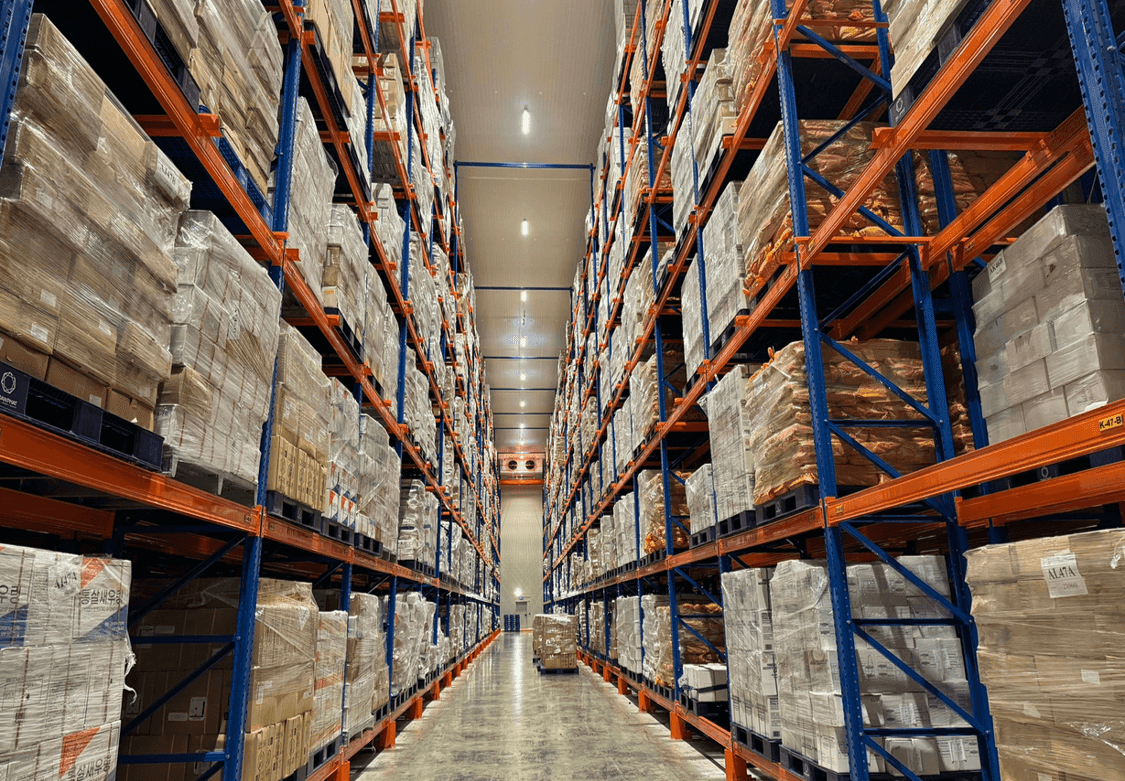
In an intensely competitive market with increasingly stringent standards, the greatest pride lies in seeing Vietnamese agricultural products touch the taste buds and hearts of consumers around the world. However, turning that potential into real value requires a strong foundation. Among the critical elements, standard cold storage plays a pivotal role — preserving the full quality and flavor of the produce while meeting the rigorous demands of export markets, thereby protecting and enhancing the value of Vietnamese agricultural products. Join Toan Phat Refrigerated Warehouse in exploring the vital role of standard cold storage in the journey to uphold the value of Vietnamese agricultural products on the global stage. Barriers Hindering the Breakthrough of Vietnamese Agricultural Products Despite its great potential, Vietnamese agricultural products — especially fresh and processed items — continue to face numerous obstacles on their export journey. Besides the stringent standards imposed by importing countries, the reliance on exporting raw materials with minimal processing and the high post-harvest loss rate due to inadequate cold storage systems are major challenges for the agricultural sector. In many localities, agricultural products are harvested seasonally, resulting in large volumes within a short period. However, the post-harvest preservation and storage infrastructure remains inconsistent, with a significant shortage of cold storage facilities and proper refrigeration equipment. This leads to serious consequences: Agricultural products are easily damaged due to improper cooling and preservation immediately after harvest. Commercial value declines rapidly, causing significant losses for farmers and businesses, especially during periods of oversupply, and negatively impacting the capability and quality of processed products. Product quality cannot be consistently maintained during transportation, causing many shipments to fail to meet the export standards of international markets. The lack of an efficient cold supply chain not only reduces the competitiveness of Vietnamese agricultural products in the global market but also hampers efforts to build strong brands and achieve sustainable agricultural development. The Critical Role of Standard Cold Storage in Preserving the Value of Vietnamese Agricultural Products Vietnamese agricultural products boast high nutritional and commercial value, yet they are highly vulnerable post-harvest if factors like temperature, humidity, ethylene gas levels, and microbial contamination are not strictly controlled. These impacts not only degrade product quality but also shorten shelf life, directly affecting commercial value. Particularly in the context of climate change and increasingly frequent extreme weather events, the need to protect agricultural products from environmental impacts has become more urgent than ever. Standard cold storage is an effective solution that enables businesses and farmers to proactively respond to climate risks, protect product quality, and enhance competitiveness by: Maintaining freshness and natural flavor : By controlling the appropriate temperature for each type of product — from fruits and vegetables to processed foods. Preventing biological spoilage : By limiting microbial growth, extending shelf life while ensuring food safety. Ensuring quality according to international standards : Certified standard cold storage systems with strict controls and full food safety certifications help products meet the rigorous requirements of demanding markets such as the EU, Japan, and the United States. Enhancing adaptability to climate fluctuations : By providing stable storage conditions, enabling a continuous supply chain even under adverse weather conditions. Standard cold storage is not merely a storage facility; it is a strategic link in the modern agricultural ecosystem. It plays a crucial role in reducing post-harvest losses, maintaining product quality, increasing commercial value, and boosting the competitiveness of Vietnamese agricultural products in the global market. In the long term, investing in cold storage systems is also a sustainable solution for the agricultural sector to effectively adapt to climate change and develop toward modernization and professionalism. Standard Cold Storage – A Launchpad for Vietnamese Agricultural Products to Go Global Not every cold storage facility meets the requirements for preserving export-quality agricultural products. To be recognized as a standard cold storage facility, the infrastructure must comply with a series of stringent technical criteria and certifications to ensure safety and quality throughout the storage and transportation process. Specifically: Appropriate storage temperature for each type of product : For example, vegetables should be kept at 0–5°C, fruits such as dragon fruit at 5–8°C, and deeply processed foods may require temperatures of ≤ -18°C. Humidity and ethylene gas control systems : These help prolong freshness, prevent premature ripening, and preserve the original flavor and texture of agricultural products. Quick chilling technology : This shortens the time needed to bring products down to optimal storage temperatures, minimizing the risk of bacterial contamination and spoilage. Clearly defined storage zones : Products are separated by groups to prevent cross-contamination of odors, control the spread of ripening, and limit microbial transmission. International certifications and safety standards : A standard cold storage facility must obtain prestigious certifications such as HACCP, ISO 22000, and food safety certifications, enabling businesses to easily overcome technical barriers and pass rigorous inspections from demanding markets like the EU, Japan, and the United States. Thanks to its closed-loop control system and high standards, standard cold storage facilities are not merely storage spaces — they serve as launchpads for Vietnamese agricultural products to confidently reach global markets. They are fundamental in preserving quality across thousands of kilometers of transportation, building brand reputation, increasing commercial value, and solidifying Vietnam’s presence on international dining tables. Toan Phat Refrigerated Warehouse – A Trusted Partner in Bringing Vietnamese Agricultural Products to the World With the goal of accompanying agricultural businesses on their journey to reach the global market, Toan Phat Refrigerated Warehouse has invested in an international-standard industrial cold storage system — offering competitive pricing along with many outstanding advantages. Modern, Flexible, and Specialized Cold Storage System Large storage capacity : Over 10,000 pallet positions, capable of storing up to 12,000 tons — suitable for handling large-volume orders. Storage temperatures : -20°C (±2°C), with quick-freezing storage available at -30°C — ideal for various types of fruits, seafood, and processed foods. Product-specific zoning : Dedicated storage areas by product category to prevent cross-contamination of odors and ensure product quality. 24/7 monitoring and operation : Convenient for continuous import/export activities, supporting business operations and export demands. Certified to international standards : Compliance with VSATTP, ISO 22000:2018, HACCP CODEX:2020, and full certification for food safety and hygiene. Toan Phat Refrigerated Warehouse Hotline/Zalo (24/7): 093 100 0001 Fanpage: https://www.facebook.com/kholanhtoanphat Website: www.kholanhtoanphat.vn Địa chỉ: Block A24-2, Ngang 1 Road, Phu An Thanh Industrial Park, An Thanh Commune, Ben Luc District, Long An Province
28 Mar 2026
Blog
Why should businesses choose cold storage that meets HACCP Codex standards?
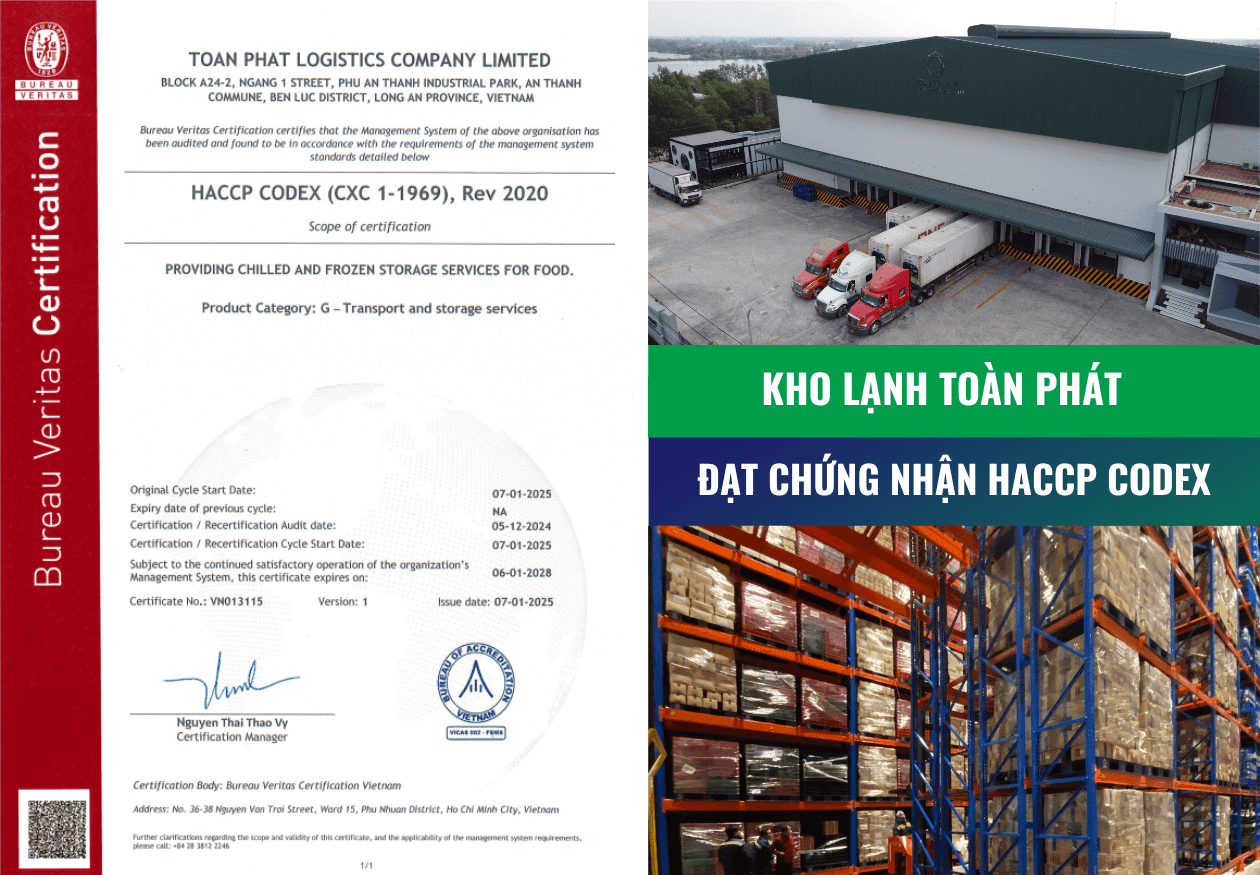
Toan Phat Refrigerated Warehouse(Toan Phat Logistics Company Limited) has officially achieved HACCP Codex certification (CXC 1-1969), version 2020, issued by Bureau Veritas. Affirming Toan Phat's commitment to providing cold storage services that meet international food safety standards, providing safe storage solutions, meeting the strict requirements of domestic and foreign markets. What is HACCP Codex? Why is it important for cold storage? HACCP (Hazard Analysis and Critical Control Points) is a system of hazard analysis and critical control points, which helps prevent food safety risks during the production, processing and storage of food. HACCP Codex (CXC 1-1969) is an international set of guidelines developed by the Codex Alimentarius Commission of the FAO and WHO, ensuring food safety throughout the supply chain. HACCP Codex 2020 not only emphasizes risk control in the food supply chain but also expands the requirements for prerequisite programs (PRPs), food safety culture and verification of the effectiveness of the HACCP system. This new version updates the principles to help businesses improve risk management, traceability and document control, thereby ensuring food safety more comprehensively. For cold storage, HACCP Codex 2020 retains the core requirements of temperature and humidity control, and prevention of microbiological, chemical, and physical cross-contamination. However, the new standard also requires cold storage to be more closely integrated into the overall food safety management system, including hygiene control, staff training, and real-time monitoring of storage conditions. Bureau Veritas – Globally Prestigious Certification Organization Bureau Veritas is one of the world's leading inspection, testing and certification organizations, with more than 190 years of experience in the field of quality assessment. HACCP certification issued by Bureau Veritas not only meets international standards but also helps businesses improve their position in the market. With a rigorous inspection process, Bureau Veritas has comprehensively assessed the food safety management system of Toan Phat Refrigerated Warehouse, ensuring that it fully meets the strict requirements of HACCP Codex 2020. An important step in the journey to improve quality Toan Phat Refrigerated Warehouse has achieved HACCP Codex certification (CXC 1-1969), version 2020, issued by the international certification organization Bureau Veritas. This is an important milestone, affirming Toan Phat Logistics Company Limited's commitment to providing cold storage services that meet international food safety standards. To achieve this certification, Toan Phat Refrigerated Warehouse has undergone a comprehensive preparation and improvement process for the cold storage system: Strictly control storage conditions: Ensure the temperature is always at the optimal level, maintain humidity and standard warehouse hygiene. Staff training: All staff are trained in HACCP principles, hazard control procedures and incident handling plans. Upgrading operating procedures: Applying control measures from input to output, ensuring that goods are not cross-contaminated or degraded in quality during storage. Inspection and assessment by Bureau Veritas: Bureau Veritas experts have conducted on-site inspections, evaluated records, processes and warehouse conditions before granting certification. Achieving HACCP certification is not only a recognition, but also demonstrates Toan Phat Refrigerated Warehouse's serious investment in service quality and business reputation. Benefits of HACCP certification for customers and partners HACCP certification not only helps Toan Phat Refrigerated Warehouse increase its reputation, but also brings many practical values to customers. Enterprises in the fields of food, agricultural products, and seafood can rest assured when cooperating with Toan Phat Refrigerated Warehouse. Ensuring food safety: Goods are stored under international standard conditions, minimizing the risk of food spoilage. Improving competitive advantage: HACCP certification helps Toan Phat Refrigerated Warehouse customers easily access export markets, especially countries with strict standards such as the EU, US, Japan, etc. Risk control and legal compliance: Meeting Vietnamese and international food safety regulations, limiting legal risks related to product quality. Achieving HACCP certification as well as other certifications are steps in the journey to improve the quality of Toan Phat Refrigerated Warehouse's services and we are committed to always: Maintaining and continuously improving: The food safety management system will be strictly controlled, strictly complying with HACCP requirements. Investing in advanced technology: Toan Phat Refrigerated Warehouse continues to upgrade its infrastructure, applying automatic temperature and humidity monitoring technology to ensure optimal storage conditions. Maximum customer support: Toan Phat Refrigerated Warehouse team is always ready to advise and accompany customers in optimizing and improving the cold supply chain. The HACCP Codex (CXC 1-1969) 2020 certification issued by Bureau Veritas is an affirmation of the service quality and reputation of Toan Phat Refrigerated Warehouse. This is not only an important milestone but also a solid stepping stone to help Phat Logistics Co., Ltd. continue to develop, accompany customers and partners on the journey to improve food safety, and build an increasingly strong Vietnamese agricultural and aquatic products brand. Does your business need to rent a cold storage that meets HACCP standards? Contact Toan Phat Refrigerated Warehouse for detailed advice! Toan Phat Refrigerated Warehouse Hotline/Zalo (24/7): 093 100 0001 Fanpage: www.facebook.com/kholanhtoanphat Website: www.kholanhtoanphat.vn Address: Lot A24-2, Ngang 1 Street, Phu An Thanh Industrial Park, Ben Luc, Tay Ninh

28 Mar 2026
Blog
Vietnam International Halal Certifier Recognizes Toan Phat Irradiation Plant and Cold Storage for Meeting International Halal Standard MS 1500:2019 (JAKIM – Malaysia)
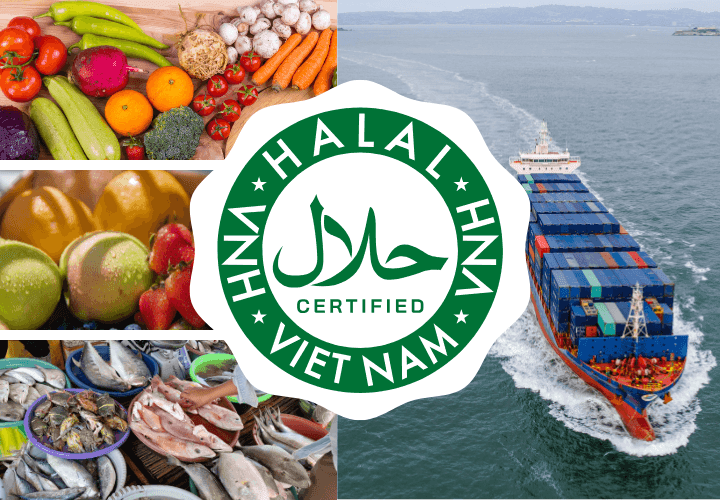
In the context of ongoing global economic fluctuations such as tariff uncertainties from the United States, geopolitical conflicts, and rising transportation costs, Vietnamese enterprises are striving to find sustainable pathways to maintain orders and expand export markets. Among these, the Halal market for the Muslim community is opening up a major gateway with untapped potential. According to Cognitive Market Research, the global Halal market reached approximately USD 2.548 trillion in 2024 and is projected to grow at an average rate of 9.90% per year during the period from 2024 to 2031. This is not only a market exclusive to Muslim countries but is also gradually becoming a quality benchmark favored by international distribution systems thanks to its safety, transparency, and clear traceability. In Vietnam, more and more enterprises in the agricultural and seafood sectors are focusing on investing in Halal standards to seize opportunities to access high-potential markets such as the Middle East, Malaysia, Indonesia, or North Africa. Achieving Halal certification not only helps expand markets but also serves as a clear commitment to quality, contributing to enhancing the competitiveness of Vietnamese goods on the global export map. However, for Vietnamese agricultural and seafood products to deeply penetrate the global Halal food distribution system, enterprises not only need products certified Halal but must also ensure that the entire logistics chain, including raw material sourcing, production, transportation, microbiological control, pest control, and cold storage, strictly complies with Halal standards. This requires a specialized logistics ecosystem, built synchronously and recognized by international Halal organizations. Experts from Vietnam International Halal (VNH) conducted an on-site assessment of the cold storage system and the irradiation processing area at TOANPHAT Group, in accordance with the MS 1500:2019 standard issued by JAKIM – Malaysia. Grasping the trend of the Halal market, which is expanding and demanding higher standards in the supply chain, TOANPHAT Group (TPG) is one of the pioneers in building a Logistics Center (Logistics Hub) comprehensively evaluated according to strict Halal standards, serving the export supply chain to Muslim markets. The rigorous assessment process was carried out by experts from Vietnam National Halal. With the orientation of accompanying customers in markets that require high standards, TOANPHAT Group has proactively built infrastructure and operational processes that meet Halal standards, from transportation, microbiological control, pest control to cold storage. Being evaluated across the entire system helps TOANPHAT Group not only ensure consistency in quality control but also effectively support customers in meeting the stringent requirements of the Halal export market. The equipment system at TPG has been assessed to strictly comply with Halal standards for hygiene, safety, and quality control. The Logistics Hub is developed by two core entities: Toan Phat Irradiation Company Limited (TPI) – certified Halal for Toan Phat Irradiation Service; and Toan Phat Logistics Joint Stock Company (TPL) – which owns a cold storage and transportation system meeting Halal storage standards . The entire process has been evaluated and certified by Vietnam International Halal (VNH) according to the MS 1500:2019 standard recognized by JAKIM (Malaysia). Halal certification under JAKIM (Malaysia) standards is granted by Vietnam International Halal (VNH). The thorough investment from infrastructure to operational processes at the Logistics Hub not only demonstrates TPG’s capability in the export supply chain but also contributes to creating a solid foundation for Vietnamese agricultural and seafood products to sustainably access global Halal markets. *Source: Cognitive Market Research, Global Halal Market Report, 2024.
28 Mar 2026
Blog
Halal Market: A golden opportunity to propel Vietnamese agricultural products forward
In the context of global economic fluctuations, supply chains are constantly under pressure—from trade conflicts to increasingly stringent technical standards—posing a new challenge for Vietnamese exporters: how to maintain growth and expand markets in the long term? These very challenges are becoming the driving force pushing enterprises to restructure strategies, upgrade systems, and shift towards sustainable development. One of the most promising directions today is the Halal market, where scale and growing demand are opening up a “golden opportunity” for Vietnamese agricultural products to break through. Opportunity From Challenges: A Shift for Sustainable Agriculture Changes in global trade have shown that export market diversification is no longer optional—it’s a necessity. Instead of focusing on a few traditional markets, Vietnamese enterprises should expand into new segments, where higher standards bring higher value. Transitioning to international standards across the supply chain—from production processes and microbiological control to storage and transportation—not only helps businesses adapt to volatility but also lays the foundation for a long-term, sustainable export strategy. Halal Market: A Golden Opportunity for Vietnamese Agriculture According to Cognitive Market Research, the global Halal market reached approximately USD 2,548 billion in 2024 and is expected to grow by an average of 9.90% per year from 2024 to 2031—creating enormous growth potential for exporting nations that can meet Halal standards. Halal is not only for Muslim communities; it is also recognized by international distribution systems as a benchmark for food transparency and safety. With strong advantages in diverse tropical agriculture and abundant seafood, now is the golden time to tap into the Halal market as a new growth engine. Entering this market not only expands Vietnam’s export share but also enables agricultural products to meet the quality standards prioritized by international distributors. It’s the key to increasing value and affirming Vietnam’s position on the global export map. Challenges in Entering the Halal Market Despite its great potential, Vietnamese enterprises still face many barriers in accessing the Halal market: High Halal standards: Businesses must strictly comply from raw materials, production, packaging, to transport and storage—requiring synchronized investment. Cultural differences: Products must not only meet technical standards but also align with consumer habits. Lack of deep cultural understanding can result in ineffective market approaches. Limited Halal infrastructure: Vietnam has a limited number of specialized logistics providers that meet Halal standards, making it difficult to maintain a compliant supply chain. Lack of long-term strategy: Many businesses approach the Halal market with a short-term mindset, without investing in a sustainable supply chain to create long-term competitive advantages. Halal Logistics: A Foundational Value Chain Bringing Vietnamese Agriculture Closer to the Halal Market In alignment with exporters and market trends, TOANPHAT Group (TPG) has pioneered the development of a Halal logistics complex in Vietnam, evaluated under MS 1500:2019 standards recognized by JAKIM (Malaysia) and certified by Vietnam Halal National Certification Body. Being Halal-certified for the entire process enables TPG to offer services that meet Halal standards—from transportation, microbiological and pest control to cold storage—helping Vietnamese enterprises access international Muslim markets. The Halal market is opening a strategic gateway for Vietnamese agricultural products to overcome waves of challenges and elevate their position on the global export map. With TPG’s pioneering role in building a Halal-compliant logistics ecosystem, Vietnamese businesses can confidently pursue sustainable engagement in this promising market, while also upgrading standards to compete fairly in other demanding international markets. Contact TPG for Halal-compliant irradiation and cold storage services: 📍 Lot A24-1, A24-2, Ngang 1 Street, Phu An Thanh Industrial Park, Ben Luc, Tay Ninh 🌐 www.toanphatgroup.com 📧 thongtin@tpirr.vn 📞 Hotline: 093 100 0001

28 Mar 2026
Blog
JAPAN – VIETNAM ALLIANCE ESTABLISHES MEKONG LOGISTICS HUB TO ELEVATE VIETNAM’S AGRI–AQUA SUPPLY CHAIN
Ho Chi Minh City, September 18, 2025 – The strategic signing ceremony between Toan Phat Irradiation Co., Ltd. (TPI), Kawanishi Warehouse Co., Ltd., and MOL Logistics Co., Ltd. (a member of Mitsui O.S.K. Lines) officially took place in Ho Chi Minh City, laying the foundation for a world-class strategic alliance. This partnership promises to enhance the entire cold supply chain for Vietnam’s agricultural and aquaculture sectors. Under this agreement, two leading Japanese corporations – Kawanishi Warehouse Co., Ltd. and MOL Logistics Co., Ltd. (a subsidiary of Mitsui O.S.K. Lines) – have become strategic shareholders of Toan Phat Logistics Joint Stock Company (TPL), alongside founding shareholder Toan Phat Irradiation Co., Ltd. (TPI). This collaboration will establish a Mekong Logistics Hub at the gateway to the Mekong Delta, pioneering Vietnam’s first fully integrated cold-chain logistics ecosystem. More than opening a new path, the alliance is committed to upgrading Vietnam’s export routes with superior capabilities, ensuring product quality, safety, and strict compliance with the highest international standards. According to the Ministry of Industry and Trade, the Mekong Delta (ĐBSCL) currently accounts for about 30% of the cold storage capacity in Southern Vietnam and 50% nationwide, with facilities concentrated in Tay Ninh (formerly part of Long An). This area is one of the country’s largest industrial zones – not only serving as Ho Chi Minh City’s “buffer zone” but also as a national hub for manufacturing, logistics, and spiritual tourism, with vast industrial and logistics development potential. Experts from Can Tho University emphasize that cold-chain development is not just a technical requirement but also a strategic factor in enhancing competitiveness, bridging production and markets to international standards. Demand for cold supply chains serving production and exports continues to rise, yet the distribution network remains underdeveloped. This gap increases logistics costs for businesses and reduces export competitiveness. In the Mekong Delta, however, cold-chain logistics is advancing rapidly thanks to significant investments by enterprises, creating closed-loop supply chains that meet international quality standards, reduce post-harvest losses, and lower overall costs. Since 2018, Toan Phat Irradiation Co., Ltd. (TPI) has operated in Tay Ninh (formerly Long An) – the strategic gateway of the Mekong Delta’s agri–aqua production. TPI has pioneered the application of advanced irradiation technologies recognized by demanding markets such as the U.S., Australia, and New Zealand, achieving international certifications including ISO 9001, ISO 22000, HACCP (certified by Bureau Veritas), and Halal. These enable Vietnamese agri–aqua exporters to meet stringent global quality standards more quickly. By 2023, Toan Phat Cold Storage (TPL) was launched with a capacity of nearly 11,000 tons, completing a closed-loop “irradiation–cold storage” supply chain that boosts Vietnam’s export competitiveness. Mr. Vuong Hieu, President & CEO of Toan Phat Irradiation Co., Ltd., spoke at the signing ceremony. Mr. Vuong Hieu, Chairman & CEO of Toan Phat Irradiation Co., Ltd., stated: “Our greatest differentiator lies in an efficient integrated model that creates a closed-loop value chain right at the gateway to the Mekong Delta. Instead of transporting goods through multiple locations, businesses can save time and logistics costs by accessing irradiation and cold storage services in one place, reducing risks of supply chain disruption. At the same time, eliminating one transit stage helps reduce carbon emissions, in line with green logistics trends. This commitment is proven through our compliance with international standards such as ISO 14001 on environmental management, alongside ISO 9001, ISO 22000, HACCP, and Halal, ensuring quality, reliability, and responsibility for import–export goods.” This strong foundation in microbial/pest control technology and preservation, combined with the potential for an integrated logistics ecosystem, has attracted strategic capital from the two Japanese corporations. Their participation brings two core values to elevate the supply chain: quality depth and scale breadth. Kawanishi Warehouse, a century-old logistics company, contributes reliability and operational expertise. With its double Authorized Economic Operator (AEO) certification in Japan, Kawanishi will guide TPL in building and refining security management systems that meet the strictest international standards, significantly increasing the trustworthiness of Vietnamese exports at destination ports. MOL Logistics, a subsidiary of global shipping giant Mitsui O.S.K. Lines, brings global scale through its 138 offices across 26 countries. With its “Blue Action 2035” strategy focusing on investment and M&A, MOL opens international gateways through multimodal transport networks, leveraging strategic seaports in Vietnam such as TCIT (Cai Mep) and HICT (Hai Phong), where the group has investment partnerships. The Mekong Logistics Hub, formed by this Vietnam–Japan alliance, will transform Toan Phat Cold Storage (TPL) from a standalone cold warehouse into the nucleus of an integrated logistics ecosystem. Here, the cold value chain is closed: irradiation at TPI, cold storage at TPL, standardized processes with international expertise from Kawanishi, and global connections through MOL Logistics’ worldwide transport network. Mr. Jiro Kawanishi, President & CEO of Kawanishi Warehouse Co., Ltd., spoke at the signing ceremony. At the signing ceremony, Mr. Jiro Kawanishi, Chairman & CEO of Kawanishi Warehouse Co., Ltd., shared: “Over the past 100 years, we have continuously expanded operations and sustained growth, establishing offices at key gateways in global trade: Hong Kong (1987), Thailand (1989), Singapore (1990), San Francisco (1996), and Jakarta (2012). This has strengthened our presence in ASEAN and North America. We have operated cold storage since 1931, developed a cold chain in Indonesia in 2017, and strongly expanded food transport and freight forwarding services, which are our strengths. In our strategy to expand the cold chain in ASEAN, our partnership with Toan Phat Logistics perfectly aligns with our company’s direction and expertise.” Mr. Osamu Sakurada, Chairman & CEO of MOL Logistics, added: “We highly value the efficient cold storage operations of Toan Phat Logistics (TPL). This is crucial for agricultural and aquaculture exports, industries that require strict temperature control and are expected to grow strongly in the future. Combined with the adjacent irradiation system of TPI – one of the few licensed fruit irradiation facilities in Vietnam – this integrated ‘irradiation–cold storage’ model creates significant market differentiation by offering one-stop services at a single location. We believe this is a key competitive advantage for TPL. With shareholder synergies, TPL will not only manage cold storage but also help elevate Vietnam’s entire logistics infrastructure. For our part, we will connect TPL’s cold storage system with MOL Logistics Vietnam’s domestic transport network and our global network, building a reliable cold chain that ensures peace of mind and optimal service quality for both Vietnamese and international customers.” Mr. Osamu Sakurada, President & CEO of MOL Logistics, spoke at the signing ceremony. Meanwhile, Mr. Vuong Hieu, Chairman & CEO of Toan Phat Irradiation Co., Ltd., emphasized: “The participation of Japanese partners brings a vital highlight to the Mekong Logistics Hub: a synergy that elevates international linkages toward sustainability. From Kawanishi Warehouse, we inherit over 100 years of operational experience, strengths in food transport and forwarding, and expertise in achieving AEO certification in Japan – enhancing security, compliance, and efficiency in cold storage operations. From MOL Logistics, we gain direct access to 138 global offices and modern operating philosophies that optimize routes and gradually adopt green transport solutions. Thanks to this combination, the Mekong Logistics Hub not only expands in scale but also aligns with sustainable logistics models, ready to serve domestic and the most demanding international markets.” The Mekong Logistics Hub will continue to expand its services, providing end-to-end supply chain solutions from irradiation, cold storage, and domestic transportation to port connectivity – helping agri–aqua exporters shorten export routes, reduce costs, and increase competitiveness. As Vietnam targets USD 65 billion in agri–forestry–fishery exports by 2025, this investment not only reflects international investors’ confidence in the sector’s potential but also lays the foundation for Vietnam to assert its role as a regional cold-chain logistics hub. The long-term vision of this alliance is to position the Mekong Logistics Hub as a major cold-chain transshipment center in ASEAN, ushering in a new era where Vietnamese agricultural and aquaculture products are not only exported but also branded and recognized globally for quality.