Blog
28 Mar 2026
Blog
The role of cold storage in the food industry and choosing the appropriate type of cold storage
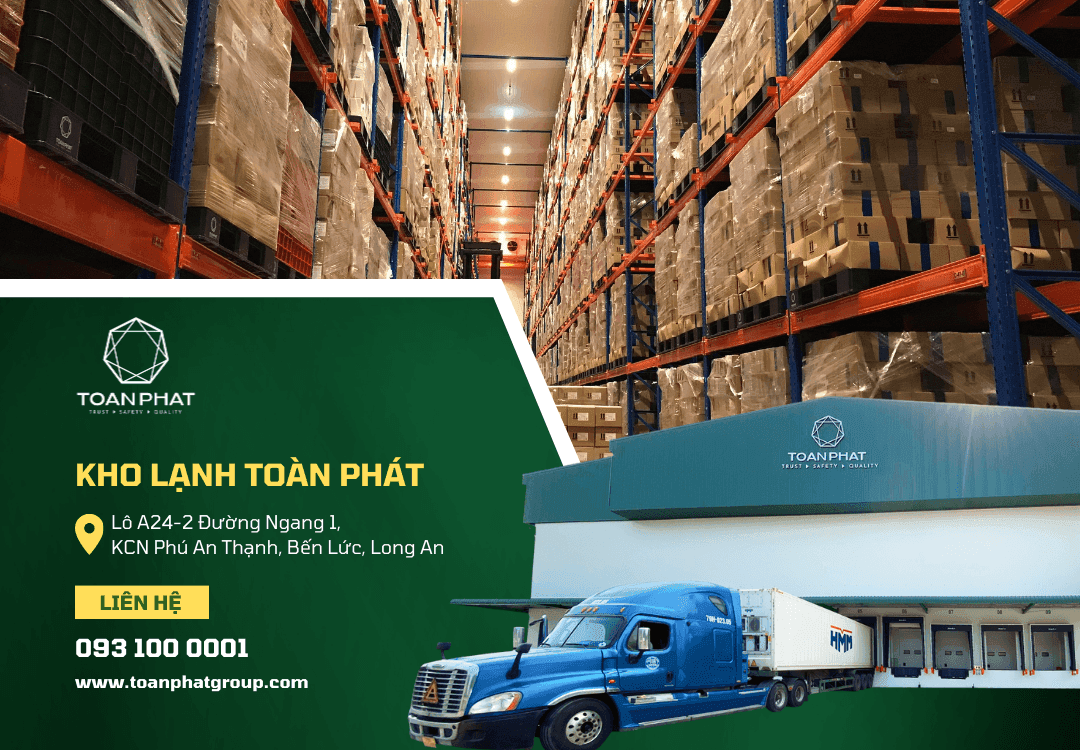
Cold storage is an important part of the food industry and commodity supply system. Preserving goods in cold storage requires consideration and selection of the right type of cold storage suitable for the type of goods to be stored. The role of cold storage in the food industry - Food preservation: Cold storage is an ideal place to store food. Low temperatures prevent the growth of bacteria and microorganisms, helping to preserve food freshness and safety. By keeping food fresh and intact, cold storage plays an important role in maintaining food quality and ensuring that products reaching consumers retain their quality and high nutritional value. - Storing goods: Cold storage helps reserve goods and raw materials for the food industry, helping food to be stored for a long time without affecting the quality. This helps food businesses have reserves to access international markets when they want to expand and develop. - Maintaining the supply chain: Cold storage plays an important role in maintaining the supply chain, helping to regulate supply and supply goods to the market effectively. Avoid supply chain disruptions and shortages of essential food and raw materials leading to food inflation. Choose the appropriate type of cold storage Choosing the right type of cold storage for the goods to be stored is important to preserve food in the best way, helping to save costs and optimize production and business activities; create more advantages for business development. When choosing the type of cold storage, it is important to consider factors such as the needs of the business; temperature appropriate to the specific requirements of the goods, facilities and storage conditions to ensure products are stored safely and effectively. In addition, it is necessary to pay attention to the flexibility in providing warehouse services, storage prices and accompanying service fees, service quality and reputation of the provider. Some types of warehouses and temperatures to store goods: - Frozen storage: Usually at a temperature of about -20°C (+/-2°C) degrees Celsius, suitable for storing frozen foods such as meat, fish, frozen vegetables; frozen foods and frozen raw materials... - Cool storage: Temperature is usually maintained from 0°C to 18°C. Used to preserve fresh foods or foods that need to be stored at temperatures lower than room temperature such as: vegetables, fruits, milk, packaged foods; Processed foods... need to be stored in cool storage. - Freezing warehouse: Freezing warehouse temperature is usually around -35°C to help prevent the growth of bacteria, freezing products without changing their structure or quality. Cold storage rental service of Toan Phat Cold Storage Cold storage plays an important role in the food industry, however, to optimize business operations, many businesses have chosen cold storage rental services from reputable outside units. Thanks to that, there are no large costs for construction investment, maintenance, and necessary operating costs while still ensuring food production and export activities; Use financial resources effectively to promote business operations. Location of Toan Phat Cold Storage (Long An) Toan Phat Cold Storage provides frozen storage rental services in Ben Luc, Long An with a price of only 14,500 VND/ton/day with many outstanding advantages; Favorable and brings high value to businesses operating in the field of Agriculture - Aquaculture export. - Stable warehouse temperature: ensures safe storage conditions (frozen storage: -20°C (+/-2°C)). - Storage capacity up to 12,000 tons: capable of storing orders with large weights. - Convenient warehouse location: Lot A24-2, Ngang 1 Street, Phu An Thanh Industrial Park, Ben Luc, Long An. - Modern technology, fast import/export: ensuring product quality during storage, saving customers' time, finance and human resources. - Diverse supporting services, reasonable costs: accompanying service fees such as export/import of goods, packaging of goods, replacement of packaging, P.E wrapping... at reasonable prices. - Operating 24/7: convenient import/export for business and export activities. --- Toan Phat Refrigerated Warehouse Hotline/Zalo (24/7): 093 100 0001 Fanapge: https://www.facebook.com/kholanhtoanphat Website: www.kholanhtoanphat.vn Address: Lot A24-2, Ngang 1 Street, Phu An Thanh Industrial Park, An Thanh, Ben Luc, Long An
28 Mar 2026
Blog
Food irradiation services: ensuring the safety of agricultural products and promoting export activities
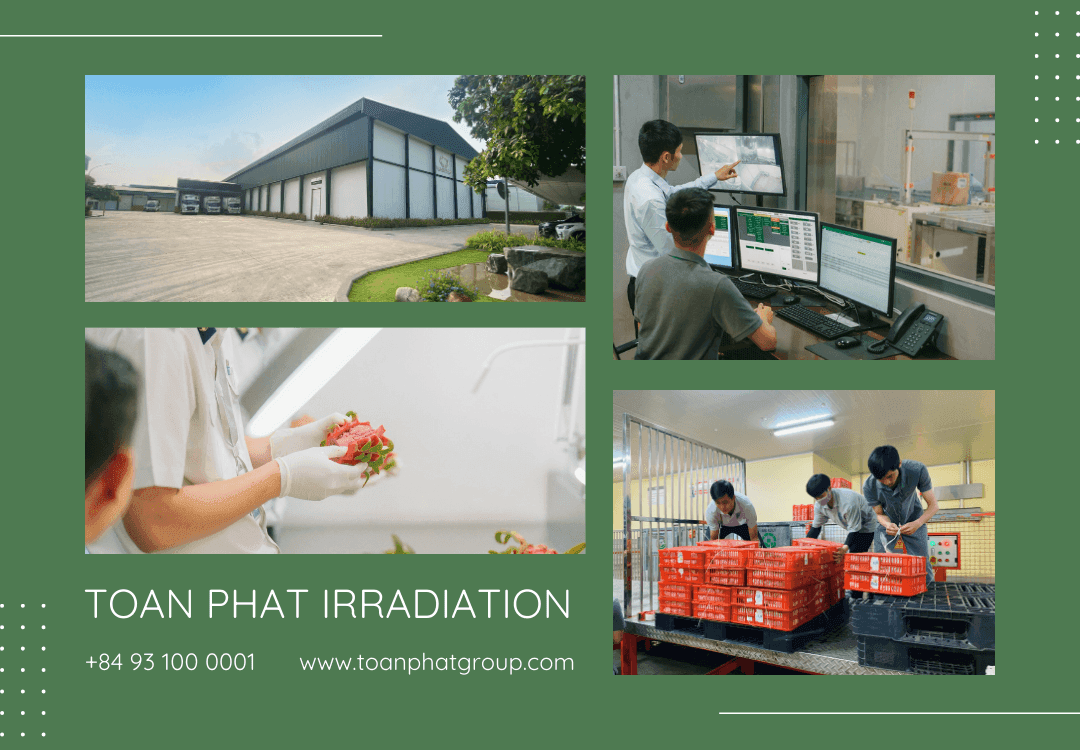
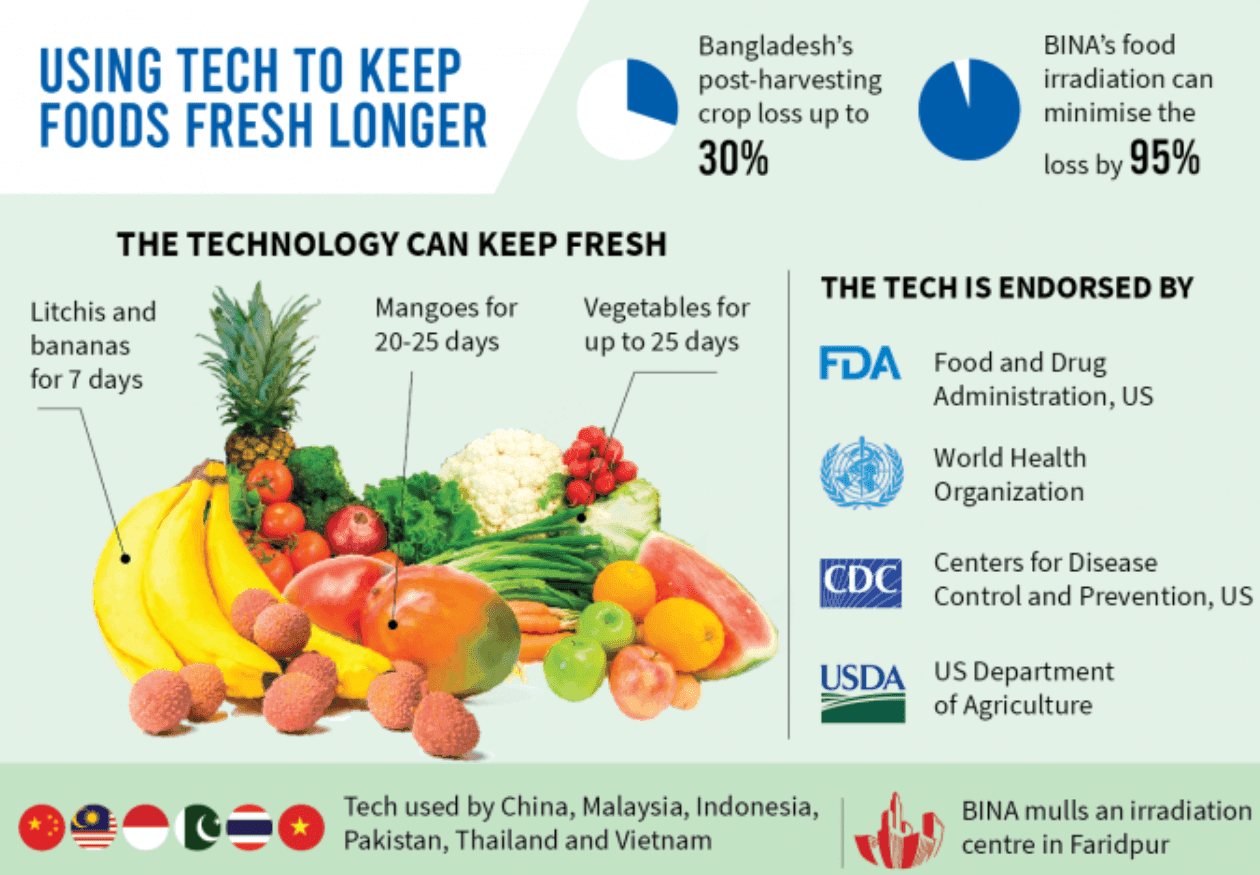
In Long An, Toan Phat Irradiation Factory has applied current advanced irradiation technologies to serve agricultural and aquatic product exports to countries such as the United States, New Zealand, Australia... For decades, food irradiation has been used for plant quarantine and to extend the shelf life of agricultural products such as spices, dried herbs, seafood, and meat; and is increasingly used on fresh fruit and vegetables to prevent pest invasion. If products are not handled carefully, harmful insects and microorganisms can enter exported items, moving to other countries during trade; causing damage to food production and adverse effects on the local environment when they reproduce and spread in the importing country. Carry out quarantine of fresh dragon fruit before being subjected to irradiation treatment Therefore, plant quarantine treatment is a prerequisite in global trade to ensure products are not contaminated with some harmful insects, especially for fresh fruit and vegetable products. Conventional processing methods such as chemical insecticides can leave residue that is harmful to humans and the environment, or heat treatment can change the taste and texture of the product. Irradiation using low doses of gamma rays, electron beams or X-rays (less than 10 kGy) can treat large quantities of food without reducing quality or posing risks to consumers. Currently, worldwide there are hundreds of facilities applying radiation in many different fields, and at least 60 facilities are applying food irradiation technology. These facilities consistently apply low levels of radiation to kill microorganisms that can spoil food, such as bacteria or fungi. Low dose irradiation is also used to control pests. Irradiation treatment of fresh fruits with Cobalt-60 line using Gamma rays at Toan Phat Irradiation Factory (Toan Phat Irradiation) The International Atomic Energy Agency (IAEA) has supported the development of irradiation as a phytosanitary measure for decades through technical cooperation programs. Mr. Carl Blackburn, Food Irradiation Expert of the Joint FAO/IAEA Program on Nuclear Techniques in Food and Agriculture, said: consumers now love delicious and beautiful fruits; Available year-round, and contains no chemical residue or harm to the environment. One of the effective solutions to meet increasingly diverse requirements is nuclear technology. “Irradiation does not affect fruit but can control pests. The treatment is optimized to neutralize pests while ensuring most nutrients remain unchanged and has little impact on fruit flavor, texture and color,” he said. Experts in Vietnam began researching food irradiation in the late 1990s with the help of the IAEA. In Long An, Toan Phat Irradiation Factory is applying the same food irradiation method that other countries: the United States, Australia and New Zealand... have used to ensure product safety, as well as requiring fruits and agricultural products imported to these countries to undergo irradiation treatment. Toan Phat Irradiation Factory applies electron beams to irradiate agricultural and aquatic products for export Toan Phat Irradiation Factory is one of the pioneers in Vietnam applying all three irradiation technologies: Gamma rays, electron beams and X-rays in agricultural and aquatic irradiation. Mr. Blackburn also said that the use of radiation generated from electric current; such as electron beams and advances in irradiation technology can make this process more economical and easier, reducing safety and security concerns associated with the use of radioactive sources. Toan Phat Irradiation Factory is planning to expand an additional irradiation system to increase capacity, serve and meet the growth of the Agriculture - Aquaculture export industry in the coming years. Translated and edited from www.iaea.org
28 Mar 2026
Blog
Toan Phat Irradiation Factory experimentally distributes irradiation doses (dose mapping) of fresh passion fruit exported to the Australian market
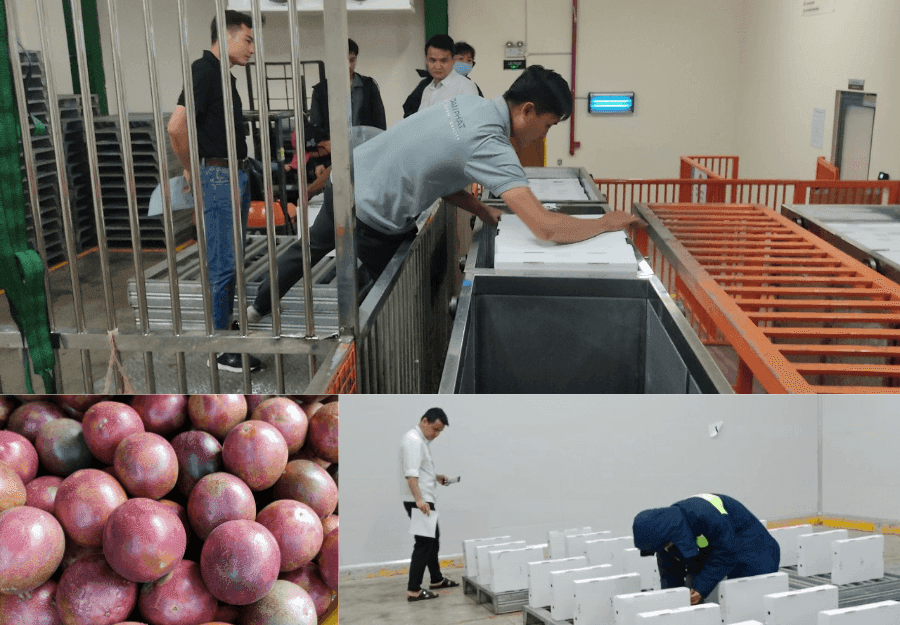
To improve the quality and value of fresh passion fruit, creating more opportunities to bring this agricultural product into the Australian market as soon as possible; Toan Phat Irradiation Factory conducted dose mapping on fresh passion fruit exported to Australia on March 9, 2024. In July 2023, the Plant Protection Department (PPD) under the Ministry of Agriculture and Rural Development of Vietnam received a notice from the Ministry of Agriculture; Australian Fisheries and Forestry (DAFF) on the draft "Report on import requirements for Vietnamese fresh passion fruit exported to Australia". This draft report assessed Vietnam's proposal for access to the Australian market for fresh passion fruit for human consumption. Accordingly, DAFF said fresh passion fruit harvested from growing areas in Vietnam can be imported into the Australian market, but must comply with biosecurity requirements. The report identified 11 pest species as biosecurity risks, including fruit flies, aphids, spiders and thrips, etc. Vietnamese fresh passion fruit is about to be officially exported to Australia In order to minimize pests, the draft report proposed a number of risk management measures such as: establishing pest-free growing areas, pest-free production areas or pest-free production facilities. At the same time, DAFF believes that the application of irradiation treatment is considered effective in pest control. Therefore, the Department of Agriculture and Rural Development of provinces/cities has directed associations, organizations and individuals; specialized units proactively prepare technical conditions for growing areas and propose measures to promote Vietnam's agricultural exports to the Australian market; especially meeting the conditions and being ready to export fresh passion fruit once successfully opened. Experimental dose distribution of fresh passion fruit irradiation with Cobalt-60 source using Gamma rays at Toan Phat Irradiation Factory Based on the proactive spirit, ready to pioneer to accompany Vietnamese Agricultural Products and export businesses; Toan Phat Irradiation Factory conducted research and performed dose mapping on fresh passion fruit exported to Australia on March 9, 2024. The process is carried out, inspected and evaluated by Quarantine Officers of the Plant Protection Department (PPD), along with experts in the field of irradiation of Toan Phat Irradiation Factory. The experimental process of dose distribution for fresh passion fruit irradiation at Toan Phat Irradiation Factory was inspected and evaluated by Quarantine Officers of the Plant Protection Department (PPD). The process of implementing radiation dose distribution (dose mapping) on fresh passion fruit exported to Australia at Toan Phat Irradiation Factory was successful; aiming to become a fresh passion fruit irradiation facility in Vietnam approved by DAFF and a pioneer in providing fresh passion fruit irradiation treatment services when officially opened to the Australian market. Thereby, ensuring that fresh passion fruit after being irradiated at Toan Phat Irradiation Factory is not contaminated with pests according to Australian regulations; Product quality and other requirements all meet the standards set by DAFF to promote Vietnam's agricultural export activities; bringing high quality value and economic efficiency to Vietnamese fresh passion fruit when reaching foreign markets. Toan Phat Irradiation Factory Hotline: 093 100 0001 Fanpage: https://www.facebook.com/chieuxatoanphat Website: www.chieuxatoanphat.vn Address: Lot A24-1, Ngang 1 Street, Phu An Thanh Industrial Park, An Thanh, Ben Luc, Long An.
28 Mar 2026
Blog
Efficiency and safety of irradiation technologies at Toan Phat Irradiation Factory
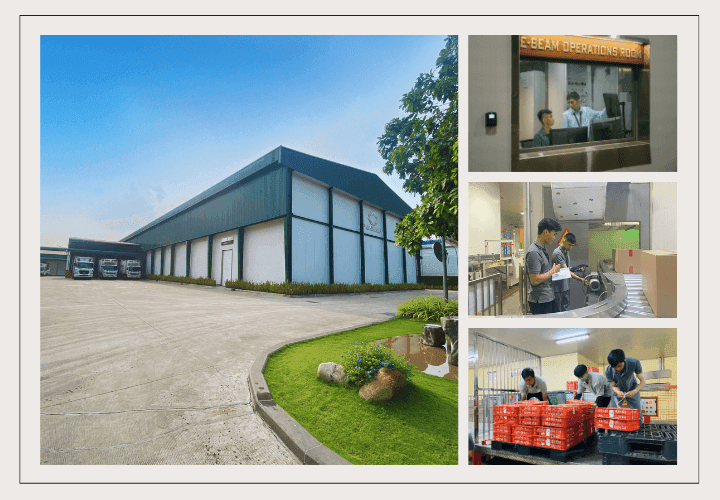
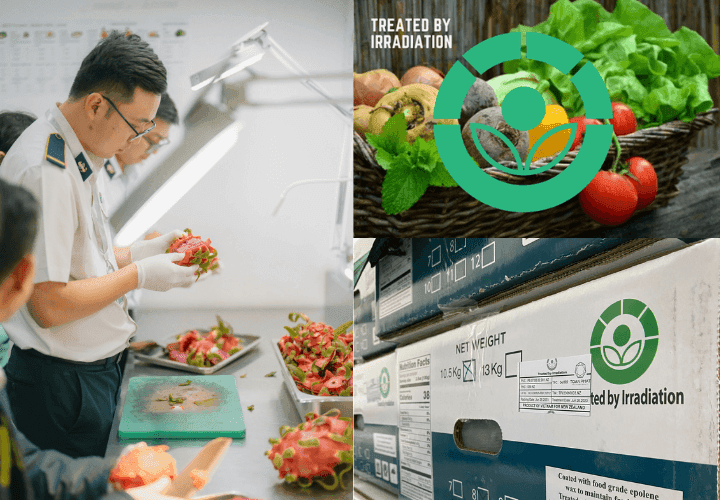
What irradiation technologies is Toan Phat Irradiation Plant (TPI) applying and how effective and safe are these technologies? What is food irradiation? Food irradiation is a method of affecting food with ionizing radiation. High-energy rays pass through food; helps eliminate bacteria, microorganisms and limit the spread of pests without significantly changing the nutrients, color, and flavor of food. Benefits of irradiation treatment Food irradiation is considered a safe and effective food preservation method with many benefits such as: destroying and significantly reducing pathogenic microorganisms and bacteria such as Salmonella, Escherichia Coli; Inhibits the germination and ripening of fruits, vegetables, and seeds; prolongs the shelf life of food, minimizes the risk of food poisoning and improves product quality. However, the appropriate radiation dose for food irradiation depends on the type of food, food storage conditions, purpose of irradiation and each country's own standards. APHIS - USDA Quarantine Officer carries out plant quarantine procedures before irradiation treatment at Toan Phat Irradiation Plant Does irradiation make food radioactive? Prestigious organizations in the world such as the Food and Agriculture Organization of the United Nations (FAO); International Atomic Energy Agency (IAEA); International Health Organization (WHO) and International Standards Committee (CAC); has investigated and evaluated irradiated food projects to confirm the safety and quality of various irradiated products. Irradiated food is not exposed to radioactive substances, so the food is not radioactive. After irradiation, no toxins appear; There is no change in chemical components nor does it reduce the nutritional value or vitamins in the food, in addition there is no change in amino acids and fatty acids... Therefore, food irradiation does not adversely affect quality or human health but also helps improve the economic benefits of the food industry. Advantages of irradiation technologies at Toan Phat Irradiation Factory There are 03 most advanced irradiation technologies today, including: Cobalt-60, E-Beam, X-ray. Toan Phat Irradiation Factory is one of the pioneers in applying all three of these advanced irradiation technologies; each technology has its own characteristics but all ensure the safety of foods and goods when irradiated. Thanks to the application of modern technology, it has helped speed up the processing of irradiated goods, improve service quality, reduce waiting time and optimize costs for customers. 1. Irradiation machine system with Cobalt-60 source using Gamma rays Gamma ray irradiation uses radiation produced by the decay of the radioactive isotope Cobalt-60. This isotope emits high-energy photons (1.17MeV and 1.33MeV), capable of penetrating food to a depth of several tens of centimeters; so it is especially suitable for handling products with high density. Gamma irradiation process is applied to sterilize and effectively treat many different types of products such as: medical equipment, pharmaceuticals, cosmetics, food and household appliances... with advantages such as: - Suitable and safe for irradiating most foods. - Achieve highly uniform dosage in product processing. - Does not depend on shape, temperature, pressure, does not consume projectors. - Has good penetrating ability, helping to effectively handle high density packages. 2. E-Beam irradiation system uses Electron beams The irradiation process using E-Beam technology uses ionizing radiation which is high energy Electrons. The Electrons generated by the Electron Gun are accelerated by high-frequency waves through the high-frequency energy resonance structure amplified from the power source. Electrons have negative charge, small mass, and high energy; Therefore, it easily interacts with atoms and molecules in food through primary and secondary effects that cause very fast reactions on molecules or microorganisms. The advantages of this irradiation technology are: - Processing speed is fast and efficient, optimizing irradiation time. - Able to meet large output irradiation requirements. - Safe, does not leave radioactive residue on products after processing. - Use safe and environmentally friendly electronic energy sources. E-Beam Irradiation System Operation Center of Toan Phat Irradiation Factory 3. Bremsstrahlung irradiation system uses X-rays X-ray irradiation technology is a method developed based on electron beam irradiation technology. Electrons produced in the device have energies of 5MeV and 7.5MeV. Electrons interact with the Tantalum plate to create X-rays - Bremsstrahlung (bremsstrahlung radiation) and bring advantages such as: - The processing of irradiated products is quick and standard. - Safe and highly effective in handling many types of products with different densities. - Improves the penetration of photon energy, increasing the ability to penetrate through products (similar to Gamma rays). - High flexibility, capable of processing many products with different dose requirements in the same irradiation cycle. Safety of irradiation technologies at Toan Phat Irradiation Plant Research by prestigious medical and scientific organizations around the world has shown that food irradiation technology can bring many benefits to consumers, businesses and society. Toan Phat Irradiation Factory applies advanced and modern irradiation technologies; At the same time, always comply with industry principles and regulations; the irradiation dose is within the allowable level and operated according to proper procedures, ensuring the safety and quality of irradiated goods and not affecting the surrounding environment. Thereby, to accompany businesses to achieve high efficiency in exporting agricultural products and goods to the world market. Contact Info: Hotline (24/7): 093 100 0001 Fanpage: https://www.facebook.com/chieuxatoanphat Address: Lot A24-1, Ngang 1 Street, Phu An Thanh Industrial Park, An Thanh, Ben Luc, Long An
28 Mar 2026
Blog
Efficiency and benefits from preserving food and fruits by irradiation method
Irradiation is the use of ionizing radiation energy to treat goods to ensure hygiene and safety for products and food. Currently in the world, there are many countries using this technology to process and preserve more than 40 different types of products and foods, including fruits, vegetables, grains, fish, shrimp, meat, poultry, medical equipment… Benefits of food irradiation? Food irradiation with appropriate doses will help protect consumer health thanks to the ability to eliminate disease-causing bacteria such as E.coli, Salmonella... In terms of economics, irradiation brings great benefits from food being preserved longer; Extends usage time and reduces damage thanks to controlling insects and pests; Slows down the ripening process of fruits and prevents the germination of tubers such as potatoes, purple onions, ginger... Irradiation method does not make food radioactive, does not change the quality or reduce nutritional value, but also has a preservation effect; Control factors that affect users and serve Vietnam's agricultural export process. Depending on the type of item and purpose, the food irradiation process uses an appropriate radiation dose (Gy) that does not exceed the prescribed limit. Is food irradiation safe? International agencies include the Food and Agriculture Organization of the United Nations (FAO), the International Atomic Energy Agency (IAEA); International Health Organization (WHO) and International Standards Committee (CAC) has evaluated and investigated irradiated food projects to confirm the safety and quality of various irradiated products. Investigations show that food irradiation can be used alone or in combination with other methods to improve microbiological safety and prolong food preservation. Officials of the Animal and Plant Quarantine Department (APHIS - USDA) implement plant quarantine procedures and irradiation treatment at Toan Phat Irradiation Plant Pests (worms, bugs, etc.) and microorganisms contaminated in food are the cause of significant food loss during storage; transportation and trading (15% for cereals, 20% for fish and dairy products and especially up to 40% for fruits and vegetables). According to the World Health Organization (WHO), diseases caused by microbial and parasitic infections are a frequent cause of death worldwide (35%), most of which occur in developing countries. Therefore, many technical processes are used to preserve food such as pasteurization, canning, use of preservatives and irradiation. In Vietnam, facilities that perform food irradiation and food that is irradiated must comply with safety regulations, according to Decision No. 3616/2004/QD-BYT dated October 14, 2004 of the Ministry of Health promulgating "Regulations on hygiene and safety for foods preserved by irradiation". Irradiation of fresh fruit (food irradiation) for export Most markets require fruit to be irradiated before importation, and irradiation is a technical barrier to prevent pests that can travel with exported products into the importing country. Therefore, when Vietnamese fruits are exported to countries such as the US, Australia, New Zealand,...; Fresh fruit is subject to absolute censorship and must comply with technical regulations on cultivation and product quality. In particular, fruits must meet the plant quarantine requirements of importing countries and must be irradiated or treated with hot steam before import. For labeling of irradiated food packaging, in addition to mandatory information according to the law on food labeling, there must be the words: "Irradiated food"; or label irradiated food with the "Radura" symbol. Toan Phat Irradiation Factory reduces 15% of irradiation treatment service fees for the Seafood industry (until November 30, 2023) Officially put into operation in 2018, Toan Phat Irradiation Factory has been granted a license to operate irradiation equipment from the Ministry of Science and Technology; is one of the pioneers in applying all three of the most advanced irradiation technologies today: Cobalt-60, E-Beam, X-Ray. All modern facilities and equipment meet the requirements for effective irradiation, speed up the processing of irradiated goods, and improve service quality; Reduce waiting time and optimize costs for customers. Toan Phat Irradiation Factory: Hotline: 092 452 1888 – 092 452 3888 Website: www.chieuxatoanphat.vn Fanpage: https://www.facebook.com/chieuxatoanphat Address: Lot A24-1, Ngang 1 Street, An Thanh Industrial Park, An Thanh Commune, Ben Luc District, Long An Province. Reference: - https://www.fda.gov/food/buy-store-serve-safe-food/food-irradiation-what-you-need-know - https://cesti.gov.vn/bai-viet/suoi-nguon-tri-thuc/chieu-xa-de-xuat-khau-trai-cay-01001061-0000-0000-0000-000000000000 - https://tytphuong15qtb.medinet.gov.vn/an-toan-thuc-pham/an-toan-thuc-pham-c9922-39624.aspx - https://ictvietnam.vn/hieu-qua-bao-quan-thuc-pham-trai-cay-tu-phuong-phap-chieu-xa-28199.html
28 Mar 2026
Blog
Toan Phat Irradiation officially irradiates fresh fruits to New Zealand
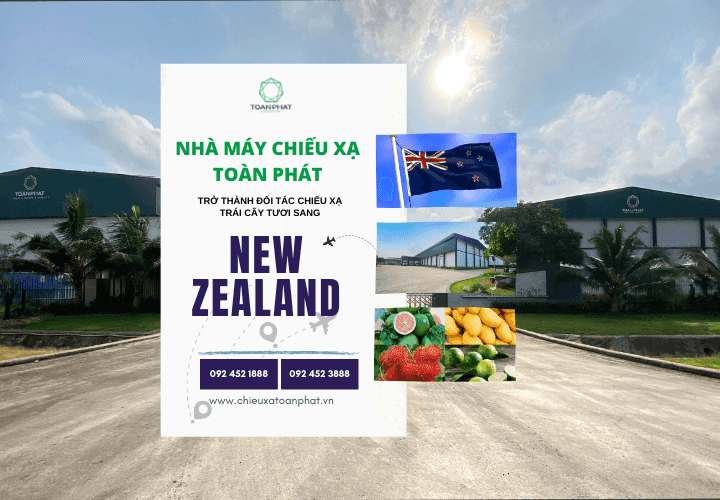
Toan Phat Irradiation (TPI) - a member of TOANPHAT GROUP, has become a partner in irradiating fresh fruits for export to the New Zealand market. On October 10, 2022, TPI officially signed a partnership agreement with the Animal and Plant Health Inspection Service (APHIS) under the United States Department of Agriculture (USDA), thereby being recognized as meeting the requirements for irradiating fruits for export to this market. After the United States, TPI continues to expand its market and has been certified by the New Zealand Ministry of Agriculture to irradiate fresh fruits for export to the New Zealand market under registration number 04/IRR/BVTV-KD. TPI currently employs the three most advanced irradiation technologies available: Cobalt-60, E-Beam, and X-ray. In addition, the operational facilities have been built and invested in accordance with standards and regulations to ensure safety during the irradiation process, effectively minimizing the presence of harmful microorganisms in food and protecting consumers' health. Furthermore, TPI has been recognized by Bureau Veritas for meeting the standards of the Hazard Analysis and Critical Control Points (HACCP) food safety management system and the ISO 9001:2015 quality management system. By implementing irradiation technology, TPI helps businesses control and ensure that fruits meet the required standards of import partners. It extends the shelf life of perishable foods and adds commercial value to agricultural and seafood products for farmers and import-export enterprises. The construction and maintenance of a qualified irradiation system for exporting fresh fruits, as well as agricultural and seafood products in general, to various markets worldwide, are always part of TPI's and TOANPHAT GROUP's development plans and strategies. Becoming an official irradiation partner for fresh fruits in New Zealand is another opportunity for Toan Phat Irradiation and exporting businesses to expand into a potential market, increase competitiveness, and establish the brand value of fresh fruits, which is a strength of Vietnam due to its diverse products, high quality, and abundant harvests each season. Toan Phat Irradiation applies all three state-of-the-art irradiation technologies: Cobalt-60, E-Beam, and X-ray. In addition to effectiveness and quality, TPI always accompanies its customers with the best irradiation prices to support businesses in optimizing costs and gaining more advantages and opportunities to conquer the international market. Currently, TPI is implementing a 5% discount on irradiation processing fees until December 31, 2023. Apart from the United States and New Zealand markets, in the near future, TPI will continue to sign cooperation agreements and expand the irradiation of various types of food to other major markets such as Australia, European Union member countries, etc., creating more opportunities for Vietnamese agricultural and seafood export businesses to make significant breakthroughs. TPG News.
28 Mar 2026
Blog
Toan Phat Irradiation processes the first shipment of fresh fruit for export to the Australian market
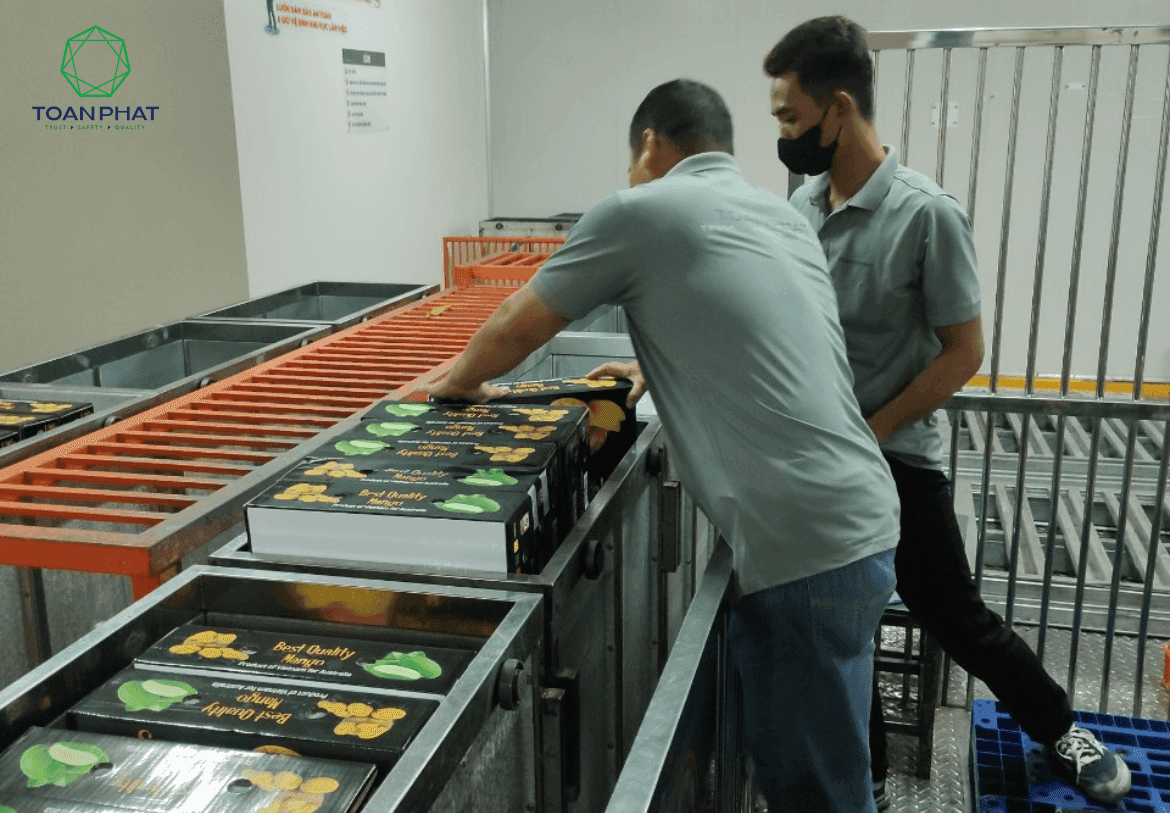
On June 8, 2024, the Toan Phat Irradiation (TPI) officially processed the first shipment of fresh fruit from DT-PRO Co., Ltd for export to the Australian market. After becoming an official partner of BICON (Australian Biosecurity Import Conditions) under the Australian Department of Agriculture, Fisheries and Forestry (DAFF), on June 8, 2024, the Toan Phat Irradiation and Quarantine Officers from the Plant Protection Department (PPD) of the Ministry of Agriculture and Rural Development of Vietnam conducted quarantine and irradiation treatment for the first shipment of fresh fruit for export to the Australian market. The first shipment processed by Toan Phat Irradiation for export to Australia was approximately 7 tons of fresh mangoes from DT-PRO Co., Ltd. The entire shipment was quarantined, found to be free of insects, diseases, and other organisms of concern to Australia, and met export quality standards. Additionally, it was issued an irradiation treatment certificate as required for export to the Australian market. According to the Vietnam Trade Office in Australia, to be eligible for export to Australia, mangoes must be produced in Vietnam in compliance with relevant conditions and programs. They must undergo mandatory irradiation treatment at a facility approved by the competent authorities in Vietnam. The shipments must be free of insects and diseases (except those neutralized by irradiation). Additionally, the shipments must not contain contaminants, including debris such as leaves, branches, soil, weed seeds, fragments, and other plant materials. Currently, four types of fresh fruits from Vietnam mangoes, longans, lychees, and dragon fruits are exported to the Australian market. Australia is considered one of the most demanding markets in the world, with high product quality standards and stringent import procedures. In this market, technical barriers, labeling requirements, and food safety regulations are very strict, with some standards even exceeding those of the United States and the European Union. For a potential yet "demanding" market like Australia, experts suggest that businesses should enhance quality control of their growing and farming areas. They should improve the registration and evaluation systems for granting codes to growing and farming areas, packing, preliminary processing, and processing facilities, and ensure compliance with Australia’s irradiation treatment requirements before exporting. Toan Phat Irradiation Hotline: (+84) 93 100 0001 Fanpage: www.facebook.com/chieuxatoanphat Website: www.chieuxatoanphat.vn Address: Block A24-1, Ngang 1 Road, Phu An Thanh Industrial Park, An Thanh Commune, Ben Luc District, Long An Province
28 Mar 2026
Blog
Toan Phat Irradiation Factory officially becomes a partner of the Australian Ministry of Agriculture, Fisheries and Forestry to irradiate fresh mango and longan for export
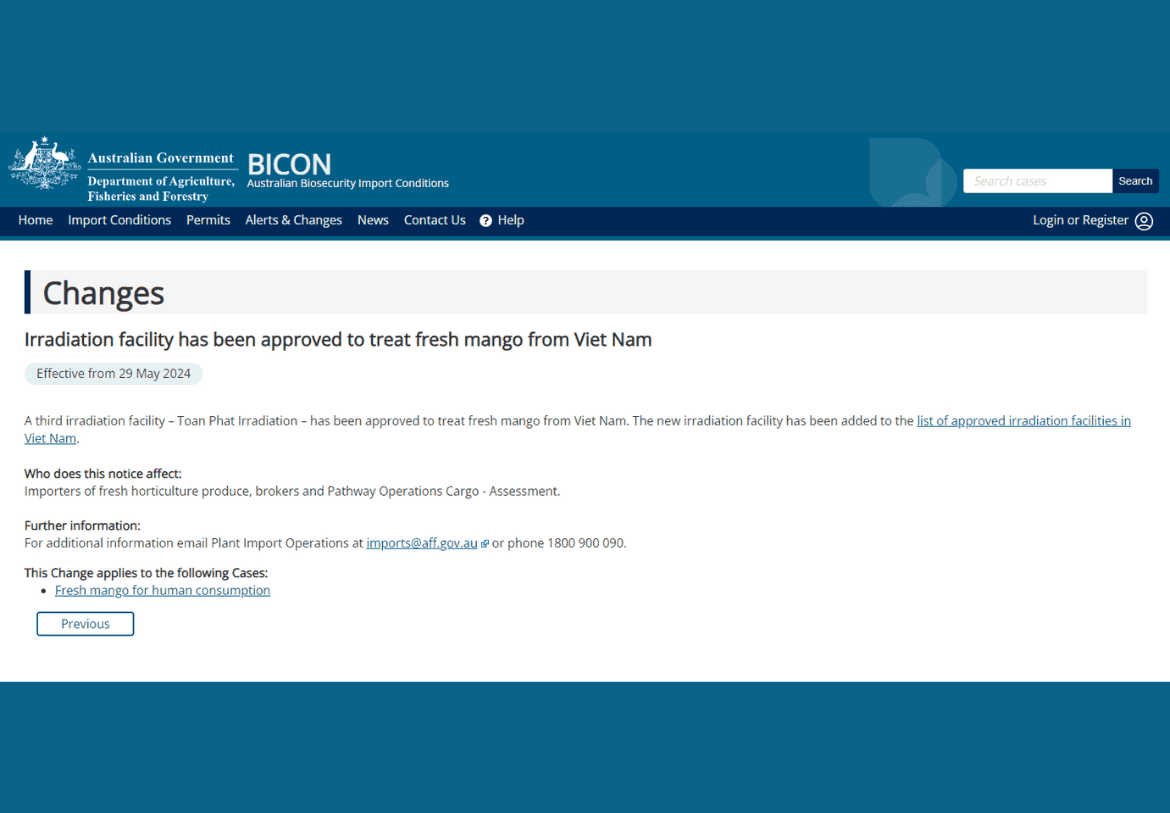
On May 29, 2024, BICON - An agency under the Australian Department of Agriculture, Fisheries and Forestry (DAFF) confirmed Toan Phat Irradiation Plant (TPI); qualified to irradiate fresh mango and longan fruit exported to this market. Australian Biosecurity Import Conditions (BICON) is a system for managing the conditions for importing goods into Australia to protect human, animal and plant health; as well as protecting the country's environment from biological threats from abroad. BICON is managed by the Australian Department of Agriculture, Fisheries and Forestry (DAFF). Recently, Toan Phat Irradiation Factory (Toan Phat Irradiation Company Limited) has worked with BICON to complete the documents; Procedures and processes for the unit to be recognized as a partner with the capacity and conditions to irradiate two fresh Vietnamese fruits, mango and longan, exported to the Australian market. Representatives and experts from the Australian Ministry of Agriculture, Fisheries and Forestry came to the field and worked directly at Toan Phat Irradiation Factory After the application process, representatives and experts from the Australian Ministry of Agriculture, Fisheries and Forestry went to the field and surveyed; Checked the operation of the irradiation system at Toan Phat Irradiation Factory on May 29, 2024, the unit was officially certified to be qualified to irradiate fresh mangoes and longans for export to this market. This is a market that is considered to have high requirements and standards for imported agricultural products; At the same time, fresh fruits must be treated with irradiation before being imported into this country to ensure Australia's biosecurity as well as high quality agricultural products when reaching consumers. Information is officially posted on BICON (https://bicon.agriculture.gov.au/) With the advantage of being an official partner of the Australian Ministry of Agriculture, Fisheries and Forestry, qualified to irradiate export of fresh mangoes and longans to Australia; Toan Phat Irradiation Factory will accompany businesses to promote Vietnam's agricultural product export activities. Especially for two types of fruit, mango and longan, which are widely grown and have very high yields. Up to now, Australia is the third market where Toan Phat Irradiation Factory has been licensed to irradiate fresh fruit for export; after the US market (licensed in October 2022) and New Zealand market (licensed in June 2023). Besides expanding the irradiation market to accompany export businesses, Toan Phat Irradiation Factory is planning to invest in a new irradiation system to increase capacity; Improve service quality and meet the highest demand for irradiation, promoting Vietnam's Agricultural and Fishery exports in the coming time. Toan Phat Irradiation Factory Hotline/Zalo (24/7): 093 100 0001 Fanpage: www.facebook.com/chieuxatoanphat Website: https://www.chieuxatoanphat.com/ Address: Lot A24-1, Ngang 1 Street, Phu An Thanh Industrial Park, An Thanh, Ben Luc, Long An
28 Mar 2026
Blog
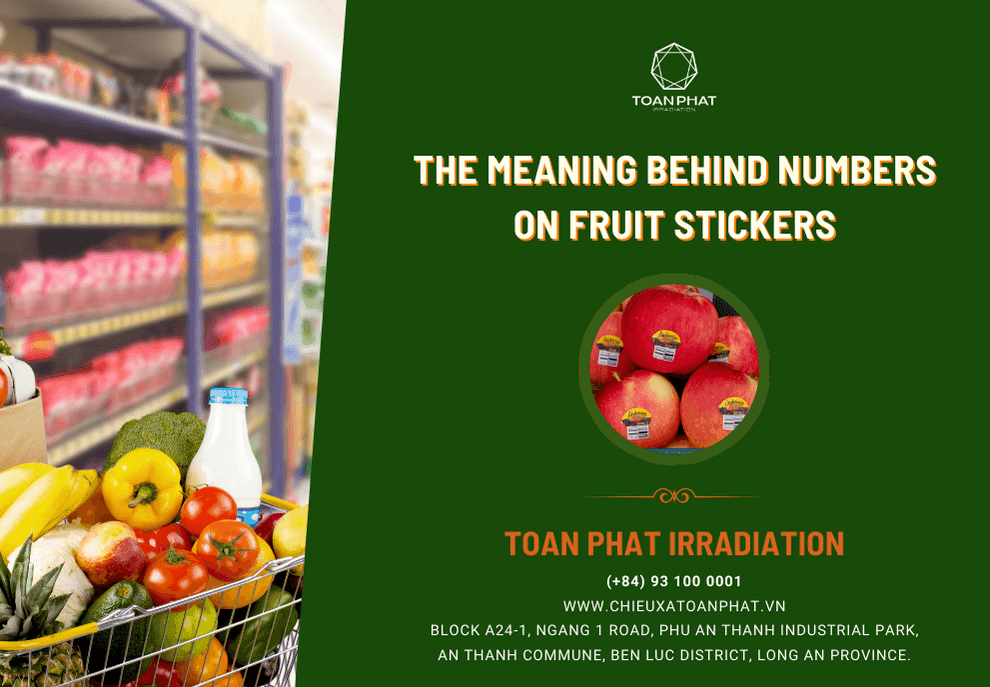
How to understand the meaning of stamps on imported fruits?
A small stamp with numbers located on the fruit can reveal to consumers a lot of information and will help choose the right product to prioritize for use. At the fruit counters of supermarkets or stores specializing in imported foods, people often see stamps on each apple, pear, orange...; But very few people know the necessary information behind those character numbers. The code on the stamp is called PLU code, short for Price Look-up. Knowing the PLU code will help you choose the foods your family prioritizes. 3###: Application of ionizing radiation If there are four numbers on the stamp, starting with the number 3, it is the symbol of fruit treated with ionizing radiation technology. This food irradiation technology uses ion radiation energy to treat food, improve food hygiene and safety and prolong food preservation time. Radiation rays have the effect of damaging genetic substrates (DNA molecules), inactivating the ability of pathogenic and harmful microorganisms to reproduce; including vegetative and spore forms, parasitic cysts and viruses. Food irradiation technology requires irradiation facilities and food processing facilities to comply with certain requirements regarding radiation dose; Product preservation specifications and conditions for storage, transportation, and processing after irradiation. The method of irradiating fresh fruits is safe and has been researched and confirmed by world-renowned organizations such as WHO, FDA, FAO, IAEA, CDC... This dosage depends on the laws of each country, for example, the US follows FDA regulations, Vietnam follows the regulations of the Ministry of Health. This is the technology being applied by Toan Phat Irradiation Plant (TPI) to handle quarantine of fresh fruits exported to the US and New Zealand markets according to the mandatory requirements of these countries. 4###: Common growing method If there are four numbers on the stamp, starting with the number 4, it is the symbol of fruit grown using conventional technology; That means using herbicides, pesticides, growth stimulants, inorganic fertilizers...; according to the correct dosage. 8####: Genetic modification If you see a five-digit stamp starting with the number 8, it is a genetically modified product. Currently, genetically modified agricultural products are controversial and facing widespread opposition, especially in the European Union and a few other Asian countries. Besides, the regulations on labeling are not completely transparent, so from theory to reality there is still a gap when no product can be found labeled with five digits, starting with the number 8 (8 ####) out on the market. 9####: Organic growing method If the stamp has five digits starting with 9, it is an organic product. Organic agricultural products are not agricultural products grown in home gardens. Currently, the European Union; The United States, Canada, Japan and many other countries require producers to obtain Organic Certification to comply with strict standards established by countries and international trade organizations, specifically could be: - Australia: NASAA - European Union: EU - Eco - India: NPOP (National Program for Organic Production) - Indonesia: BIOCert issued by the Indonesian Ministry of Agriculture - Japan: JAS - United States: National Organic Program NOP Notably, in the world today, the list of countries that have regulations and fully implement regulations on organic agriculture is increasing.
28 Mar 2026
Blog
The development of large-scale and quality cold storages adds advantages to Long An logistics activities
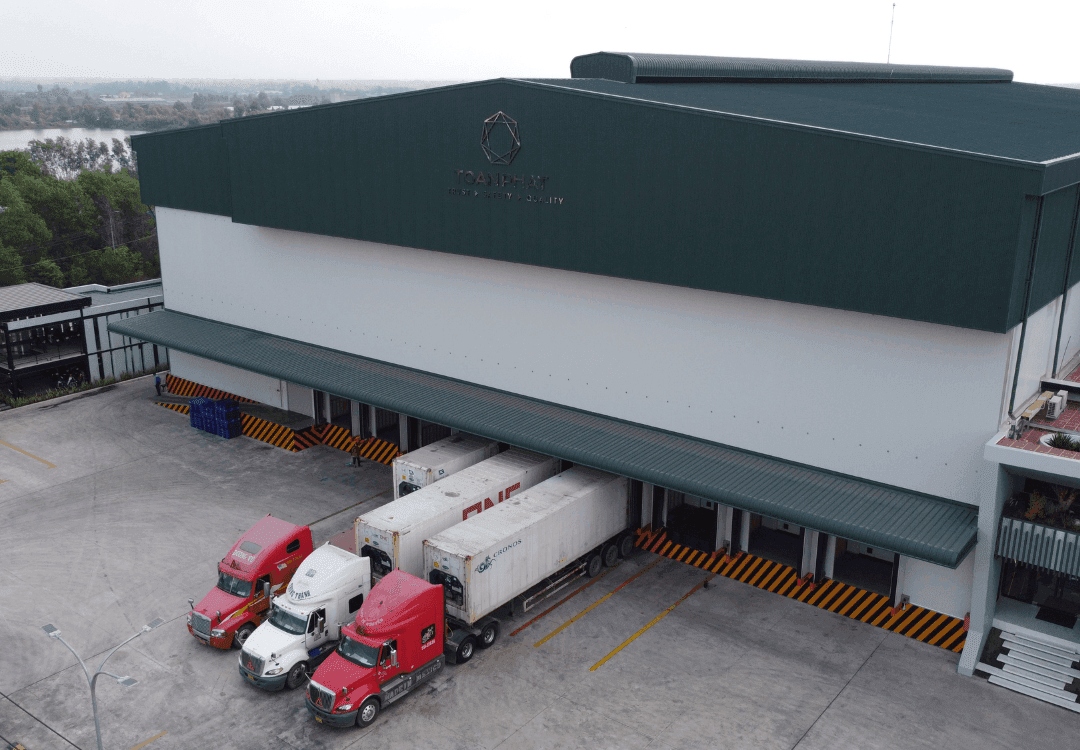
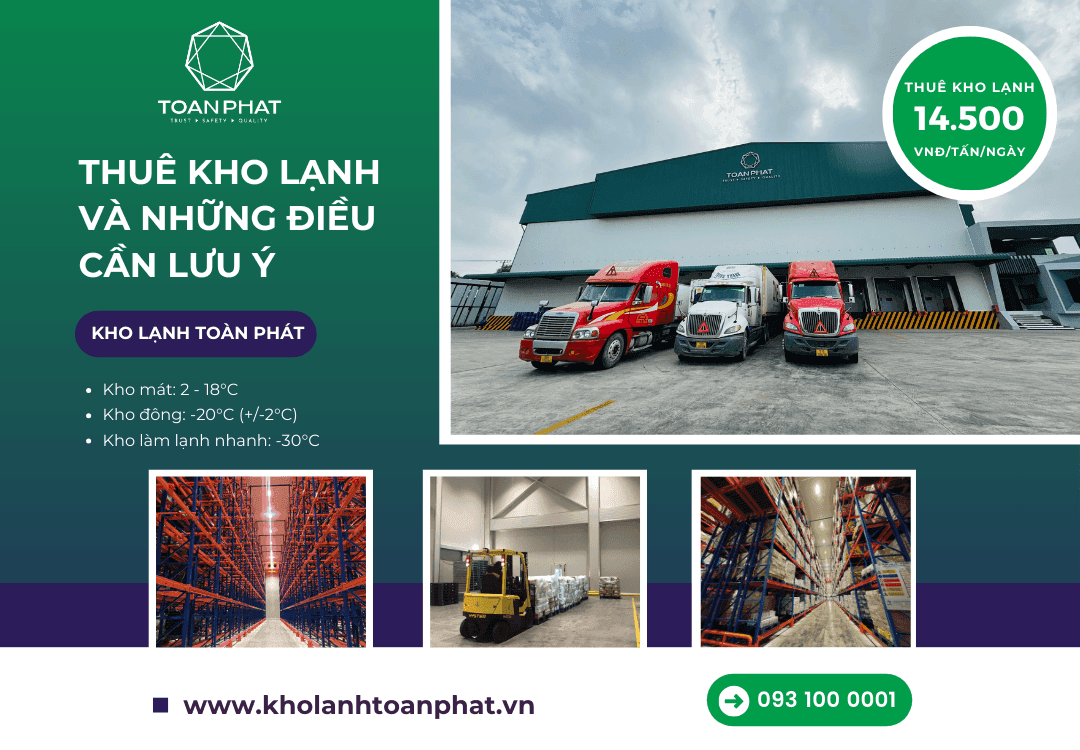
Long An is being chosen by many businesses to invest in and build large-scale and modern cold storage facilities. Thanks to that, it has contributed to increasing advantages for Long An logistics activities and supporting the import-export process of Vietnam's Agriculture and Fisheries. Development goals of Long An province Long An's goal is to strive to be the center of dynamic, effective and sustainable economic development of the southern region by 2030; becoming the gateway on the urban-industrial economic corridor of the Mekong Delta region (Mekong Delta); closely connected with Ho Chi Minh City and the Southeast region; An important focal point for cooperation and trade with Cambodia. Long An has formed economic corridors, regions, development centers and dynamic urban areas. Vision to 2050, Long An will be the country's leading industrial development province, becoming one of the important economic growth poles of the Mekong Delta region; has a level of development equivalent to the well-developed provinces of the Southeast region. Regarding the service industry, Long An strives to become a province with a developed service industry on par with the group of well-developed provinces in the Southeast region by 2030. Long An will develop trade in a civilized and modern direction; develop logistics services into an important economic sector of the province; making Long An a gateway, goods transit center, and warehouse connecting provinces in the Mekong Delta with Ho Chi Minh City, the Southeast region and the Cambodian market; focal point for exporting agricultural products of the Mekong Delta region (Longan.gov.vn). Forming a large-scale cold storage system in Long An Currently, the increasing demand for fresh food and e-commerce are the main driving forces driving the boom in the cold storage market - a niche segment of logistics. Develop advantages for logistics activities and industrial development advantages of Long An. Putting into operation large-scale cold storage will meet the needs of preserving and storing goods, creating advantages for logistics activities of Long An province and the Mekong Delta region. Contribute to the orientation of developing logistics services into an important economic sector of Long An province with the goal of 2030; making Long An a gateway; goods transshipment center and warehouse connecting provinces in the Mekong Delta with Ho Chi Minh City, the Southeast region and the Cambodian market; focal point for exporting agricultural products in the Mekong Delta region. Toan Phat Refrigerated Warehouse Project (Long An) has a total area of 10,000 m2, capacity of 12,000 positions; including a 2°C-18°C cool storage, a -20°C (+/-2°C) freezer and a -30°C quick-cooling storage; along with 9 dock doors and yard area for trucks and tractors to import and export goods. Diverse types of warehouses, possessing modern refrigeration systems and applying technology in operational management; Toan Phat Refrigerated Warehouse improves the quality of storage and preservation of goods and optimizes the service provision process. In order for this field to meet the increasing needs and requirements of Agriculture and Fishery import-export businesses, cold storage investors need to focus on smart, modern technology. This is a very important consideration for businesses and business units when interested in cold storage facilities. At the same time, cold storages need to be researched and invested in at convenient locations to form a complete logistics network, contributing to promoting effective circulation of goods and supporting the development of the Vietnamese economy. TOANPHAT Group is also a unit that is implementing the orientation of becoming a Logistics center (Logistics HUB) providing services in 03 areas: Irradiation - Cold storage - Transportation to effectively support Vietnam's Agriculture and Fisheries import-export industry. Toan Phat Refrigerated Warehouse with a storage capacity of 12,000 tons has been built next to the Toan Phat Irradiation Plant with a total capacity of 35,000 tons/year. Each entity in the logistics network plays an important role; Domestic and international logistics service providers, freight forwarders, shipping lines, operating warehouses and transport companies... need to be improved, integrated with technology and digitally transformed, with the linked and complemented each other. Contributing to creating a more comprehensive and sustainable logistics ecosystem, leading Vietnam's economy to grow strongly and integrate more deeply into the global trade network.
28 Mar 2026
Blog
Renting cold storage for food preservation and important considerations
When renting cold storage for food preservation, businesses need to consider many factors to ensure that the provider meets the requirements for storage conditions and food safety. Here are important factors to consider when using cold storage rental services for food preservation to find a reputable provider for long-term cooperation, helping to maintain stable operations and effective business. Temperature and Humidity Different types of food need to be stored at appropriate temperatures and humidity levels. Frozen food is usually stored in cold storage at temperatures from -18°C. Pre-processed food is generally kept at temperatures from -10°C to -5°C. Fresh foods like fruits and vegetables, beverages, and foods processed from agricultural products can be stored in cool storage at temperatures from 0°C to 15°C. The temperature and humidity of the storage must meet the preservation requirements of each specific type of food. This is a crucial condition for maintaining the quality of various types of food. Additionally, the temperature and humidity control system must be stable and accurate to ensure a safe storage environment, allowing the products to be preserved for a long time and remain fresh. Cold storage -20°C (+/-2°C) at Toan Phat Refrigerated Warehouse (Long An) Convenient location Manufacturers and exporters should choose cold storage facilities located near distribution points or business areas to reduce transportation costs and delivery time. A convenient location that connects to transportation networks and access to assembly points and export port systems is crucial to facilitate easy, fast transport, saving time, and enhancing the business's competitive advantage. Modern infrastructure and equipment The infrastructure and equipment systems, such as refrigeration systems, ventilation and air circulation systems, and humidity control systems of the cold storage facility, need to be fully equipped, modern, and intelligent. The facility should have an alert system to prevent and minimize issues in case of incidents. Ensuring food safety and hygiene standards The cold storage facility must comply with food safety and hygiene standards and have certifications from relevant authorities confirming it meets safety conditions for storage. There should be regular cleaning procedures in place to ensure a clean environment, free of pests, and minimize the presence of bacteria that can spoil and cause the loss of goods. Toan Phat Refrigerated Warehouse (Long An) achieves Certification for Food Safety Compliance Effective goods management The facility has a professional management system for goods receipt and dispatch, utilizing the first-in, first-out (FIFO) principle to ensure food remains fresh. A warehouse management software is used to effectively track and control inventory. Additionally, the cold storage facility must be equipped with a modern security system, including surveillance cameras, alarm systems, 24/7 security guards, and stringent access control procedures to ensure the safety of goods and the confidentiality of business information. Reasonable rental costs Customers can compare rental prices among different cold storage facilities to choose one with reasonable costs. However, it is essential to consider the aforementioned factors to ensure the best storage service quality. Furthermore, additional fees such as goods receipt/dispatch fees, packaging replacement fees, electricity fees, container loading fees, etc., should be clarified before renting the storage. Clear rental contract The terms in the cold storage rental contract need to be clearly and transparently stated. Carefully reading and understanding the agreements in the contract, including conditions on payment, insurance, maintenance, the rights and obligations of both parties, and reviewing terms on the rental duration (with options for short-term or long-term rental based on business needs) will ensure an effective rental process and cooperation between the customer and the service provider. By carefully considering the above factors, customers can choose a suitable cold storage facility that ensures the quality of food preservation and the business efficiency of the company. Toan Phat Refrigerated Warehouse Hotline: (+84) 93 100 0001 Fanpage: www.facebook.com/kholanhtoanphat Website: www.kholanhtoanphat.vn Address: Lot A24-2, Ngang 1 Street, Phu An Thanh Industrial Park, An Thanh, Ben Luc, Long An
28 Mar 2026
Blog
Latest developments in food irradiation technology are helping to improve safety and facilitate global trade
“Food irradiation technology is advancing, helping to ensure food safety and facilitate international trade,” said a panel discussion at the International Symposium on Food Safety and Control at the International Atomic Energy Agency ( IAEA) headquarters in Vienna. At the International Symposium on Food Safety and Control hosted by the International Atomic Energy Agency (IAEA) in Vienna, experts discussed advances in nuclear technology for food and agriculture, contributing to food security and sustainable agricultural development. The IAEA and the Food and Agriculture Organization of the United Nations (FAO) are leading the development of food irradiation technology, with the goal of eliminating harmful bacteria and enhancing food safety globally. Food irradiation uses gamma rays, electron beams (E-Beams) or X-rays to kill microorganisms and pests without affecting the nutritional value, taste, or overall quality of the product. This technology extends the shelf life of perishable items and inhibits the growth of bacteria that cause food spoilage. Food experts from Asian and Pacific countries participate in an IAEA-sponsored food irradiation facility visit (C. Blackburn, FAO/IAEA). A prominent trend in this field is the shift to using mechanical sources such as electron beam generators or X-rays. This method uses electricity to generate beams that can be turned on and off on demand, providing advantages in safety and economic efficiency. Compared to traditional gamma irradiation, mechanical sources allow for better process control, and do not require the use of radioactive isotopes. Therefore, in addition to ensuring safety in the irradiation process, it also helps to expand the scope of application of food irradiation, especially for sensitive products such as raw meat, spices, eggs in shell, etc. “Recent advances in food irradiation technology have improved the efficiency and effectiveness of this method, while ensuring safety without compromising food quality. This demonstrates the great potential we have to significantly reduce the use of chemicals for food preservation. Nuclear science and technology provide innovative and practical solutions to ensure food security and improve public health,” said Carl Blackburn, Food Irradiation Specialist at the FAO/IAEA Centre for Nuclear Techniques in Food and Agriculture. Collaborative research initiatives, such as those at Tsinghua University in China and Texas A&M University in the US, are pioneering the optimization of irradiation processes and developing new applications to ensure food safety. Countries such as Vietnam, China, and the US have benefited from these technologies, with Vietnam successfully exporting fresh fruit to the US and Australia, thanks to irradiation technology. The IAEA and FAO are also supporting member states to expand and apply irradiation technology, to reduce food loss, prevent foodborne diseases, and promote international trade. These efforts are closely coordinated with the International Plant Protection Convention (IPPC) and the Codex Alimentarius Commission to harmonize food irradiation standards worldwide, ensuring that safe and high-quality food reaches consumers worldwide. E-Beam Irradiation System Operation Center using Electron Beam at Toan Phat Irradiation Plant References: Cơ quan Năng lượng Nguyên tử Quốc tế (IAEA) Toan Phat Irradiation Factory Hotline/Zalo (24/7): 093 100 0001 Website: www.chieuxatoanphat.vn Fanpage: www.facebook.com/chieuxatoanphat Address: Lot A24-1, Ngang 1 Street, Phu An Thanh Industrial Park, An Thanh, Ben Luc, Long An
28 Mar 2026
Blog
Industrial cold storage rental near Ho Chi Minh City
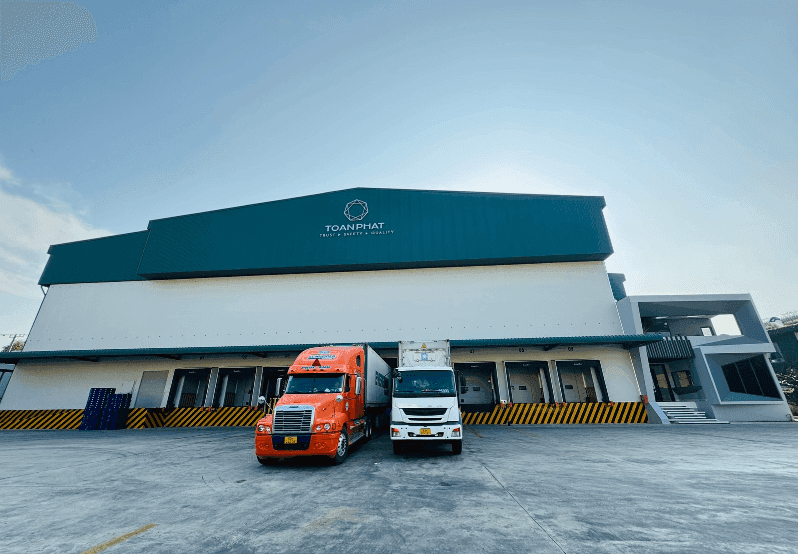
Toan Phat Refrigerated Warehouse (Long An) offers industrial cold storage rental services near Ho Chi Minh City, providing convenient connections to the Southwestern provinces and easy access to the international seaport system in the Southern region. Quick Connection to Ho Chi Minh City Ho Chi Minh City is a major, dynamic, and modern economic center with the highest number of active enterprises in the country. Additionally, it is home to Tan Son Nhat International Airport, facilitating travel and the import-export of goods overseas. Therefore, a quick connection to Ho Chi Minh City is crucial and a priority condition for businesses when selecting a partner and implementing their business activities. Combining the unique characteristics of the cold storage industry, investors aim to build large-scale, modern cold storages that can easily connect with transport hubs and infrastructure serving the import-export of agricultural and aquatic products to meet business needs. With this in mind, Toan Phat Refrigerated Warehouse (12,000 tons capacity) was built by TOANPHAT Group (TPG) in Phu An Thanh Industrial Park, Ben Luc, Long An, adjacent to Toan Phat Irradiation Factory, to provide cold storage rental and irradiation services for export and distribution businesses in the agricultural and aquaculture sectors. Toan Phat Refrigerated Warehouse (Long An) is located at the Trung Luong - Ben Luc Highway junction, just 3km from National Route 1A, bordering Binh Chanh district, 60 minutes (36km) from the center of Ho Chi Minh City, and 80 minutes (42km) from Tan Son Nhat International Airport. In the near future, it will directly connect to the Ben Luc - Long Thanh Highway when it becomes operational. A Hub Connecting to the Southwestern Provinces For Vietnam's agricultural and aquaculture export sector, in addition to prioritizing connections with Ho Chi Minh City, easy connectivity to the Southwestern region is crucial. This region is the largest concentration of aquaculture and fruit cultivation in terms of both production and value. Therefore, cold storage rental services, as part of the supply chain for the agricultural and aquaculture industry, need convenient connections to both Ho Chi Minh City and the Southwestern provinces. Located in Long An, Toan Phat Refrigerated Warehouse meets the connectivity requirements for both the Southeastern and Southwestern regions. Businesses involved in the production and distribution of agricultural and aquatic products in the Southwestern provinces will find it convenient to transport goods for storage at the cold storage. Convenient Connection to the International Seaport System of the Region Furthermore, cold storage facilities must be conveniently connected to the international seaport system to support export activities. Besides quick connections to Tan Son Nhat International Airport, Toan Phat Refrigerated Warehouse (Long An) is located in an area with complete transportation infrastructure, facilitating the movement of goods due to government focus on upgrades to encourage business investment in Long An, making it a dynamic, efficient, and sustainable economic center in the South. Toan Phat Refrigerated Warehouse is approximately 55 minutes (35km) from Hiep Phuoc Port, 65 minutes (40km) from Cat Lai Port and Long An International Port, and 130 minutes (95km) from Cai Mep Port, making it convenient for businesses to transport goods to international seaports for export. With a scale of 10,000m², a total of 12,000 pallets, a cool storage range of 2°C - 18°C, a cold storage range of -20°C (+/-2°C), and a quick-freeze storage -30°C, Toan Phat Refrigerated Warehouse (Long An) provides industrial cold storage rental services near Ho Chi Minh City, conveniently connecting to the Southwestern provinces and easily moving to the international seaport system of the Southern region. Toan Phat Refrigerated Warehouse Hotline/Zalo (24/7): (+84) 93 100 0001 Fanpage: www.facebook.com/kholanhtoanphat Website: www.kholanhtoanphat.vn Address: Block A24-2, Ngang 1 Street , Phu An Thanh Industrial Park, An Thanh, Ben Luc, Long An
28 Mar 2026
Blog
Food irradiation helps control dangerous disease-causing microorganisms
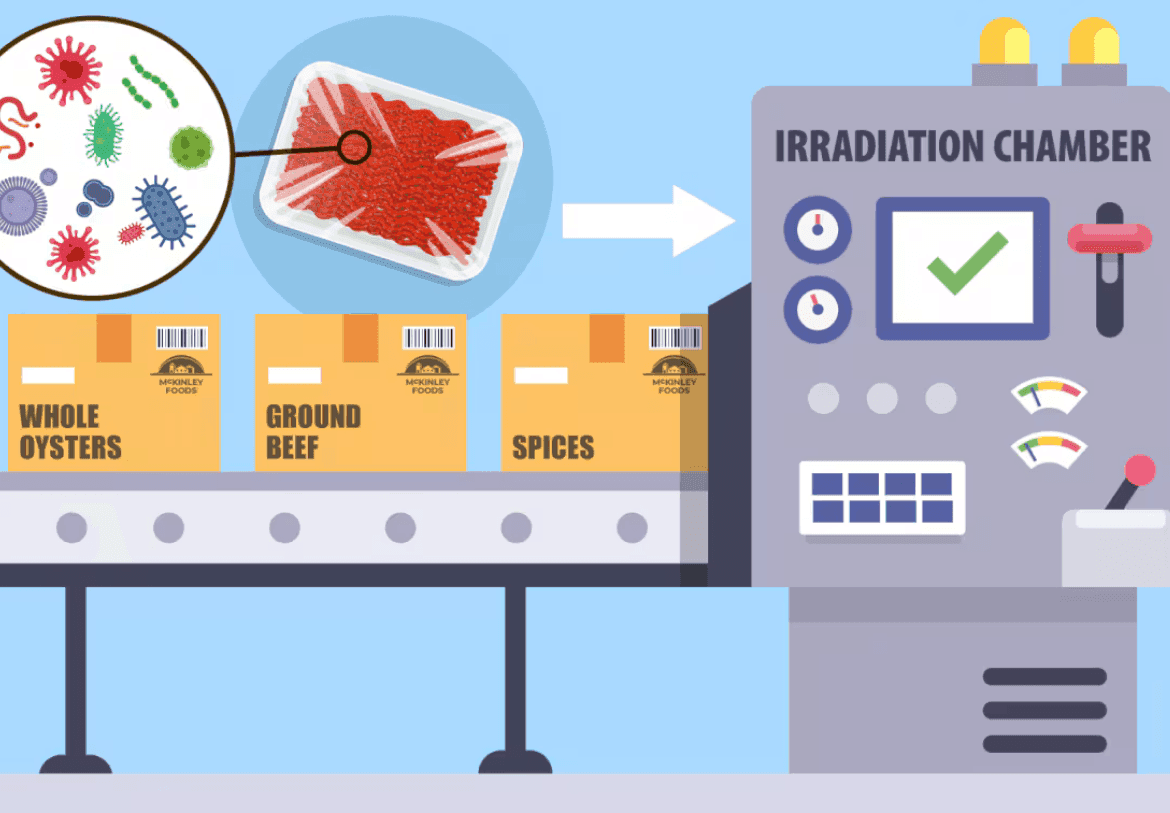
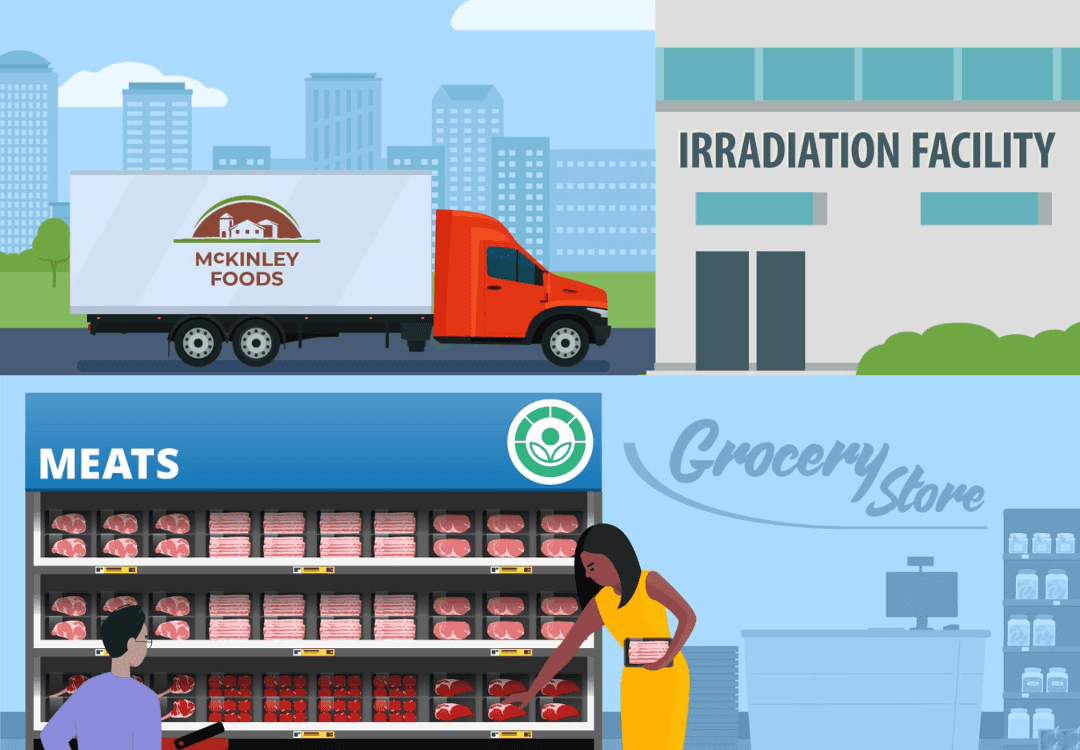
Pathogenic microorganisms in food threaten consumer health, cause economic loss and affect the reputation of food businesses. In the context of modern technology, food irradiation is considered an effective weapon against pathogenic microorganisms and avoids heavy losses. Pathogenic microorganisms in food Pathogenic microorganisms in food today are very diverse and can cause many serious health problems. Some common microorganisms commonly found in food include: E.coli, Salmonella, Trichina, Vibrio, Campylobacter...; If the food has not been processed or processed improperly; These microorganisms can cause serious health problems such as diarrhea, enteritis and blood poisoning, some of which can be fatal. Therefore, controlling production and processing processes to prevent bacteria; Microorganisms in food have become an important factor in food safety management, avoiding affecting consumer health, causing economic loss and affecting the reputation of food businesses. In the context of modern technology, food irradiation is considered an effective weapon against microorganisms that cause food poisoning and avoids unnecessary losses to human health and goods. Food irradiation is safe for consumers Food irradiation is a technology that uses ionizing radiation energy to treat fruit and many types of fresh, processed and frozen foods to improve hygiene and food safety. Irradiated food has been proven to be benign and bring great socio-economic benefits. Reputable organizations such as WHO, FDA, FAO, IAEA, CDC... have researched and confirmed the safety of irradiated food. Irradiated foods will be labeled with the Radura symbol If freezing only has the ability to inhibit the growth of microorganisms, radiation has the effect of damaging the genetic substrate (DNA molecules), inactivating the ability of microorganisms to reproduce. Thanks to that, after irradiation, microorganisms that cause disease in humans and microorganisms that are harmful to food are inactivated. The interaction process between radiation and food helps kill bacteria but does not cook, does not lose nutrients and does not deform plastic food packaging... Thanks to those effects, food Irradiation becomes more hygienic and safe, nutritional quality is stable, food shelf life is longer; Facilitate the storage and distribution of food to distant, out-of-season markets. Irradiation before food is exported for consumption is an effective quarantine measure that significantly contributes to preventing the spread, reducing human and economic losses. Food pasteurization today has become a popular method in Europe and North America. In particular, in some countries such as the United States, Australia, New Zealand... imported fresh fruits are required to be irradiated. Besides effectively eliminating the bacteria that cause food poisoning, making millions sick and sending thousands to the hospital each year; Irradiation also helps destroy microorganisms that cause spoilage, decomposition and prolongs the shelf life of food. Delays the germination and ripening process of fruits and vegetables, helping to control and neutralize insects on fruits imported into countries. Food irradiation treatment at Toan Phat Irradiation Factory However, it is similar to food processing and preservation technologies using chemicals or heat. Food irradiation technology also requires irradiation facilities and food processing production facilities to comply with certain requirements such as: irradiation dose, product specifications, storage conditions; Transporting and processing food after irradiation. References: U.S. Environmental Protection Agency Toan Phat Irradiation Hotline/Zalo (24/7): 093 100 0001 Website: www.chieuxatoanphat.vn Fanpage: www.facebook.com/chieuxatoanphat Địa chỉ: Lot A24-1, Ngang 1 Street, Phu An Thanh Industrial Park, An Thanh, Ben Luc, Long An
28 Mar 2026
Blog
The demand for safe food drives the global irradiation market
According to Future Market Insights, the irradiated food market has grown from USD 263.2 million in 2018 to USD 300 million in 2022, with a compound annual growth rate (CAGR) of 6%. The market is expected to continue growing to USD 336 million by 2028 and USD 398.66 million by 2030. Food irradiation is the process of using gamma rays, electron beams, and X-rays to sterilize, disinfect, and preserve food. This process aims to eliminate insects, bacteria, and parasites present in food, thereby enhancing food safety and extending shelf life. Food irradiation technology is widely used to treat various types of food, including meat, seafood, fruits, vegetables, and spices. Factors driving the global irradiation market - Increasing foodborne illnesses According to a report by the U.S. Department of Health and Human Services (HHS) in August 2020, there are approximately 48 million cases of foodborne illnesses annually, affecting 1 in 6 Americans. Each year, these illnesses are predicted to cause 128,000 hospitalizations and 3,000 deaths. In Vietnam, according to Hanoi Agri Cert, there are about 250-500 food poisoning cases annually, with 7,000-10,000 victims and 100-200 deaths. The causes include: 29% due to food contaminated with microorganisms; 8.3% due to chemicals; 29% due to food containing natural toxins; and 33% of cases with unidentified causes. - Increased awareness of health and food safety With the rising numbers of food-related illnesses, concerns about food safety are growing in the community. Consumers worldwide are becoming more conscious and aware of health and food safety. Consequently, people today choose their food more carefully, which has driven the continued expansion of the food irradiation market. - Benefits of advanced irradiation technology The benefits of food irradiation technology, such as eliminating pathogenic microorganisms, reducing the use of chemical disinfectants, and extending shelf life, have contributed to its acceptance. Additionally, reputable organizations like WHO, FAO, FDA, IAEA, and CDC have conducted studies and assessed the safety of irradiated food, which has increased trust among modern consumers. This is one of the main factors driving the growth of the global irradiation market. In which markets is food irradiation thriving? - Asia-Pacific dominates the global market According to Cognitive Market Research, the Asia-Pacific region dominated the irradiated food market in 2022, accounting for over 37.56% of global revenue due to various factors. Most APAC countries have ratified the Regional Cooperation Agreement for Research, Development, and Training related to Nuclear Science and Technology (RCA) supported by FAO and IAEA. Under this project, 11 member countries from the Asia-Pacific region have begun collaborating to harmonize regulations related to food irradiation. Recently, Australia and New Zealand have unified their food management frameworks, including radiation processing. Most countries in the region have ratified the Codex General Standard and the Codex Code of Practice to regulate the commercial irradiation of food. Australia and New Zealand are gradually becoming important trade partners for Vietnam’s agricultural and aquatic exports. These are also potential markets for exporting fresh fruit, with a mandatory requirement for fresh Vietnamese fruits to undergo irradiation treatment before import. - The U.S. market will grow the fastest According to Cognitive Market Research, the U.S. food irradiation market is expected to grow in the coming years due to increasing consumer demand for safer and more sustainable food products. One of the main challenges is consumer perception that irradiated food is unnatural. However, with studies, evaluations, and tests from reputable global organizations such as WHO, FAO, FDA, IAEA, and CDC, consumers have become more reassured and willing to use irradiated food. According to Future Market Insights, the U.S. food irradiation market was valued at approximately USD 199.4 million in 2021 and is expected to reach USD 540.9 million by 2033, with a compound annual growth rate (CAGR) of about 5.0% during the forecast period. With significant growth in recent years and expected continued strong development in the future, the U.S. will be a potential and favorable market for Vietnam’s agricultural and aquatic exports in the coming time. Toan Phat Irradiation reduces irradiation service fees by 6% - "Break Through Together – Ride The Waves, Reaching Far with Vietnamese Export Enterprises With benefits such as food irradiation helping to preserve the nutritional value of processed foods while extending their shelf life; reducing the risk of foodborne illnesses; and today's consumers preferring processed foods because, compared to fresh foods, processed products are more convenient and have longer shelf lives... These factors have impacted and driven the growth of the global irradiation market. References : Future Market Insights, Cognitive Market Research Company, Intellect Insights Journal Toan Phat Irradiation Hotline: (+84) 93 100 0001 Fanpage: www.facebook.com/chieuxatoanphat Website: http://www.chieuxatoanphat.vn/ Address: Block A24-1, Ngang 1 Street, Phu An Thanh Industrial Park, An Thanh Commune, Ben Luc District, Long An Province