Latest developments in food irradiation technology are helping to improve safety and facilitate global trade
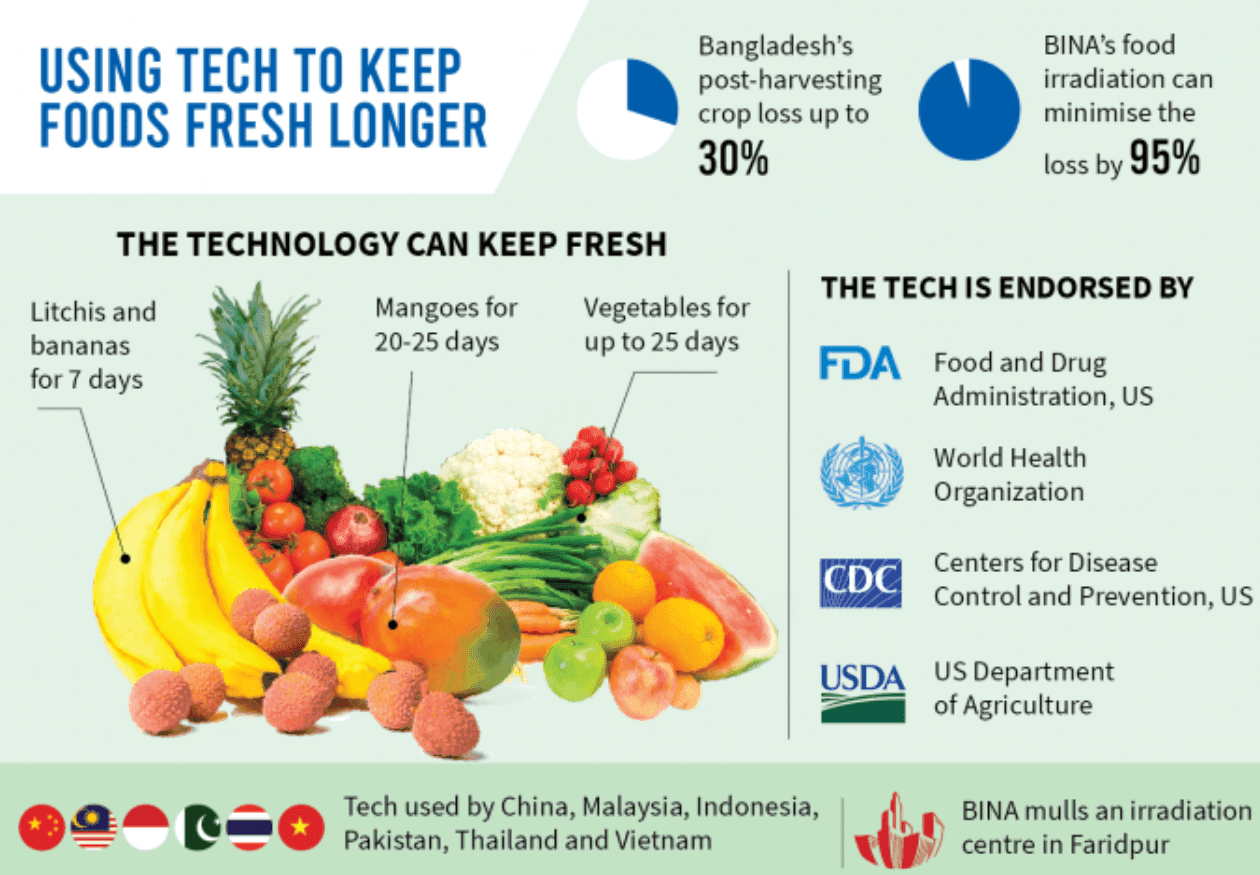
“Food irradiation technology is advancing, helping to ensure food safety and facilitate international trade,” said a panel discussion at the International Symposium on Food Safety and Control at the International Atomic Energy Agency (IAEA) headquarters in Vienna.
At the International Symposium on Food Safety and Control hosted by the International Atomic Energy Agency (IAEA) in Vienna, experts discussed advances in nuclear technology for food and agriculture, contributing to food security and sustainable agricultural development.
The IAEA and the Food and Agriculture Organization of the United Nations (FAO) are leading the development of food irradiation technology, with the goal of eliminating harmful bacteria and enhancing food safety globally. Food irradiation uses gamma rays, electron beams (E-Beams) or X-rays to kill microorganisms and pests without affecting the nutritional value, taste, or overall quality of the product. This technology extends the shelf life of perishable items and inhibits the growth of bacteria that cause food spoilage.
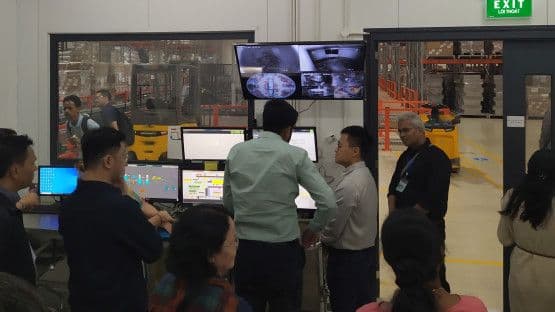
Food experts from Asian and Pacific countries participate in an IAEA-sponsored food irradiation facility visit (C. Blackburn, FAO/IAEA).
A prominent trend in this field is the shift to using mechanical sources such as electron beam generators or X-rays. This method uses electricity to generate beams that can be turned on and off on demand, providing advantages in safety and economic efficiency. Compared to traditional gamma irradiation, mechanical sources allow for better process control, and do not require the use of radioactive isotopes. Therefore, in addition to ensuring safety in the irradiation process, it also helps to expand the scope of application of food irradiation, especially for sensitive products such as raw meat, spices, eggs in shell, etc.
“Recent advances in food irradiation technology have improved the efficiency and effectiveness of this method, while ensuring safety without compromising food quality. This demonstrates the great potential we have to significantly reduce the use of chemicals for food preservation. Nuclear science and technology provide innovative and practical solutions to ensure food security and improve public health,” said Carl Blackburn, Food Irradiation Specialist at the FAO/IAEA Centre for Nuclear Techniques in Food and Agriculture.
Collaborative research initiatives, such as those at Tsinghua University in China and Texas A&M University in the US, are pioneering the optimization of irradiation processes and developing new applications to ensure food safety. Countries such as Vietnam, China, and the US have benefited from these technologies, with Vietnam successfully exporting fresh fruit to the US and Australia, thanks to irradiation technology.
The IAEA and FAO are also supporting member states to expand and apply irradiation technology, to reduce food loss, prevent foodborne diseases, and promote international trade.
These efforts are closely coordinated with the International Plant Protection Convention (IPPC) and the Codex Alimentarius Commission to harmonize food irradiation standards worldwide, ensuring that safe and high-quality food reaches consumers worldwide.
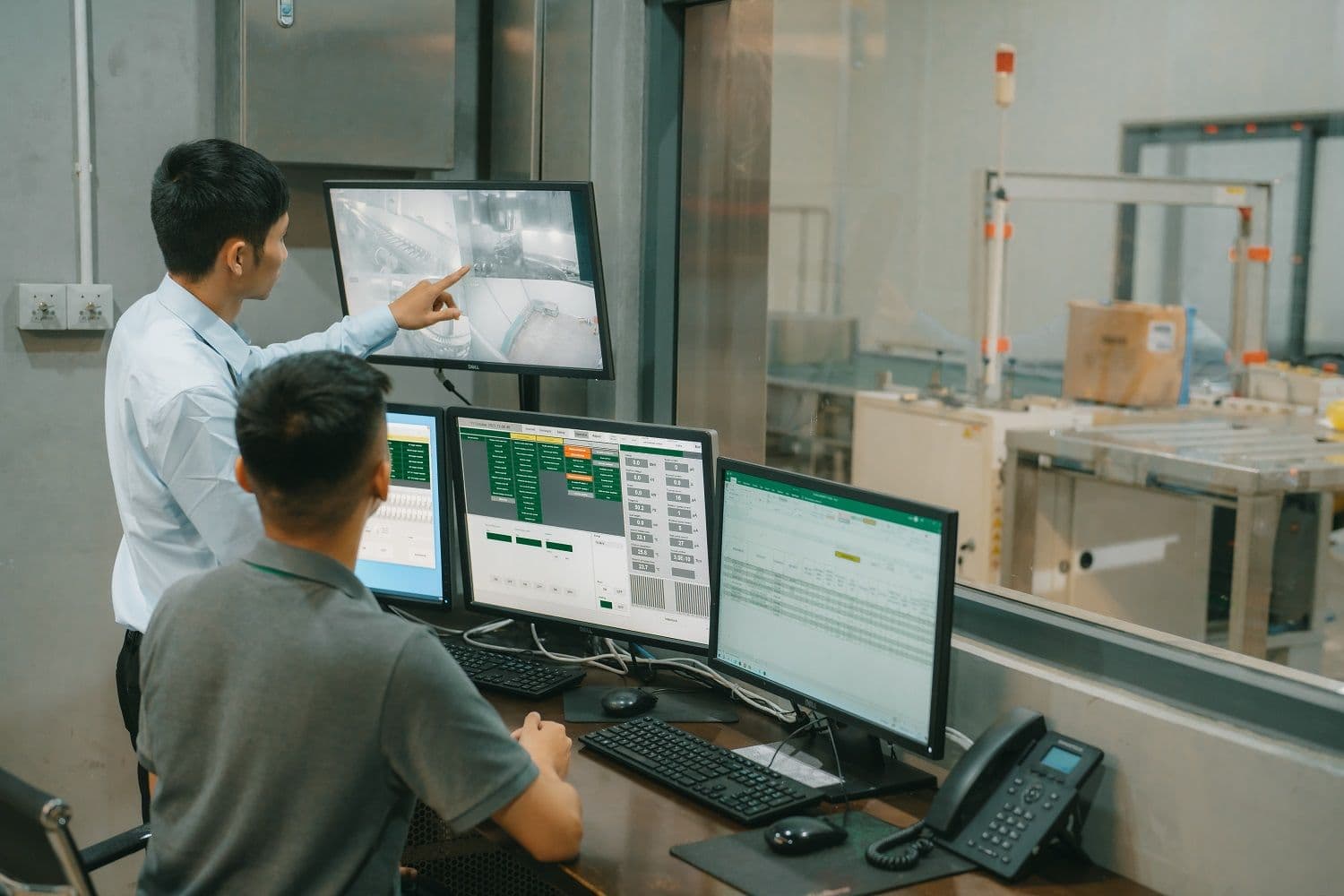
E-Beam Irradiation System Operation Center using Electron Beam at Toan Phat Irradiation Plant
References: Cơ quan Năng lượng Nguyên tử Quốc tế (IAEA)
Toan Phat Irradiation Factory
Hotline/Zalo (24/7): 093 100 0001
Website: www.chieuxatoanphat.vn
Fanpage: www.facebook.com/chieuxatoanphat
Address: Lot A24-1, Ngang 1 Street, Phu An Thanh Industrial Park, An Thanh, Ben Luc, Long An