How can fresh fruit travel more than 15,000 km and still preserve its natural flavor ?
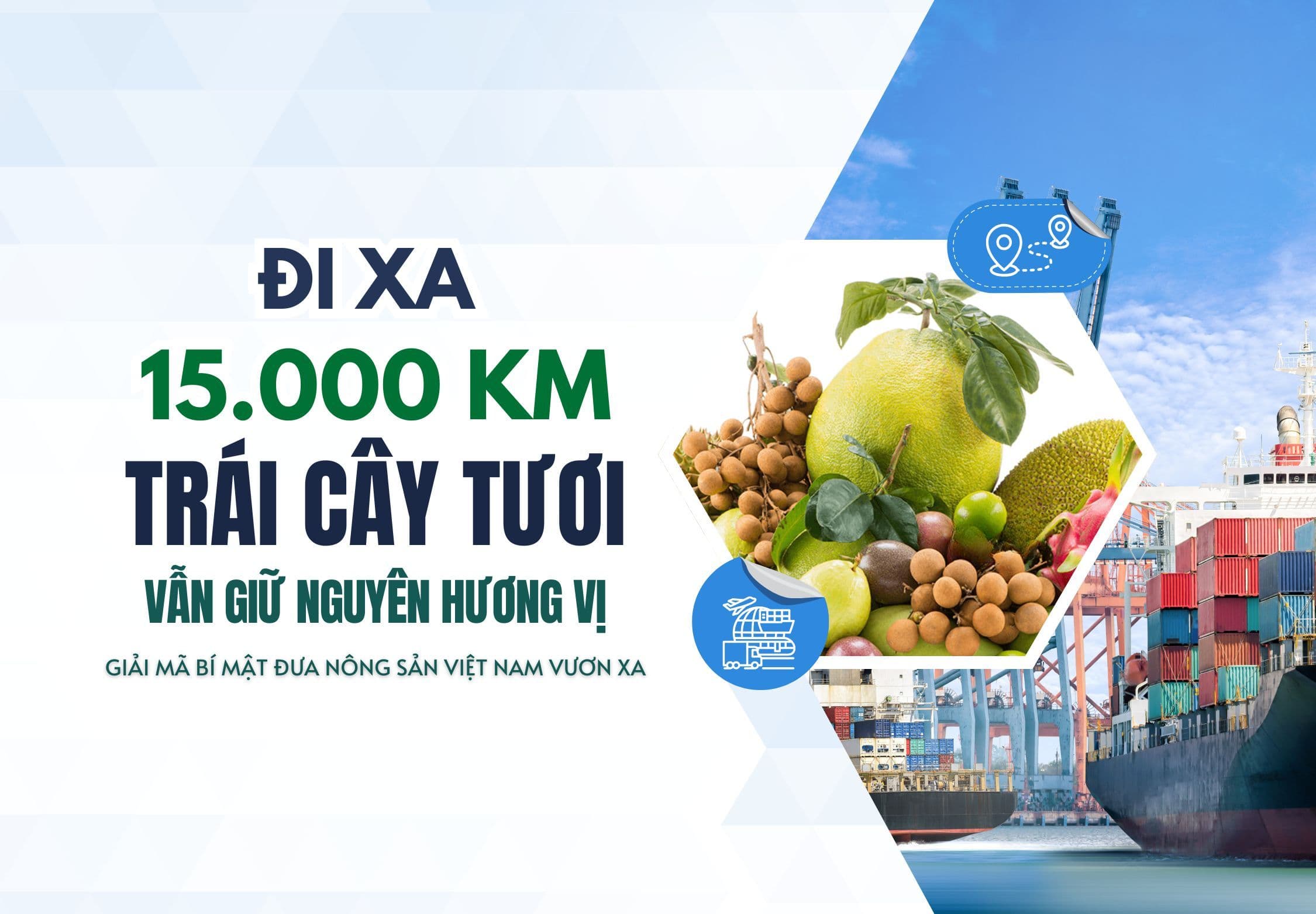
Decoding the technology behind Vietnam’s agricultural exports reaching global markets
In recent years, Vietnamese fresh fruit has increasingly appeared in distant markets such as the United States, Australia, and New Zealand.
What makes this noteworthy is not only the long journey more than 15,000 kilometers but the fact that fruits such as mangoes, longans, lychees, and pomelos still arrive with their freshness, color, texture, and natural flavor largely intact.
Behind this success is the application of modern post-harvest technologies, in which irradiation plays a particularly important role.
Export journeys and the hidden challenges along the way
Exporting fresh fruit to international markets involves numerous challenges. Once harvested, fruit begins a natural ripening and aging process. Enzymatic activity gradually softens the flesh, changes color, and accelerates spoilage over time.
During long-distance transportation, temperature fluctuations, humidity, and extended transit times increase the risk of quality deterioration. In addition, microorganisms and molds present on the fruit surface may continue to develop, even under cold storage conditions.
A major challenge comes from quarantine requirements. Markets such as the United States, Australia, and New Zealand apply extremely strict phytosanitary standards, with zero tolerance for live insects, eggs, or larvae. Just one violation can result in the rejection of an entire shipment.
Therefore, refrigeration alone is not sufficient to ensure that fresh fruit can travel over 15,000 km while maintaining quality. A more advanced technological solution is required to control pests, microorganisms, and ripening simultaneously.
Irradiation: post-harvest technology that allows fruit to “travel far without aging”
Food irradiation is one of the most effective post-harvest treatment methods currently applied to fresh fruit for export. This technology uses ionizing radiation to deactivate microorganisms, inhibit insect eggs and larvae, and slow down the ripening process.
Depending on the technology used Gamma rays, Electron Beam (E-Beam), or X-ray irradiation affects the DNA of pests and microorganisms, preventing their growth and reproduction. At the same time, enzymatic activity responsible for ripening and spoilage is reduced.
As a result, fruit maintains its firmness, color, and sensory qualities, while shelf life is significantly extended, without altering nutritional value or taste.
Irradiation helps exporters reduce quarantine risks, improve consistency in quality, and enable longer transportation routes, including sea freight, while still meeting market requirements.
Irradiation: A mandatory requirement in high-standard markets
Irradiation is not only a quality-enhancing solution but also a mandatory phytosanitary requirement for many high-standard import markets. International organizations such as the World Health Organization (WHO) have confirmed that food irradiation is safe and effective.
In markets such as the United States, Australia, and New Zealand, irradiation is required for many categories of imported fresh fruit to prevent the introduction of invasive pests. Each market has its own approved product list and technical protocols.
As a result, exporters must ensure compliance across the entire post-harvest chain, including cold storage, transportation, irradiation treatment, and customs clearance.
Toan Phat Irradiation Factory: A technological gateway for Vietnamese fruit
In Vietnam, Toan Phat Irradiation (TPI) is one of the limited facilities approved by authorities in the United States, Australia, and New Zealand to conduct irradiation treatment for exported fresh fruit. TPI operates modern irradiation systems that meet international technical standards and can handle various types of agricultural products. Its processing capacity and standardized procedures support exporters in meeting quarantine requirements before shipment. Located at the gateway of the Mekong Delta, TPI also integrates irradiation with cold storage and logistics services, allowing exporters to streamline operations, reduce risks, and optimize costs. This integrated model helps businesses shorten handling time, manage peak harvest seasons more effectively, and maintain product quality throughout long-distance transportation.
15,000 km is no longer a barrier, just a distance
Vietnamese fruit’s journey to global markets is no longer driven solely by natural quality, but by the integration of science, technology, and rigorous quality control systems. Irradiation has become the “passport” allowing Vietnamese fruit to enter the world’s most demanding markets while preserving its natural flavor.
What was once a daunting 15,000 kilometer barrier has now become a feasible journey - marking a significant milestone for Vietnamese agricultural exports on the global trade map.
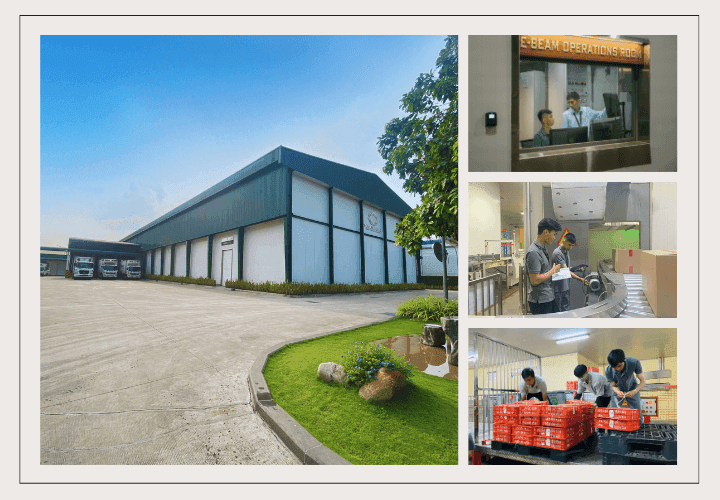
Toan Phat Irradiation Factory
Hotline: 093 100 0001
Fanpage: www.facebook.com/chieuxatoanphat
Website: http://www.chieuxatoanphat.vn/
Email: thongtin@tpirr.vn
Address: Block A24-1, Ngang 1 Road, Phu An Thanh Industrial Park, Ben Luc Commune, Tay Ninh Province, Vietnam.