Exporting agricultural products to the EU: Avoiding unnecessary risks
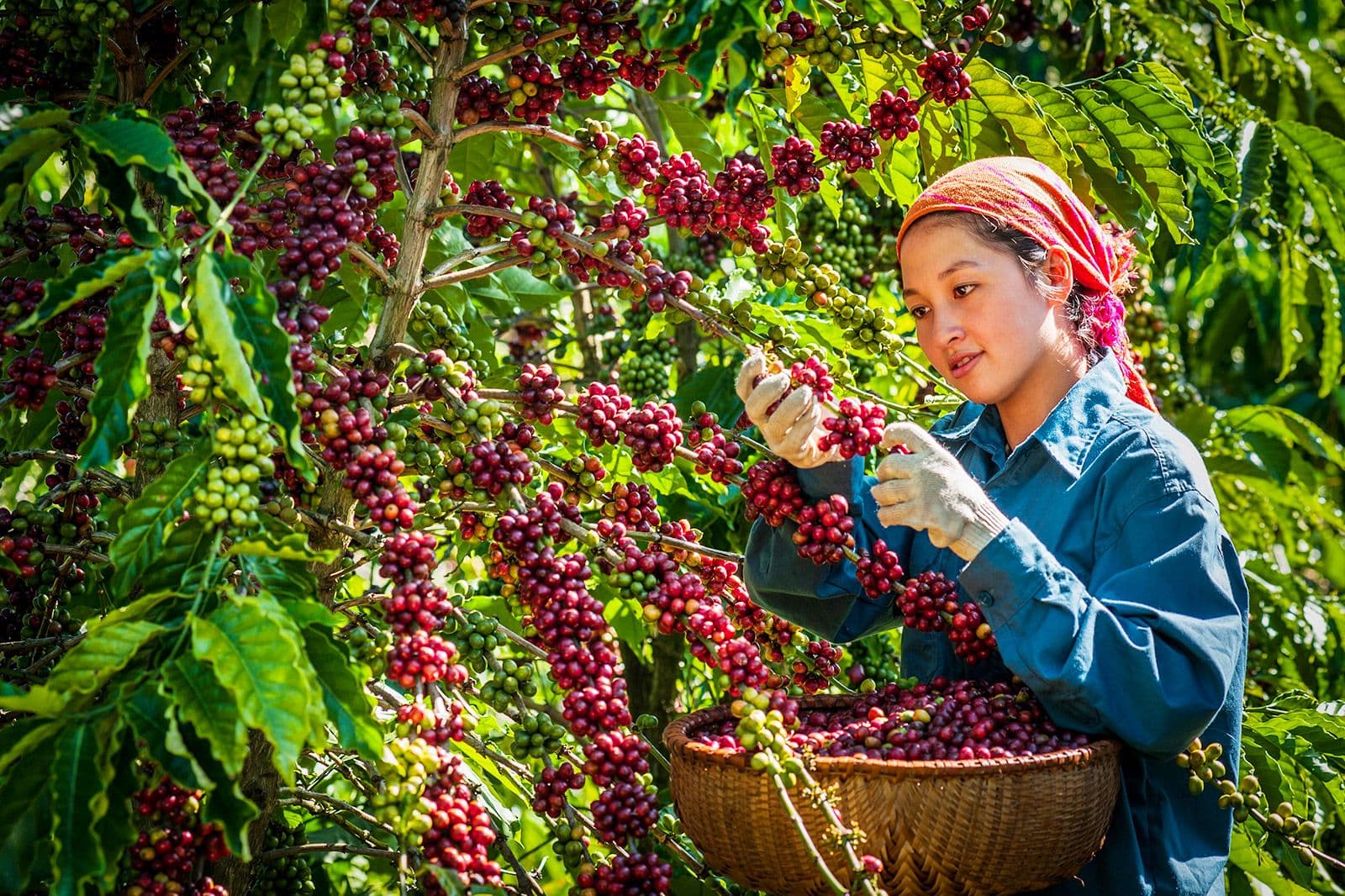
The EU is a key market for Vietnamese agricultural products. Experts recommend carefully studying market regulations to avoid unnecessary risks.
The EU is a key market for Vietnamese agricultural products
According to the report of the Ministry of Agriculture and Rural Development, the estimated export value of agricultural, forestry and fishery products in January 2024 reached 5.08 billion USD, down 4.9% compared to the same period in 2024. The export value of agricultural, forestry and fishery products from Vietnam to the Americas, Asia, and Europe decreased. Of which, the export value to Europe reached 577 million USD, down 16.2%.
In 2024, agricultural, forestry and fishery exports reached a record turnover of 62.5 billion USD, up 18.7% compared to 2023; of which, the EU market accounted for 11.3%.
The EU is the third largest consumer market for agricultural, forestry and fishery products in the world. Every year, the EU imports about 300 billion USD worth of agricultural, forestry and fishery products. The import turnover of agricultural, forestry and fishery products from Vietnam to the EU accounts for about 1.9% of the total import turnover of the EU, ranking 11th in the list of countries exporting agricultural, forestry and fishery products to the EU. The EU is also one of the four largest export markets for agricultural, forestry and fishery products of Vietnam after the United States, China and ASEAN.
The EU is a region with a large level of spending on food consumption. Every year, the EU spends 1,000 billion Euros on food and beverages, accounting for 21.4% of total household spending (11.8% on food, 6.8% on catering services, 1.6% on alcoholic beverages, and 1.2% on non-alcoholic beverages).
Avoid unnecessary risks
However, food safety issues are posing a "difficult problem" for agricultural products exported to this market. Recently, the Vietnam SPS Office and National Enquiry Point for Epidemiology and Animal and Plant Quarantine (Vietnam SPS Office) sent Official Dispatch No. 27/SPS-BNNVN to the Import-Export Department (Ministry of Industry and Trade), along with the associations: Vietnam Beer - Alcohol - Beverage, Vietnam Coffee - Cocoa, Vietnam Traditional Fish Sauce, Vietnam Cashew to inform about warnings from the European Union (EU) Food and Feed Safety System for Vietnamese exported foods due to violations of EU regulations, leading to product recalls by the EU.
Accordingly, the Vietnam SPS Office pointed out 4 reasons, including businesses not registering to circulate products containing ingredients from "new foods" in the EU market; Enterprises declare ingredients in products that are not in accordance with the records, especially ingredients that can easily cause allergies; products contain illegal food additives or exceed the prescribed level; enterprises do not declare or conduct veterinary quarantine at the border gate for "mixed products" containing ingredients from animals.
Talking to reporters of Cong Thuong Newspaper, Mr. Ngo Xuan Nam - Deputy Director of the Vietnam SPS Office - said that among these, the regulations on "new foods" and "mixed products" make businesses confused.
Mr. Ngo Xuan Nam analyzed that "new foods" are any type of food that was not used for human consumption at a significant level in the European Union before May 15, 1997. Details are stated in Regulation (EU) 2015/2283. The list of new foods licensed is in Regulation (EU) 2018/1023.
Meanwhile, if a "mixed product" contains ingredients of animal origin, the animal ingredients must be on the list of businesses permitted to export animal products to the EU.
According to Mr. Ngo Xuan Nam, businesses that make mistakes when exporting to demanding markets such as the EU are often small and medium-sized. On the contrary, large businesses, especially FDI enterprises, all have specialized technical departments that quickly access information about market changes.
Previously, information about increasingly strict regulations on agricultural, forestry and fishery products exported to the EU market was also reported by the Vietnam Trade Office in Sweden. Accordingly, the EU is applying stricter regulations on food safety and sustainability to minimize environmental impacts and ensure product quality. The Nordic market, including Sweden, Denmark and Norway, is famous for its high requirements for agricultural product quality, posing challenges but also bringing great opportunities for Vietnamese exporters.
New regulations affecting fresh agricultural products include reducing pesticide residues. Accordingly, the EU requires imported agricultural products to meet strict pesticide residue limits (MRLs). Some chemicals that are not allowed to be used in the EU will be completely banned on imported products. Specifically, according to Regulation 2023/915, the maximum residue level of cadmium is reduced for fruits such as strawberries, citrus fruits, mangoes, bananas and pineapples. Northern European supermarkets often require their own standards, which are more stringent than EU regulations.
In addition, most fresh agricultural products imported into the EU need a phytosanitary certificate. This certificate ensures that the product does not carry harmful organisms. Some products such as bananas, coconuts, dates, pineapples and durian do not need this certificate. However, regulations on additional heat treatment for mangoes or similar measures are encouraged to prevent fruit flies. The EU applies a higher inspection rate to products with a high risk of chemical residues from some countries.
According to Ms. Nguyen Thi Hoang Thuy - Director, Head of the Vietnam Trade Office in Sweden, concurrently in charge of the Northern European market, the EU market in general and the Northern European market in particular have high requirements on the quality and traceability of agricultural products, requiring Vietnamese export enterprises to be well prepared and meet high standards. Accordingly, exporters need to ensure that products do not exceed the permitted chemical residue level and meet the strict requirements of Northern European importers; ensure phytosanitary certification.
Another issue informed by Ms. Nguyen Thi Hoang Thuy is that products from Vietnam may be in the high-risk category, leading to higher inspection rates. Therefore, businesses need to improve quality control at the source, especially for agricultural products such as chili, beans, and tropical fruits. At the same time, prepare complete documents on production and inspection processes to promptly resolve any problems that arise.
Good compliance with EU regulations not only helps products meet requirements but also builds credibility with Northern European customers. Therefore, businesses need to promote commitments on quality and transparency in the supply chain. Connect with major import partners in Northern Europe and participate in trade fairs to expand the customer network.
Regarding the EU market, Mr. Ngo Xuan Nam said that in recent years, information on SPS has been more widely received and transmitted, reaching almost all local departments, branches, as well as associations and businesses. However, the lack of smooth connection in information makes violations more likely to occur. In 2024 alone, Vietnam received 114 warnings from the EU, double that of 2023. To avoid a repeat situation, Mr. Ngo Xuan Nam suggested that relevant organizations, individuals and businesses carefully study the market's regulations before exporting, avoiding unnecessary risks.
According to the Vietnam Trade Office in Sweden, the Nordic honey market, including countries such as Sweden, Denmark and Norway, is applying strict traceability regulations under the EU Honey Directive (Directive 2024/1438). These changes aim to improve transparency, prevent honey adulteration and ensure product quality. This is a challenge but also brings great opportunities for Vietnamese businesses wanting to access the Nordic market.
Source: Cong Thuong Newspaper