Seafood Consumption Trends in the United States 2024 - 2025
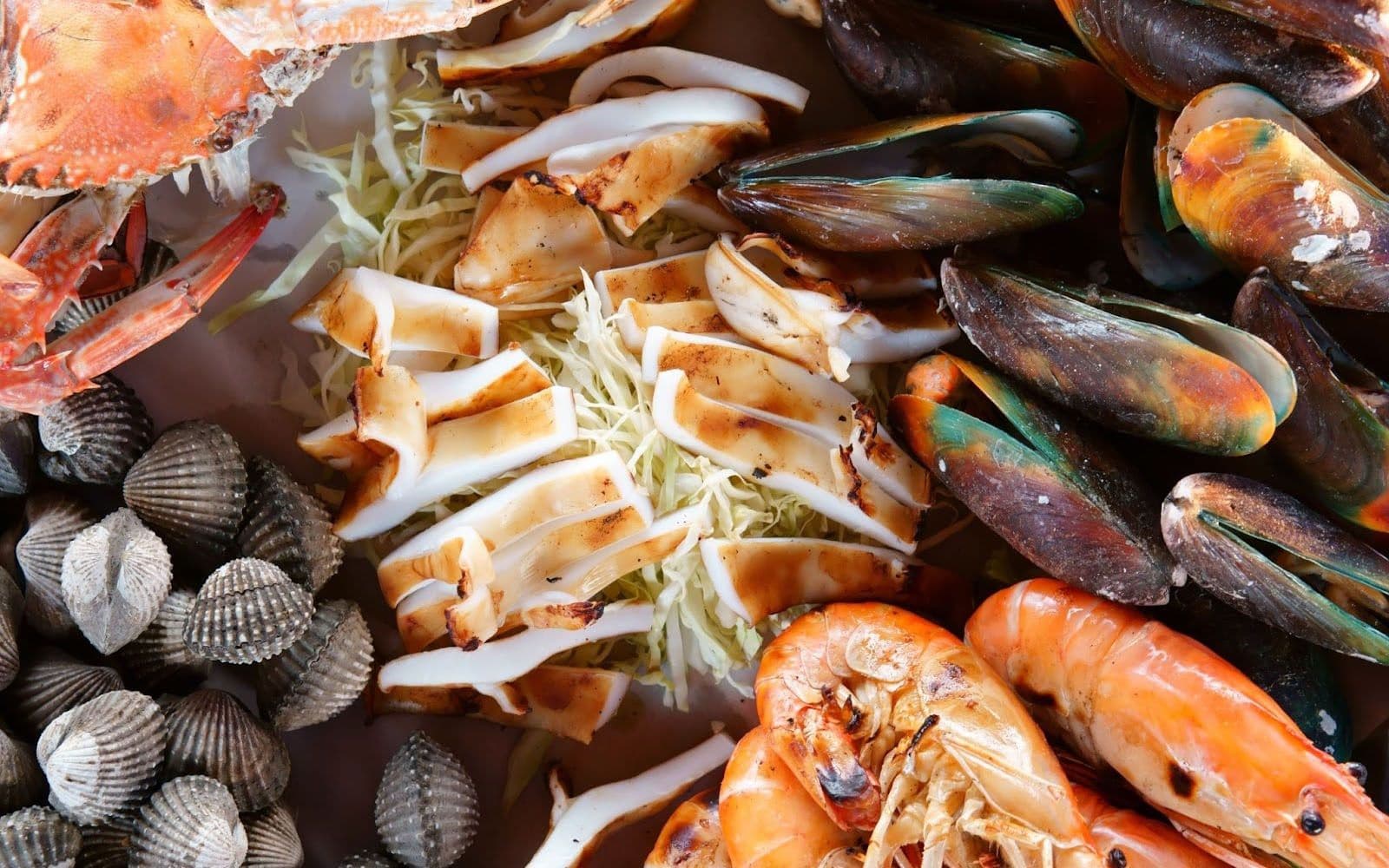
The US seafood market in 2024 continues to grow strongly, with a preference for wild-caught seafood, a rise in processed and convenience products, and seafood still being seen as a premium, nutritious option in consumers’ diets. Trends such as the growth of sushi and shelf-stable packaged seafood reflect the changing consumer habits and the market’s need for convenience.
1. Preference for wild-caught seafood
A survey by the FMI (Food Market Institute) found that 44% of U.S. consumers prefer wild-caught seafood over farmed products. Of those who prefer wild seafood, 70% buy only wild-caught seafood and avoid farmed products. Reasons for this preference include better quality, fewer antibiotics, more natural, fresher and healthier, and no additives.
2. Farmed seafood and consumer perceptions
On the other hand, those who prefer farmed seafood say it is better for the environment, easier to trace, and less exposed to pollutants. The sustainability and quality control of farmed products are factors that attract consumers to prefer farmed seafood. However, consumers are still clearly divided in their preferences between the two types of products.
3. Seafood: High-end and expensive
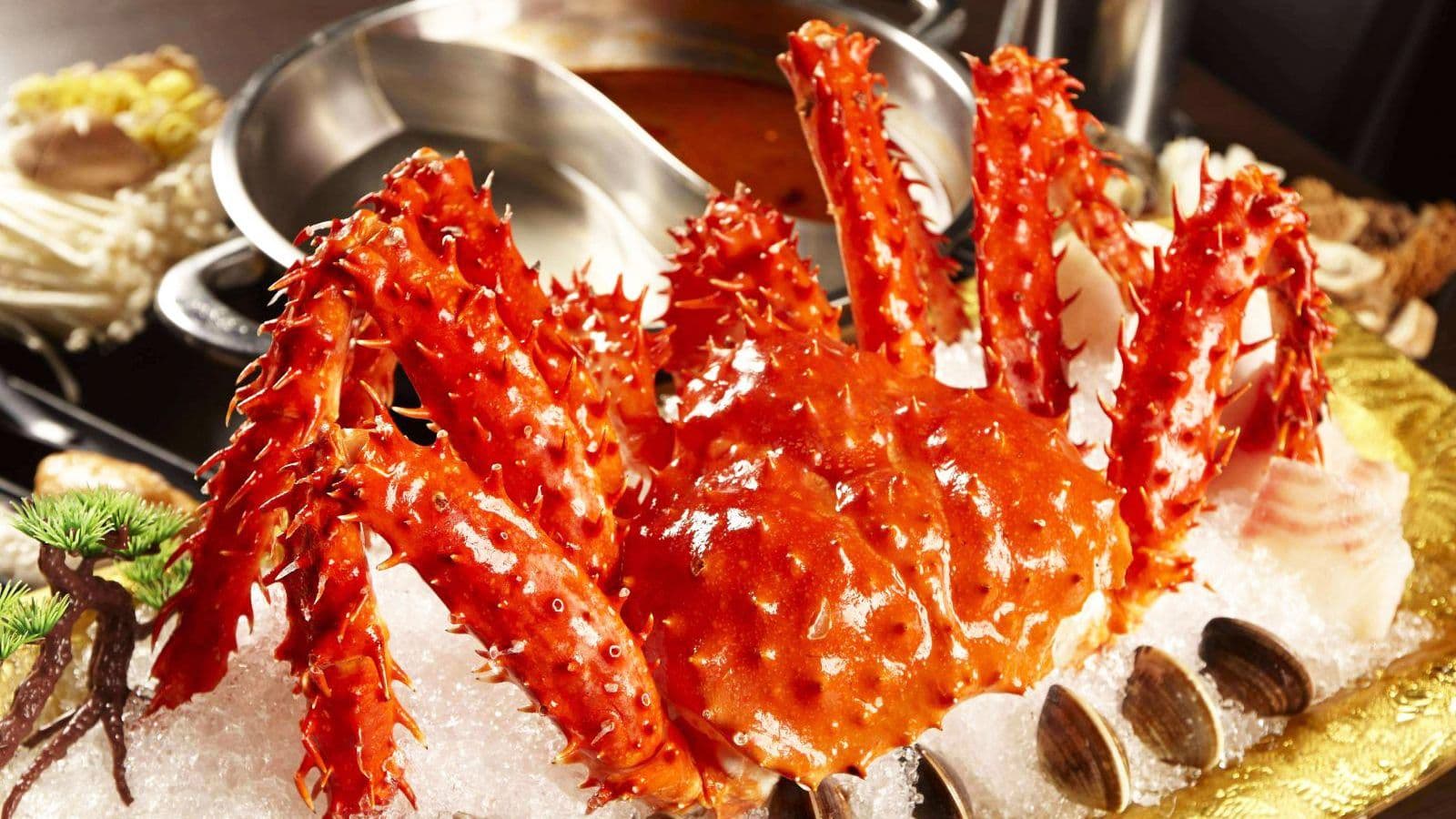
A key trend is that seafood is still perceived as an expensive food, with 73% of consumers who regularly consume seafood feeling that seafood is a luxury. This also affects the perception of those who do not consume seafood regularly. However, the popularity of seafood is still maintained thanks to the nutritional value and health benefits it brings to the diet.
4. Growth in the processed and convenient seafood segment
Processed seafood, especially sushi, is becoming a mainstream trend in the seafood industry. According to data from Circana, deli sushi leads retail sales in the processed food category, with sales of up to 2.4 billion USD. This growth is largely due to Gen Z's love of sushi, with higher spending compared to previous generations.
5. Premium Canned Seafood: Changing Consumer Preferences
Although canned seafood sales have declined by 14.3% over the past four years, premium canned seafood products are showing signs of growth thanks to the keto diet and the love of experimenting with new foods through social media. Shelf-stable packaged seafood products are also gaining traction due to their convenience.
6. Retail Market: Frozen Finfish Growth, Shellfish Struggle
In the retail market, frozen finfish such as cod, pollock and salmon are seeing strong growth, while shellfish are struggling due to high prices and supply chain issues. High-income consumers account for 42% of seafood spending, showing a clear divide in the consumption of this product.
7. Seafood thrives in foodservice
Despite consumer concerns about food cost inflation, seafood continues to grow in the foodservice industry. According to data from Circana, the average seafood bill is expected to increase by 6% in 2024, with shrimp, salmon, cod and tuna being the most popular seafood.
Source: VASEP