China's fresh seafood consumption potential
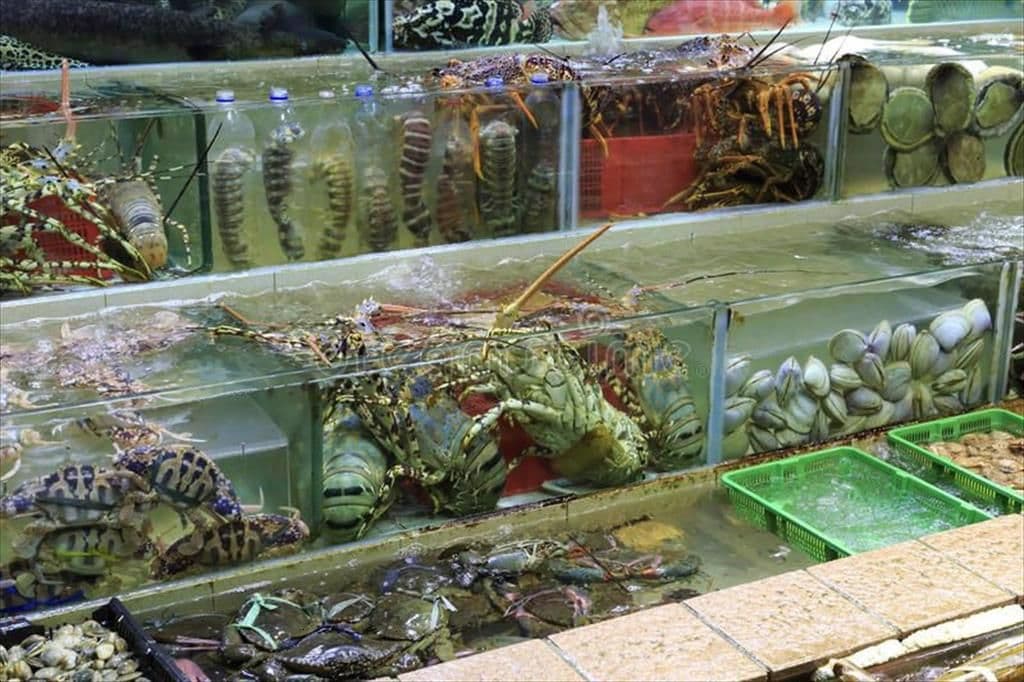
According to statistics from China Customs, in the first 8 months of this year, the country imported more than 2.8 million tons of seafood, worth nearly 11.4 billion USD, down nearly 6% in volume and 11% in value compared to the same period last year. Vietnam is the 3rd largest supplier to the Chinese market.
The top 5 seafood suppliers to China include Ecuador, Russia, Vietnam, Canada and India. In general, seafood imports from the 5 largest suppliers are not very promising, either decreasing in volume or decreasing in value compared to the same period last year.
However, according to statistics from Vietnam Customs, seafood exports to the Chinese market in the first 8 months of this year reached over 1 billion USD, up 17% over the same period last year. The two largest items are pangasius with revenue of 350 million USD, down 1.2%, followed by white-leg shrimp with revenue equivalent to the same period, reaching over 180 million USD. Exports of tiger shrimp, anchovies, fish cakes and surimi are all lower than the same period. However, many products have grown dramatically: lobster increased by 139%, crab increased by 16 times, snail increased by 603%, clam increased by 215%... The above statistics show that Vietnam's fresh products have better room in the Chinese market because of better demand, while frozen products are facing difficulties due to competitive pressure and falling import prices.
In the first 8 months of this year, China's crab imports reached 86.7 thousand tons, worth over 1.3 billion USD, up 11% in volume and 10% in value over the same period last year. Of which, live crab alone reached 68.4 thousand tons, worth 1.14 billion USD. Lobster imports also increased by 15% in volume and 14% in value, reaching 37 thousand tons, worth over 1 billion USD.
Meanwhile, imports of black tiger shrimp, whiteleg shrimp and other shrimp decreased by nearly 10% in volume and 21% in value, reaching 628 thousand tons, worth over 3 billion USD.
China is also the world’s largest producer of seafood, but the majority of its output comes from aquaculture. Local seafood is limited and consumers continue to seek food products that are labeled as high quality and internationally recognized, especially fresh seafood.
Consumption of live seafood through restaurants and hotels
Consumers in coastal cities in China prefer live seafood more than those in inland cities. With China's e-commerce channels increasingly equipped with advanced cold chain and supply chain facilities, the retail industry is increasingly selling more live seafood products.
Most of the live seafood consumption occurs in the hotel, restaurant and institutional (HRI) service sectors. Restaurants in star-rated hotels, specialty seafood restaurants and Cantonese restaurants are the most popular places for consumers to enjoy imported live seafood.
These imported items, such as live crabs and lobsters, account for a large portion of China's live seafood imports. The import of live seafood requires advanced cold chain capabilities, especially at ports of entry. In most cases, importers or wholesalers must set up a storage facility to keep the product live and operational for 6-8 months.
China’s live seafood import trade mainly takes place at the wholesale market level. There are also importers who use charter flights to purchase large quantities of live seafood directly from a reputable distributor or retailer.
Live seafood is mainly transported by air,. The airports used include Qingdao and Zhengzhou, both of which offer some freight subsidies.
Consumption through wholesale markets
The hotel and restaurant business typically has a permanent supplier who purchases live seafood from the local wholesale market. Before COVID-19, some new e-commerce platforms and retailers had started to purchase directly from exporters.
For importers and distributors, wholesale markets in China remain the leading platform for most live seafood trade. For example, Beijing JingShen Seafood Market is the largest seafood market in northern China. It supplies 80% of Beijing’s high-end seafood products, including imported seafood for the HRI and retail sectors.
Live and frozen imported seafood are displayed and sold at this market. Major seafood importers service buyers and distributors in Beijing, Hebei, Shanghai, Guangzhou, Heilongjiang, Jilin, and Liaoning provinces. In Shanghai, the Yangtze River Delta customer base accounts for the majority of sales from the five major seafood wholesale markets.
Source: VASEP