Vietnam's seafood has many advantages when exported to the UK
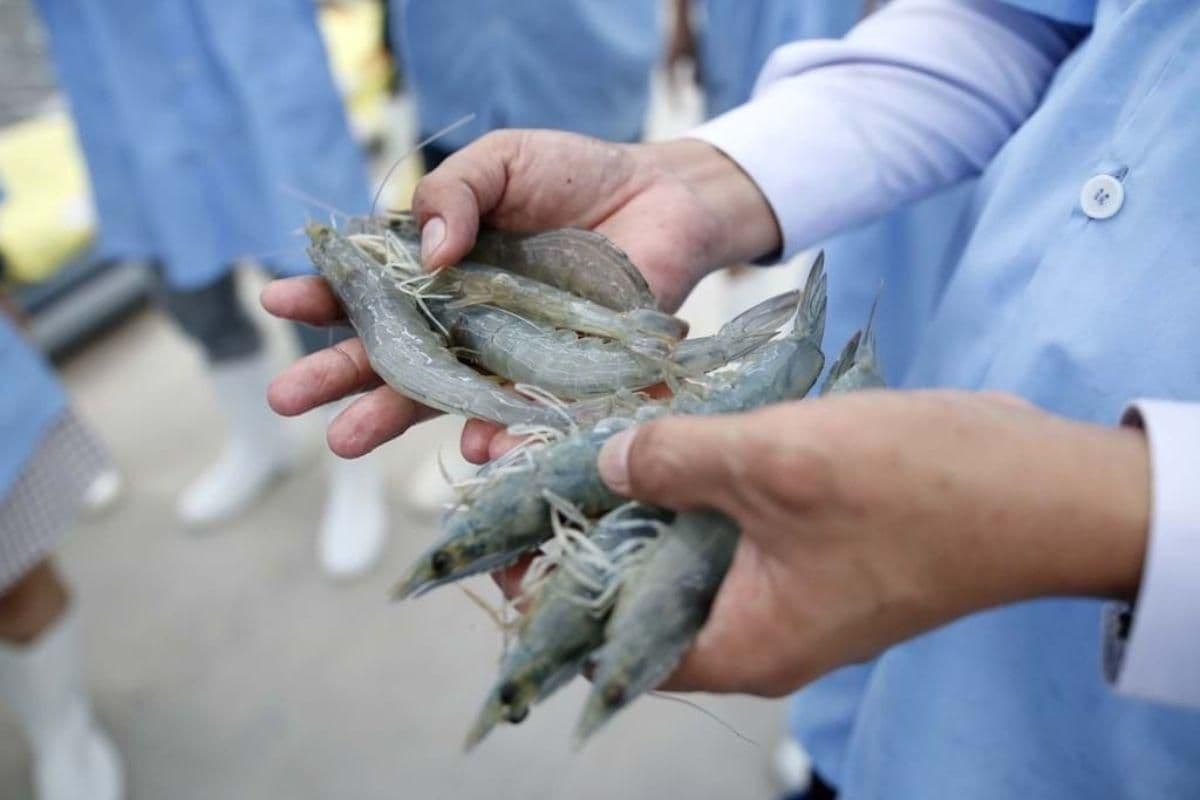
After 3 years of implementing the Vietnam - United Kingdom of Great Britain and Northern Ireland Free Trade Agreement (UKVFTA), especially when the UK officially joined the Comprehensive and Progressive Agreement for Trans-Pacific Partnership (CPTPP) from December 15, 2024, many Vietnamese seafood products are assessed to have advantages when exporting to this potential market.
According to the Ministry of Agriculture and Environment, agricultural, forestry and fishery exports in the first 2 months of 2025 reached 9.38 billion USD, with a trade surplus of 2.05 billion USD, making an important contribution to maintaining the trade balance of goods of the economy, in which forestry and fishery products had the highest growth rate in the first 2 months of 2025. Specifically, forestry product exports are estimated at about 2.68 billion USD, up 11.9% over the same period in 2024; seafood reached 1.42 million USD, up 18.6%.
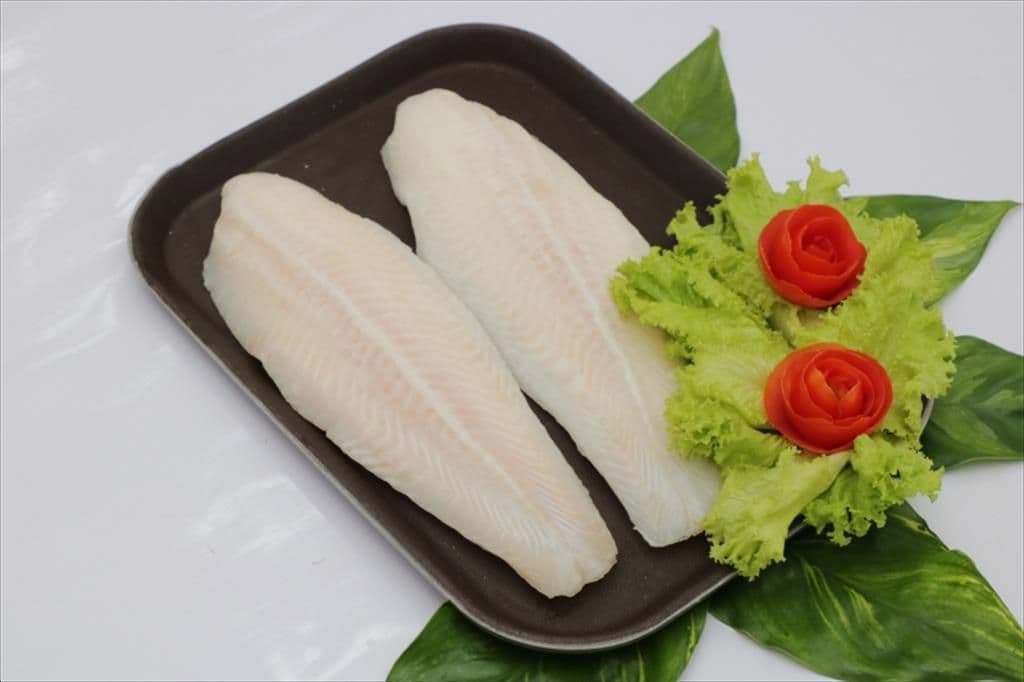
The Vietnam Association of Seafood Exporters and Producers (VASEP) said that the UK is still considered an important market for Vietnamese shrimp with many incentives in bilateral trade relations between the two countries. In 2024, shrimp exports to the UK reached more than 212 million USD. Entering January 2025, shrimp exports to the UK continued to maintain the growth momentum of 2024.
The UK is the 6th largest single market for shrimp imports from Vietnam, accounting for 5.5% of Vietnam's total shrimp exports to markets. Shrimp is also the product with the highest proportion (70%) of Vietnam's total seafood exports to the UK.
Thus, with the tariff advantage from the two free trade agreements (FTAs), Vietnamese shrimp has a competitive advantage over other trade competitors such as China, Thailand, Malaysia, Indonesia, the Philippines, India, Brazil, etc.
In addition, tuna is also a commodity that is considered to have many advantages when exported to the UK. According to statistics from the Vietnam Customs Department, Vietnam's tuna exports to the UK have grown continuously since the CPTPP took effect. The export value of tuna to this market increased from 5.1 million USD in 2021 to nearly 7.9 million USD in 2024, an increase of 54%. By 2025, the UK is one of the few tuna export markets of Vietnam that has maintained an increase in exports, up 24% over the same period.
The CPTPP and UKVFTA agreements are creating a huge growth momentum in bilateral relations, while opening up new development space for the Vietnamese tuna industry in the context of declining key export markets due to geopolitical tensions and general difficulties of the global economy.
Vasep analyzed that the new point in the tariff agreement in the CPTPP Agreement is that Vietnam's processed and canned tuna products when exported to this market will have their tax reduced from 20% to 0% according to a 7-year roadmap. Meanwhile, currently, according to the agreement in the UKVFTA Agreement, these products only enjoy a preferential tax rate of 0% according to the quota of 11,500 tons. Thus, in the long term, taking advantage of tariff incentives from these agreements will bring great advantages to Vietnamese tuna products when exporting to this market...
According to experts, both CPTPP and UKVFTA are new generation FTAs, requiring exporting enterprises to improve their internal capacity. The rules of origin in CPTPP are a key factor in helping Vietnamese seafood products gain a competitive advantage.
To take advantage of this opportunity, stronger development incentives are needed. For fishermen, there needs to be support policies to help them comply with legal regulations, while encouraging offshore fishing and reinvestment. For enterprises, improving the business environment, simplifying administrative procedures and proactively sourcing raw materials will be decisive factors in improving competitiveness.
Ms. Le Hang - Communications Director of Vasep Association emphasized that the UK's accession to CPTPP will create opportunities for Vietnam to expand its market not only in the UK but also in other countries in the bloc. At the same time, it requires the Vietnamese seafood industry to improve product quality and production processes to meet the common standards of CPTPP. However, the UK's participation also means fiercer competition from rivals in the CPTPP bloc, requiring Vietnam to be flexible and maintain a sustainable development strategy.
To make good use of the commitments in both UKVFTA and CPTPP, Ms. Le Hang recommended that state agencies provide comprehensive support from training, market information, to improving product quality and improving logistics infrastructure; creating funds to support sustainable development for the seafood industry; support businesses in building market access and export strategies... These supports will help Vietnamese seafood businesses not only maintain market share in the UK market but also expand opportunities into potential markets in the CPTPP region.
Source: Vietnamexport