Global farmed shrimp production to reach 6 million tonnes by 2025
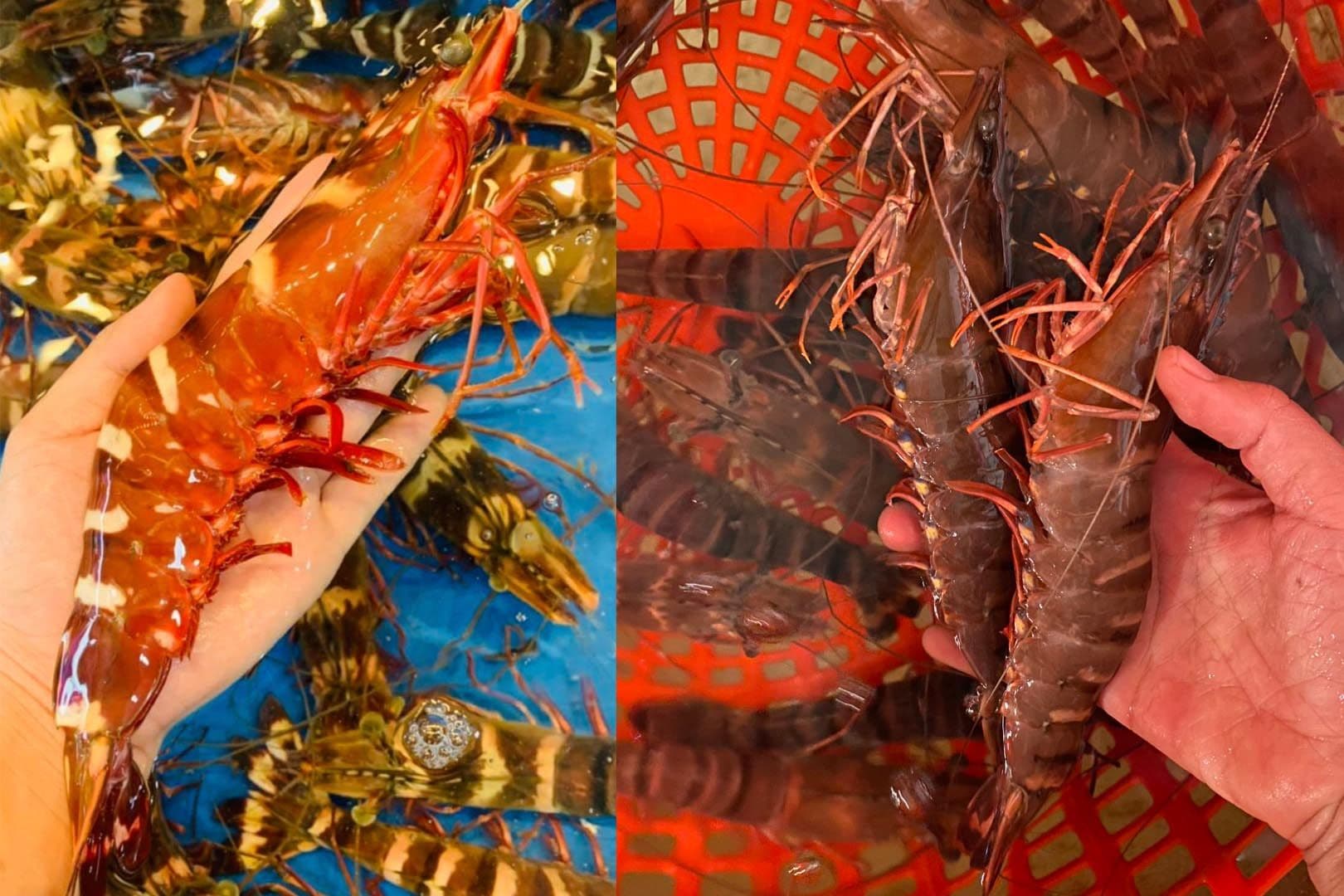
Shrimp production in Ecuador, Asia and China is expected to grow slightly, while India will see a recovery and Vietnam will increase slightly.
Ecuador leads in shrimp production
Gorjan Nikolik, an analyst at Rabobank, said that global farmed shrimp supply growth is slowing but will be positive in 2025, despite prices at record lows in many parts of the world.
Ecuador remains the world's largest shrimp producer, with growth expected to be 3% in 2025, according to Rabobank estimates.
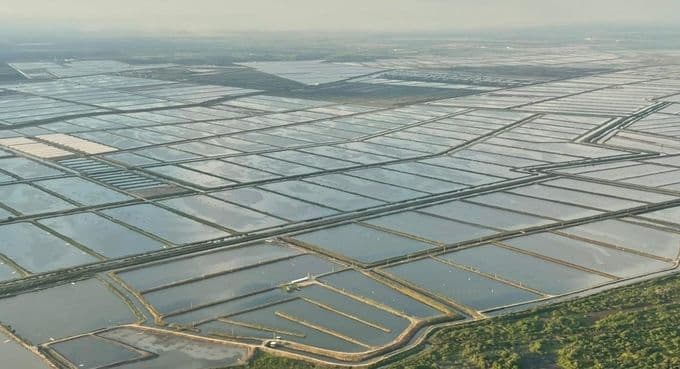
Some shrimp farms in Ecuador seen from above. Photo: UCN.
Mexico's farmed shrimp industry has grown well since the downturn in 2013, surpassing 200,000 tons in 2023. Growth of 1% in 2024 and an expected 4% increase in 2025 is quite stable given the low prices. Mexico has a good domestic market and can boost exports to the United States.
Although smaller in scale, Brazil's shrimp industry has grown significantly since 2017, increasing 20% in 2023 and 10% in 2024. In 2025, Brazil's shrimp production is expected to surpass 160,000 tons.
Venezuela remains the second most potential country in the Americas. Although the growth rate of the Venezuelan shrimp industry is expected to slow down in 2024 and 2025, the country's shrimp production will still reach 70,000 tons in 2025.
"It's unbelievable, the Venezuelan shrimp industry used to be on par with Honduras and Peru, but now it's doing much better. We see a lot of Venezuelan products in Europe, in fact in France and Spain," Nikolik added.
Will India's shrimp output decline slightly?
In India, low prices have prompted some farmers to switch from whiteleg shrimp to black tiger shrimp.
Nikolik said that the forecast of a 3% decline in Indian shrimp output in 2024 may be inaccurate, as the country's shrimp exports in the first half of 2024 increased by 5% compared to the same period last year.
Nikolik also forecast that Indian shrimp output will recover and increase by 2% in 2025.
Asia expected to grow slowly
In most Asian countries, whiteleg shrimp output is expected to grow slowly over the next two years.
In Vietnam, farmed shrimp production is expected to decrease by 8% in 2023, but is expected to recover, increasing slightly by 1% in 2024 and increasing by 4% in 2025.
However, according to the report of the Department of Fisheries (Ministry of Agriculture and Rural Development), the brackish water shrimp farming area of Vietnam in 2024 reached 737,000 hectares, basically unchanged compared to 2023; the output reached more than 1.26 million tons, up 5.3% compared to 2023.
It is expected that in 2025, the brackish water shrimp farming area of Vietnam will reach 750,000 hectares, up 1.8% compared to 2024; the output will reach 1.29 million tons, up 2% compared to the previous year.
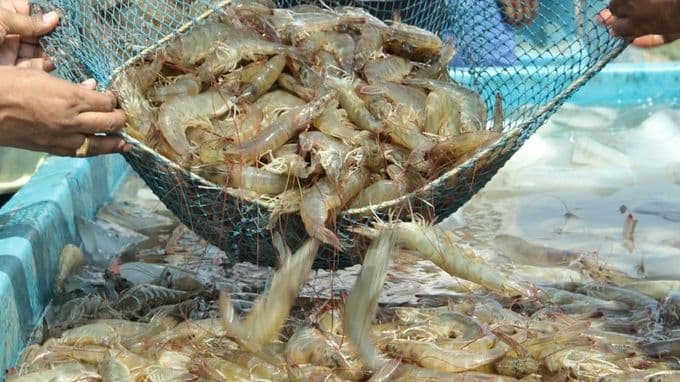
In most Asian countries, whiteleg shrimp production is expected to grow slowly over the next two years. Photo: Knnindia.
In Indonesia, production growth is also slowing, especially when compared to the period 2010 - 2022. The country's shrimp production in 2024 is expected to reach 450,000 tons, down 2% compared to 2023. However, production is forecast to increase by 3% in 2025. Indonesia is heavily dependent on the US market and faces fierce competition from both Ecuador and India, along with low prices. Therefore, a 2% decline in 2024 may still be a bit optimistic.
Thailand’s shrimp production has remained largely unchanged since it lost market share in the United States in 2013. Its shrimp output is expected to decline by 1% in 2024 and increase by 2% in 2025, meaning total production of whiteleg shrimp and black tiger shrimp will reach 400,000 tonnes this year.
As in South America, smaller Asian producers such as Bangladesh, the Philippines and Malaysia are struggling with low prices. In short, Asia’s supply growth is currently largely flat.
Consider switching to tiger shrimp
With whiteleg shrimp prices low for the past two years, shrimp farmers in many countries are considering switching to tiger shrimp.
In Asia, tiger shrimp production is expected to reach nearly 700,000 tonnes in 2025, driven by increased production in most countries, especially Vietnam and China.
Finally, according to Nikolik, the growth phase of giant freshwater prawns appears to have stopped. After peaking at around 325,000 tonnes in 2023, production across Asia – with the majority coming from China – is expected to decline by 5% in 2024 and could fall by another 1% in 2025, to below 300,000 tonnes.
Source: Nong Nghiep Newspaper