Vietnam Pangasius Industry Expected to Continue Positive Trend in 2025
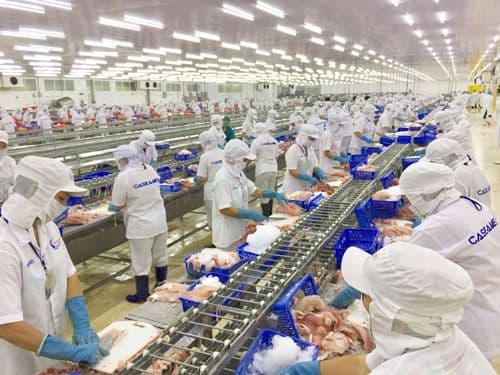
Vietnam’s pangasius production is expected to continue to grow despite competition from other producers. The sector could benefit from the US tariffs on Chinese tilapia. Export prices increased during the peak season at the end of the year and continued into 2025.
Trade and markets
According to Rabobank’s global aquaculture outlook for 2025, pangasius production is expected to increase by 7% year-on-year. Vietnam will remain the leading producer, with both output and export value increasing in 2024. Despite competition from China, India and Indonesia, Vietnam is set for strong growth, which is expected to prevail after the US imposes tariffs on China. Meanwhile, in Indonesia, severe weather due to the El Niño phenomenon lasting from 2023 to mid-2024 has significantly affected pangasius production in 2024.
According to Vietnam Customs data, in the first half of February 2025, pangasius exports reached more than 75 million USD, up 118% over the same period last year. Cumulative pangasius exports as of February 15, 2025 reached more than 208 million USD, up 5% over the same period in 2024. China, the United States and Brazil remain the top 3 markets, although exports to China as of February 15 this year decreased by 8%.
Vietnam's pangasius exports to Malaysia have grown steadily in recent years, boosted by the Regional Comprehensive Economic Partnership (RCEP) and the Comprehensive and Progressive Agreement for Trans-Pacific Partnership (CPTPP). Vietnam is the largest supplier of frozen pangasius to Malaysia, accounting for 95% of the country’s total imports of the product. Since the CPTPP came into effect in January 2019, the agreement has played a key role in boosting trade between Vietnam and other member countries, especially Canada, Malaysia, Mexico and Singapore.
Production in Indonesia has fallen sharply in 2024 compared to the previous year. However, the decrease in supply has not been matched by higher prices as the average Indonesian consumer has been buying less due to the country’s weak economy.
Amid stagnant or even declining demand, processors and packers have been competing fiercely with each other in the domestic market while still trying to increase exports.
The HORECA (hotels, restaurants and catering) market, where pangasius fillets are often served, is likely to be hit by the government’s budget cuts totaling $18.9 billion earlier this year. Amid rising unemployment figures, consumers are also cutting back on spending on special events such as weddings, and pangasius fillets are often a popular menu item.
Pangasius prices in Indonesia
In early 2025, farmgate prices for pangasius in the central production region of East Java, Indonesia, increased slightly to IDR 15,000–15,500/kg (USD 0.92–0.95/kg). On Sumatra Island, where pangasius is mainly farmed locally, farmgate prices are higher at around IDR 18,500/kg (US$1.15/kg) while live pangasius is sold at around IDR 30,000–35,000/kg (US$1.85–2.15/kg) at retail markets.
Outlook
The pangasius industry in Vietnam is expected to continue its positive trend, following its record export of over US$2 billion in 2024. In addition, the Trump administration’s new tariffs on Chinese tilapia are expected to benefit Vietnamese pangasius. Meanwhile, exporters are expected to focus more on value-added products, an area that is showing increased demand. Pangasius export prices increased during the peak season late last year and early this year.
Source: VASEP