EU tightens regulations on fresh agricultural trade: Impact and advice for Vietnamese exporters to the Nordic market
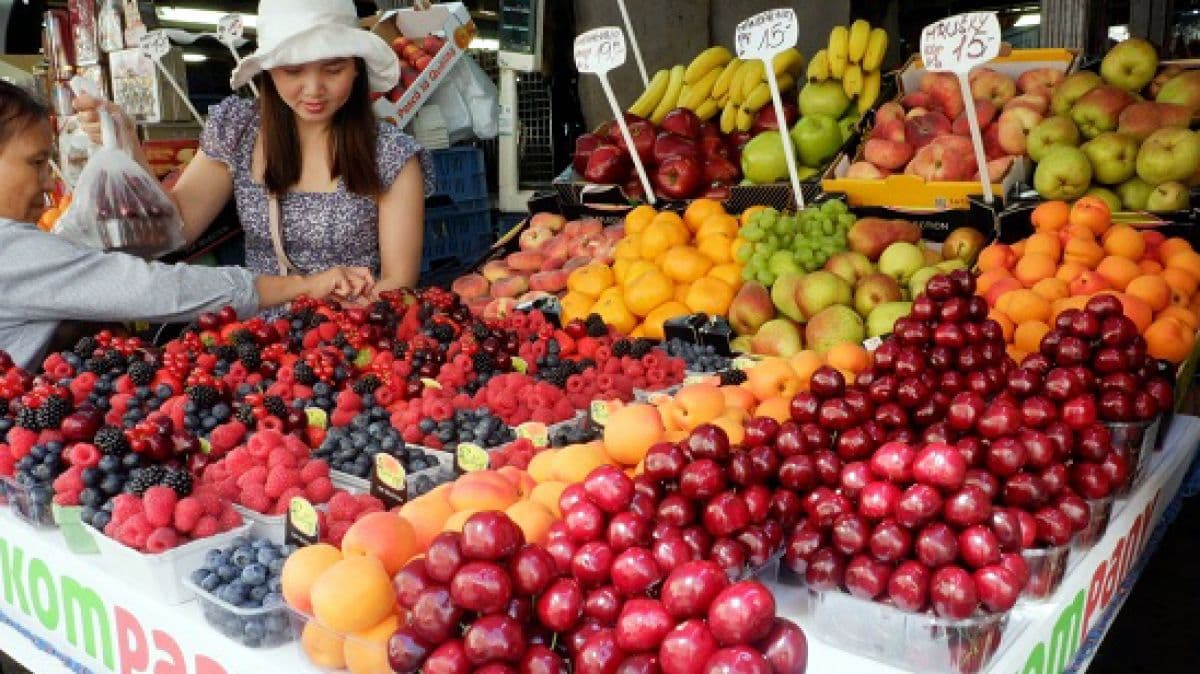
The European Union (EU) is implementing stricter food safety and sustainability regulations to reduce environmental impacts and ensure product quality. The Nordic markets, including Sweden, Denmark and Norway, are known for their high demands on agricultural product quality, posing challenges but also offering great opportunities for Vietnamese exporters.
New regulations affecting fresh produce
1. Reducing pesticide residues
The EU requires imported agricultural products to meet strict pesticide residue limits (MRLs). Certain chemicals that are not permitted for use in the EU are banned from imported products altogether.
For example, under Regulation 2023/915, maximum residue levels for cadmium are reduced for fruits such as strawberries, citrus, mangoes, bananas and pineapples.
Northern European supermarkets often require their own standards, which are more stringent than the EU regulations.
2. Phytosanitary certificates
Most fresh produce imported into the EU requires a phytosanitary certificate. This ensures that the product is free of harmful organisms.
Exemptions: Some products such as bananas, coconuts, dates, pineapples and durian do not require this certificate.
Additional Regulations: Heat treatment of mangoes or similar measures are recommended to prevent fruit flies.
3. Increased inspection and monitoring
The EU applies higher inspection rates to products with high chemical residue risk from some countries.
For example:
50% of peppers from the Dominican Republic.
30% of oranges and peppers from Egypt.
10% of beans and 20% of peppers from Kenya.
Advice for Vietnamese exporters to the Northern European market
1. Comply with chemical residue regulations
Exporters need to ensure that their products do not exceed the permitted chemical residue levels and meet the strict requirements of Nordic importers.
Required actions:
Use EU-approved plant protection chemicals.
Test chemical residues at internationally accredited laboratories before exporting.
2. Ensure phytosanitary certification
Plant quarantine certification is a mandatory requirement for products to enter the EU market.
Required actions:
Work closely with quarantine authorities in Vietnam to ensure proper testing and certification procedures.
Apply treatment measures to eliminate the risk of pests.
3. Prepare for high inspection rates
Products from Vietnam may be in the high-risk category, leading to higher inspection rates.
Actions to take:
Improve quality control at source, especially for agricultural products such as chillies, beans, and tropical fruits.
Prepare complete documentation of production and inspection processes to promptly resolve any issues that arise.
4. Leverage EU standards to create a competitive advantage
Complying with EU regulations not only helps products meet requirements but also builds credibility with Nordic customers.
Actions to take:
Promote commitments to quality and transparency in the supply chain.
Connect with major Nordic import partners and participate in trade fairs to expand your customer base.
5. Invest in sustainable production
Nordic consumers are particularly interested in sustainable products that do not harm the environment.
Necessary actions:
Demonstrate environmental protection efforts through certifications such as GlobalGAP, Rainforest Alliance or Fairtrade.
Apply measures to minimize environmental impacts throughout the supply chain.
The Nordic market places high demands on the quality and traceability of agricultural products, requiring Vietnamese exporting enterprises to be well prepared and meet high standards. However, with the right strategy, enterprises can not only overcome challenges but also take advantage of opportunities to expand market share in this region.
Source: Ministry of Industry and Trade of Vietnam