EU will check and control chemical residues in aquaculture products in Vietnam
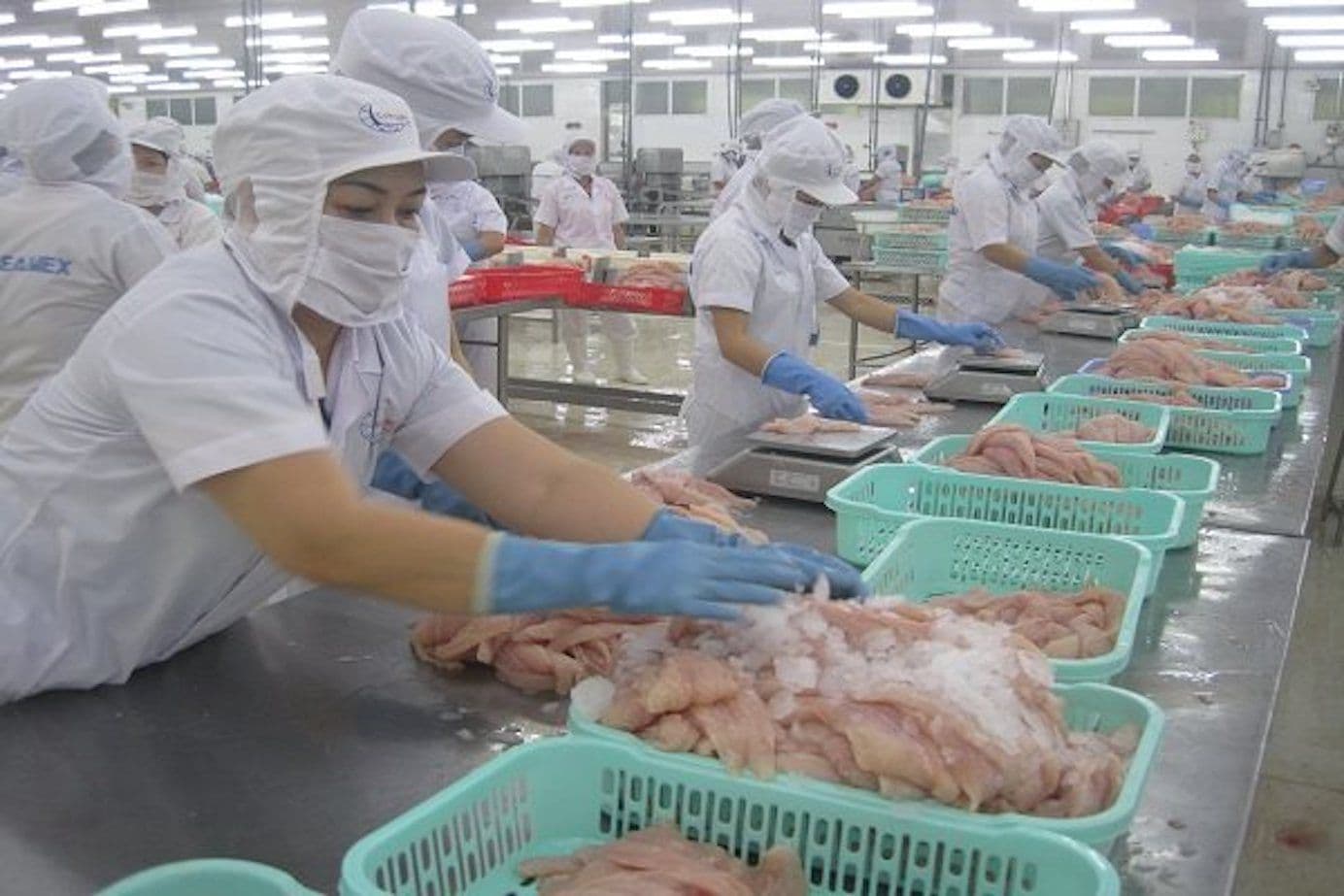
From September 24 to October 17, the EU inspection team will examine the program to control chemical residues in aquaculture products in Vietnam. The results will greatly affect Vietnam's seafood exports to Europe and other markets.
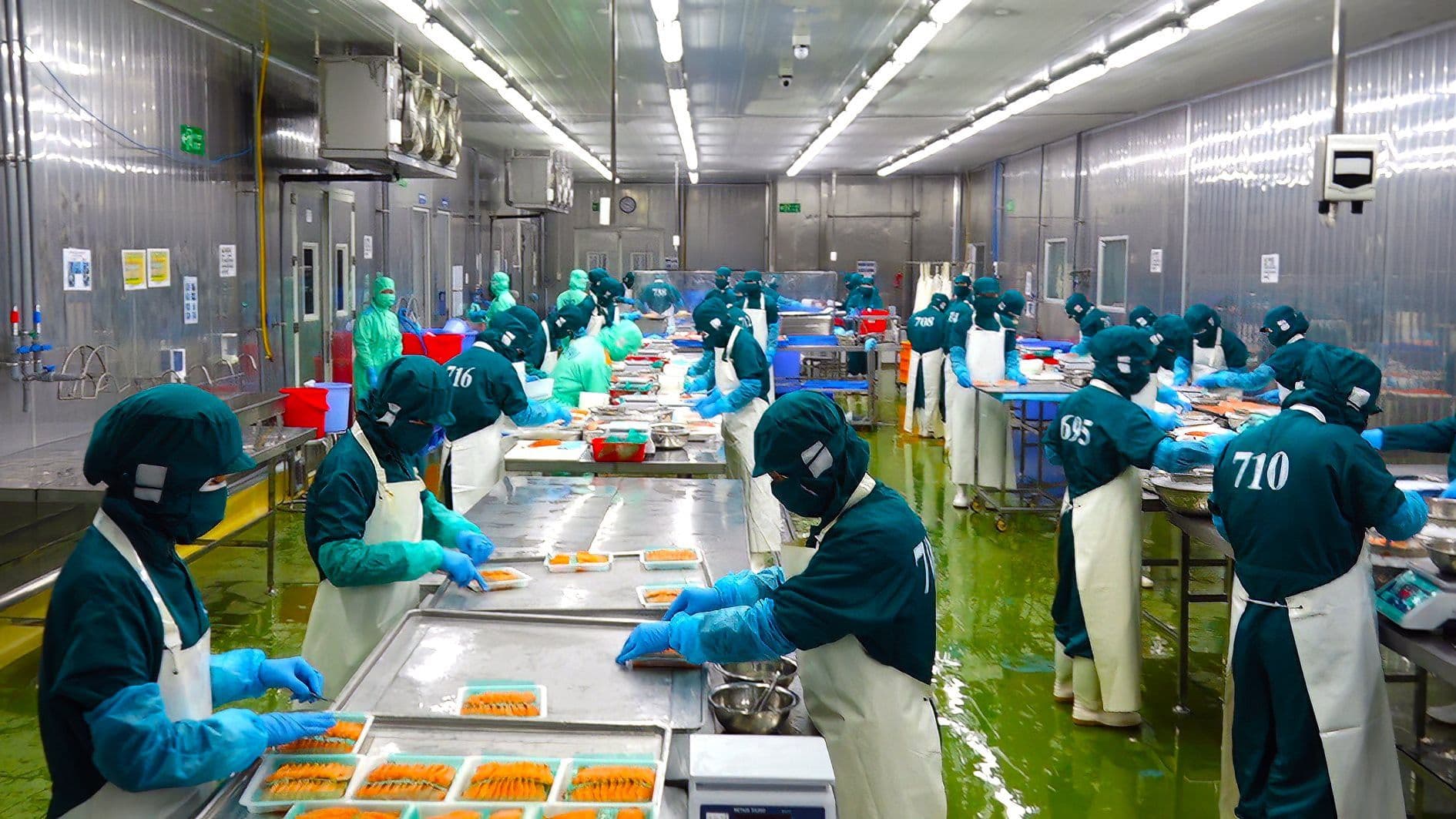
Vietnam's seafood industry is more or less affected by the EU's program to control residues in farmed seafood. Photo: N. Lan
According to the representative of the Food Safety Department - Department of Quality, Processing and Market Development, Ministry of Agriculture and Rural Development (MARD), after the 2023 inspection by the European Union (EU), the Ministry has issued a separate control program for the production, processing and export of seafood to Europe. Of the 10 issues pointed out by the EU, Vietnam has overcome 9, but there are still problems related to chemical residues and antibiotics in seafood.
Therefore, the MARD has issued an official dispatch requesting localities to strictly control food safety in seafood production and trading. However, aquaculture facilities have not paid due attention, continuing to use antibiotics without control, threatening the reputation and ability to maintain export markets. If the situation does not improve, the EU may close the seafood market to Vietnam.
According to the EU Agency for the Enforcement of Health and Food Safety Policies (DG-SANTE), the number of seafood shipments from Vietnam that have been warned due to excessive chemical and antibiotic residues has increased significantly. Therefore, this inspection is part of the EU's food safety inspection plan from 2021 - 2025, aiming to comprehensively assess the residue control system in Vietnam.
Antibiotics are still allowed to be used in aquaculture, but must comply with the correct type, dosage and quarantine period to ensure safety. However, many aquaculture farmers, especially shrimp farmers, do not fully understand the regulations on antibiotic use, leading to the risk of chemical residues in exported products.
In Binh Thuan, the seafood processing and export industry is focusing on investment and modernization. With an annual exploitation and farming output of 11,000 - 12,000 tons, businesses in the province have improved product quality, meeting international standards such as HACCP and BRC. In particular, some local establishments have invested in high-tech shrimp farming models, not using antibiotics, instead using 100% environmentally friendly biological products.
Representing the enterprise, Ms. Nguyen Kim Thuy - Director of Ky Nhu Cooperative, said that the unit has linked with farming households in the area according to the value chain to ensure a source of clean fish, without using banned drugs, to serve export needs. At the same time, it is recommended that people should not use banned drugs to provide clean water sources, ensuring effective and quality farming to meet the export market in the coming time.
Mr. Nguyen Ngoc Hai - Director of Thoi An Pangasius Cooperative shared that people need finance and experience to achieve success. "Professional fish farmers should raise fish. It is a specialized industry, requiring expertise, fish must be raised to export standards, not easy, unsafe, and people cannot take it. That is, our fish has high export value, so now we should invest in it systematically on a large scale," said Mr. Hai.
The Ministry of Agriculture and Rural Development has directed localities and businesses to prepare well for the EU inspection, and at the same time requested to strengthen strict handling of violations in the use of banned drugs and chemicals. Ms. Nguyen Thi Bang Tam - Department of Fisheries, Ministry of Agriculture and Rural Development said that the United States and the EU are demanding markets with high requirements on controlling drug and chemical residues, product origin as well as sustainability. In the first 6 months of the year, Vietnam's total seafood export turnover to the US and EU reached 1.27 billion USD, these are markets that help affirm the reputation and quality of Vietnamese seafood.
The overuse of antibiotics will lead to residues in aquaculture, not only causing huge consequences for the ecosystem and water resources, but more seriously, directly affecting the health of users and losing the reputation of aquatic products in the market.
To limit this situation, Deputy Minister of Agriculture and Rural Development Phung Duc Tien requested that we must work together to control the factors. The use of antibiotics must be controlled, so we must understand and guide them. We must train and guide people, and communicate to do it.
According to Deputy Minister of Agriculture and Rural Development Phung Duc Tien, in order to export aquatic products sustainably, businesses must diversify their export products; promote trade both domestically and internationally; promptly remove obstacles and bottlenecks affecting exports, etc.
To continue to maintain the export market, the Ministry of Agriculture and Rural Development will continue to update information and implement action plans to best prepare for this inspection. In addition, the Department of Fisheries requested localities to strengthen the direction of functional units to strictly implement the provisions of the Food Safety Law, related decrees and circulars. At the same time, strictly handle violations in the production, trading and use of drugs and chemicals banned from use in aquaculture.
Source: Duy Trinh (t/h) - Vietq