Opportunity to expand Vietnam's Halal exports
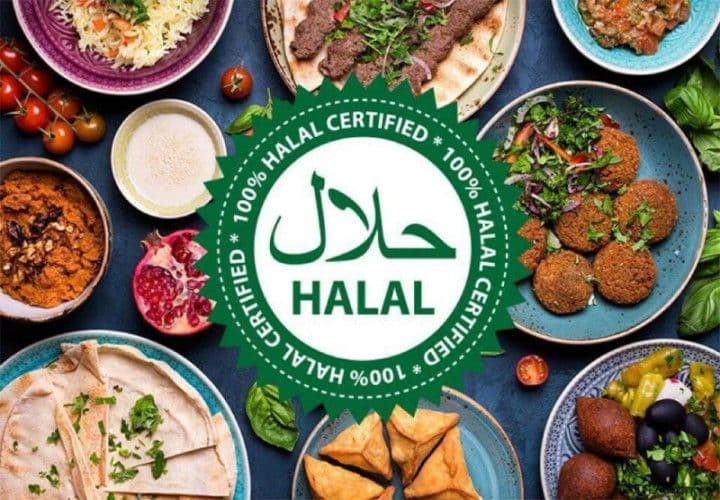
Vietnam is taking important steps to access the global Halal export market with an expected value of 4,500 billion USD by 2030. Vietnam is assessed to have the potential to produce Halal products worth about 34 billion USD for member countries of the Organization of Islamic Cooperation (OIC); thanks to its diverse agricultural base and growing food processing industry.
Efforts to promote Vietnam Halal Certificate
Recently, Vietnam has made progress in economic growth and industrial development, however, the Halal certification infrastructure is still behind some countries in the region. Vietnam lacks a standardized and widely recognized Halal certification system, partly because the domestic demand for Halal certified products in Vietnam is not high.
Faced with the need to promote access to the international Halal market, Vietnam is promoting Halal certification activities. The newly established HALCERT Center has the function of monitoring Vietnam's Halal certification activities; promote international exchange, training and cooperation in the field of Halal. There are currently about 50 companies in Vietnam that have received Halal certification, with the main products being seafood, beverages and confectionery.
Vietnam's Halal export potential
Vietnam has great potential to exploit the global Halal food industry. Vietnam is in the top 20 food exporting countries in the world and is one of the 15 largest agricultural exporters in the world. A number of Vietnamese companies have entered the Halal market, including Minh Phu seafood group, one of the largest shrimp producers in Vietnam; has increased exports to Muslim countries after receiving Halal certification. Similarly, Vietnam's largest dairy company Vinamilk has expanded its portfolio of Halal-certified products to reach new markets in the Middle East and Southeast Asia.
Vietnam is promoting cooperation with international Halal certification agencies and OIC countries to ensure its Halal products meet global standards. Recently, Vietnam signed agreements with Halal agencies of Malaysia and Indonesia on mutual recognition of Halal certification standards, helping to enhance market access.
Vietnam's opportunities in the regional Halal market
Southeast Asia has the potential to become the most important Halal market for Vietnam. In particular, the country with the world's largest Muslim population, Indonesia, has a capacity of more than 200 billion USD. The geographical location close to Indonesia gives Vietnam an advantage in accessing this market with many products and sectors such as food and beverages, cosmetics, pharmaceuticals, fashion and tourism.
When entering the Indonesian Halal market, Vietnamese businesses need to grasp the country's latest regulations on Halal products. Recently, the Indonesian Government issued the Halal Product Guarantee Law (Law No. 39 of 2021), regulating a list of goods and services that require Halal certificates. Besides food and beverages, this law also regulates consumer sectors such as cosmetics, drugs, medical supplies and equipment, clothing, stationery and household appliances. According to regulations, products must have Halal certification between October 2024 and October 2034.
According to: Vietnam Embassy in Brunei Darussalam