EU warnings on Vietnamese agriculture, fisheries and food: Need to understand correctly to respond appropriately
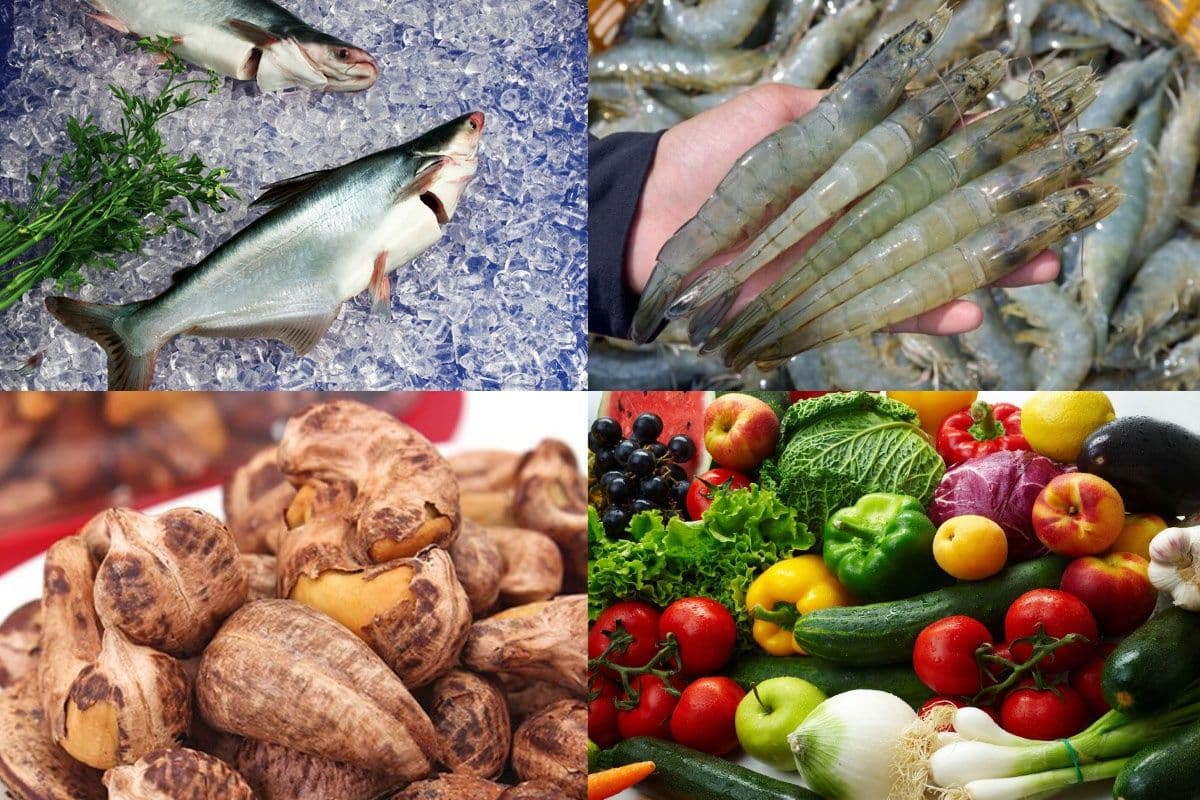
Regarding the information about the EU increasing warnings for Vietnamese agricultural, aquatic and food products that some newspapers have published, Mr. Nguyen Hoai Nam, General Secretary of the Vietnam Association of Seafood Exporters and Producers, shared specific information and wished that information related to warnings from abroad must be provided fully, clearly and objectively, avoiding misunderstandings and creating opportunities for competitors to take advantage.
Clear information must be provided so that warning information is not misinterpreted
The Vietnamese seafood industry has more than 30 years of export experience, reaching more than 160 markets with a turnover of 10 billion USD by 2024, of which exports to the EU will reach more than 1 billion USD, becoming the industry's 4th largest market. To maintain and increase exports, the seafood industry always identifies ensuring quality and food safety as core factors.
Upon receiving information from the Vietnam SPS Office about the EU increasing warnings for Vietnamese agricultural, aquatic and food products, we contacted the Department of Quality, Processing and Market Development (NAFIQPM) under the Ministry of Agriculture and Rural Development (merged into the Ministry of Agriculture and Environment from March 1, 2025) but there was no official notice from the EU authority sent to the specialized agency on this issue.
We also directly consulted the EU's Rapid Alert System for Food and Feed (RASFF), a public system, and found no serious warnings for Vietnamese seafood or food.

Mr. Nguyen Hoai Nam, General Secretary of VASEP
Assessing the number of warnings and Vietnam's proportion in the total: In 2024, RASFF issued 5,364 warnings, covering different levels of risk. Of these, 141 notifications were classified as "no risk". Regarding the origin of products with warnings, the countries with the highest number were: Türkiye: 490 warnings; China: 343 warnings; India: 339 warnings; Poland: 286 warnings and the Netherlands: 273 warnings.
Vietnam had 114 warnings, accounting for 2.1% of the total, a small proportion compared to total exports to the EU. Notably, the groups of products with the most warnings included: vegetables, nuts and nut products; poultry and poultry products; cereals and bakery products; food supplements and fortified foods.
Seafood and Vietnam's key products are not included in this group, showing that Vietnam's compliance with market regulations is still good.
It is necessary to provide clear information so that warning information is not misinterpreted. In the food industry, there is always a risk that some shipments do not meet standards. It is important to look at the overall violation rate, because exporting millions of shipments certainly carries the risk of certain errors.
In fact, 10 years ago, there was a similar case, leading to foreign customers taking advantage of the situation to squeeze prices from Vietnamese businesses even though the product quality was still guaranteed.
As a food export industry with a turnover of 10 billion USD, we hope that information related to warnings from abroad must be provided fully, clearly and objectively, avoiding misunderstandings and creating opportunities for competitors to take advantage.
Not all warnings are serious. Some errors can be as simple as incorrect weight or incorrect labeling. Therefore, when reporting on warnings, it is necessary to clarify the warned item, the cause, how to fix it, and have specific handling directions for the violating exporter. Avoid providing general information that causes misunderstanding, affecting the reputation of businesses and the competitiveness of Vietnamese goods in the international market.
Source: VASEP