More marketing efforts needed to revive falling US retail shrimp sales
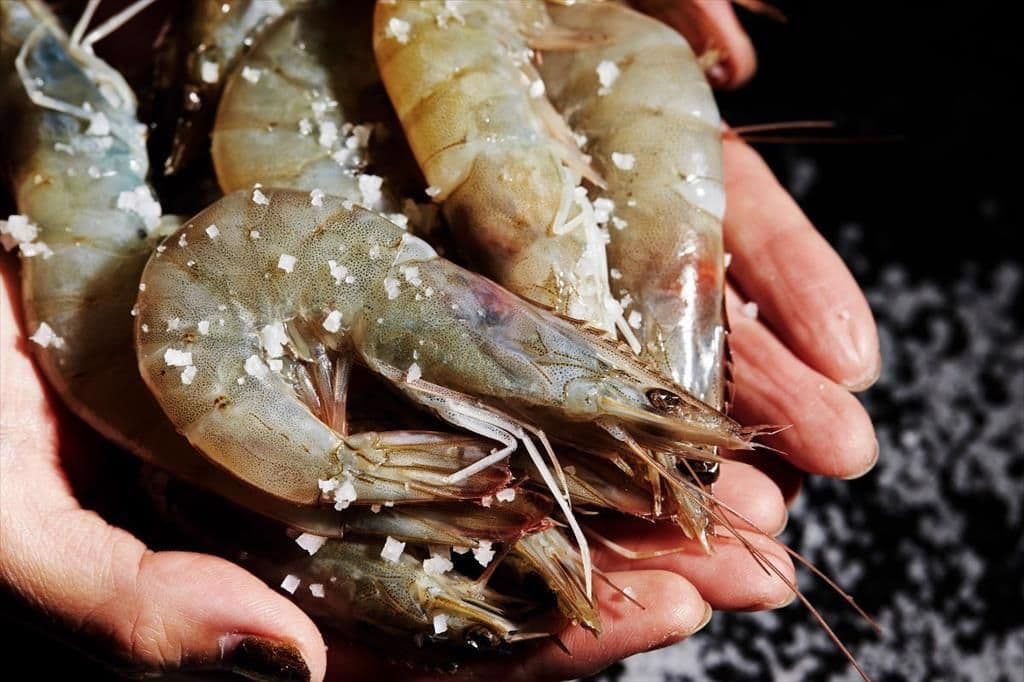
Senior seafood analyst Angel Rubio advises that effective marketing strategies are now essential to driving U.S. consumer interest and supporting retail shrimp sales as retail demand declines following the pandemic-induced surge.
Ecuadorian shrimp suppliers are optimistic amid recent price increases and strong sales during the Christmas and New Year holidays after months of low levels. Ecuadorian shrimp prices have increased significantly since October 2024. In the US wholesale market, prices for 30-40 head-on, shell-on frozen shrimp from Latin America increased from $3.05 to $3.15 per pound in the first week of November 2024 to $3.20 to $3.30 per pound in the second week of 2025. Prices for headless, shell-on shrimp as well as peeled and deveined shrimp from Latin America also increased during this period.
Speaking at the Aqua Expo event in Guayaquil, Ecuador, in late October 2024, Rubio, a market analyst at Expana, emphasized that the pandemic has boosted consumer interest in convenient, easy-to-peel shrimp products. However, with the recovery of foodservice, retail shrimp demand is tapering off, approaching pre-pandemic levels.
Rubio emphasized the need to increase promotional efforts to regain momentum and maintain consumer interest in shrimp at the retail level.
Rubio noted that shrimp imports increased significantly during the pandemic, peaking in 2021. This increase led to inventory build-up that continued to impact the market in subsequent years, contributing to downward price pressure as oversupply persisted.
The U.S. shrimp market is heavily reliant on imports, with more than 90% of shrimp consumed imported, mostly in frozen form. U.S. shrimp import volumes will begin to adjust downward in 2023.
Rubio emphasized that inventory prices are still adjusting as import volumes normalize. However, shrimp prices are expected to increase slightly in the coming period, due to seasonal demand and a return to organic growth.
Seasonal consumption
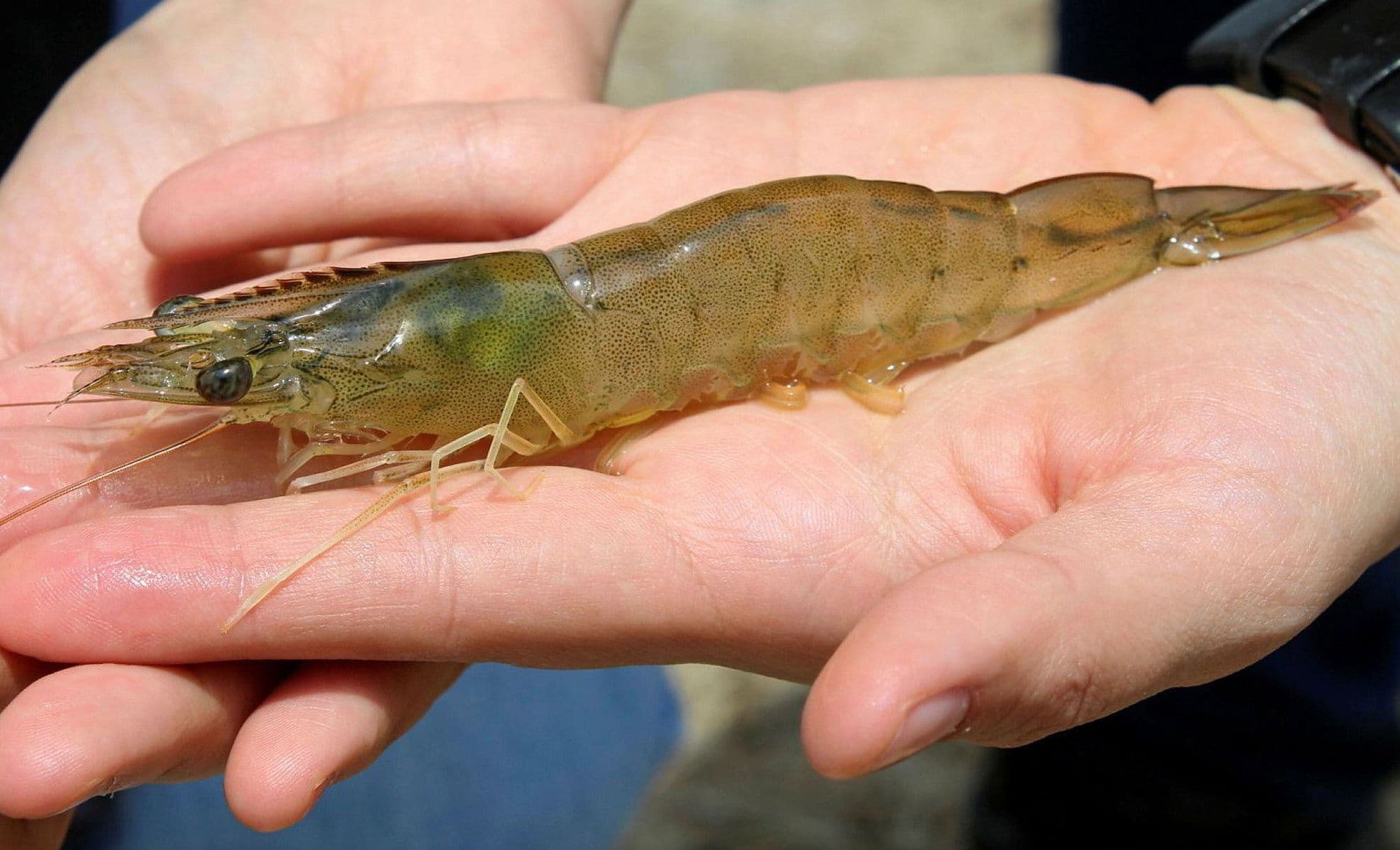
According to Rubio, seasonal trends play a key role in shrimp consumption in the United States, with demand peaking in December, before Easter, and during the summer. Inventory adjustments are often made to prepare for this period of high demand.
Rubio pointed out that the unusual import pattern of 2022 has returned to normal in 2023 and 2024.
While organic growth has returned, Rubio stressed that demand for shrimp remains strong, albeit at a more sustainable level than the rapid increase during the pandemic. He stressed that successful marketing will play a key role in driving consumption.
Source: VASEP