Standard cold storage helps enhance the value of Vietnamese agricultural products
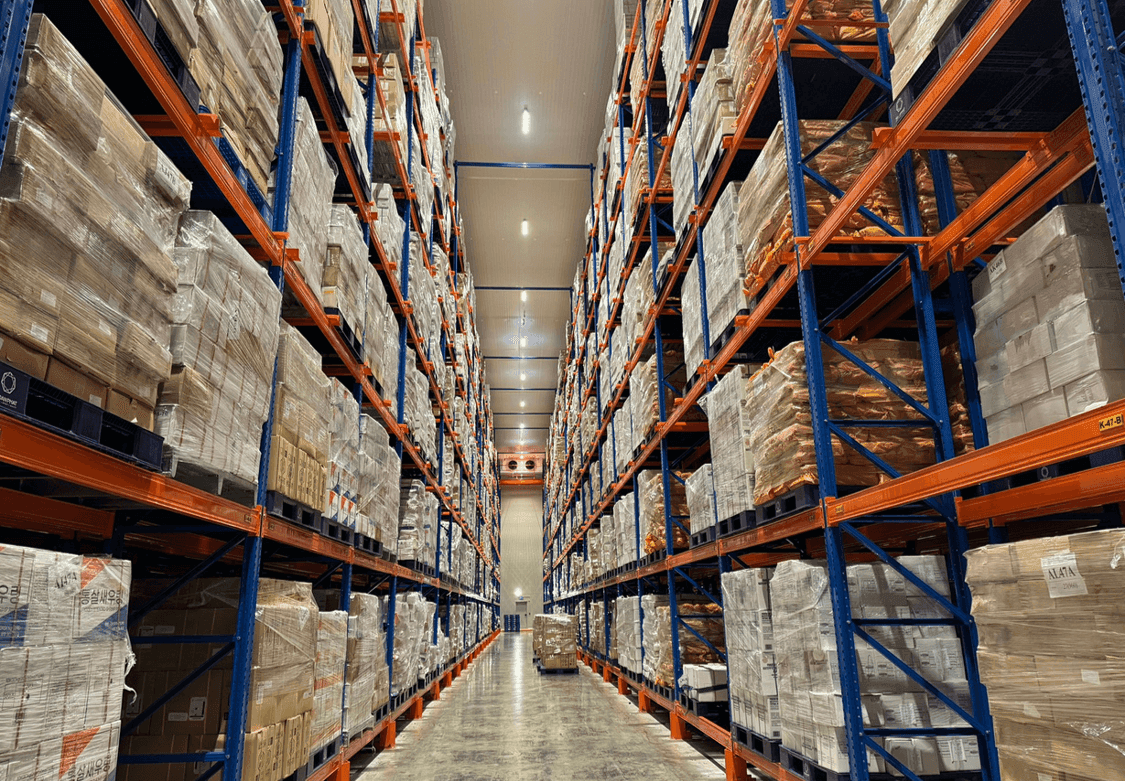
In an intensely competitive market with increasingly stringent standards, the greatest pride lies in seeing Vietnamese agricultural products touch the taste buds and hearts of consumers around the world. However, turning that potential into real value requires a strong foundation. Among the critical elements, standard cold storage plays a pivotal role — preserving the full quality and flavor of the produce while meeting the rigorous demands of export markets, thereby protecting and enhancing the value of Vietnamese agricultural products.
Join Toan Phat Refrigerated Warehouse in exploring the vital role of standard cold storage in the journey to uphold the value of Vietnamese agricultural products on the global stage.
Barriers Hindering the Breakthrough of Vietnamese Agricultural Products
Despite its great potential, Vietnamese agricultural products — especially fresh and processed items — continue to face numerous obstacles on their export journey. Besides the stringent standards imposed by importing countries, the reliance on exporting raw materials with minimal processing and the high post-harvest loss rate due to inadequate cold storage systems are major challenges for the agricultural sector.
In many localities, agricultural products are harvested seasonally, resulting in large volumes within a short period. However, the post-harvest preservation and storage infrastructure remains inconsistent, with a significant shortage of cold storage facilities and proper refrigeration equipment. This leads to serious consequences:
- Agricultural products are easily damaged due to improper cooling and preservation immediately after harvest.
- Commercial value declines rapidly, causing significant losses for farmers and businesses, especially during periods of oversupply, and negatively impacting the capability and quality of processed products.
- Product quality cannot be consistently maintained during transportation, causing many shipments to fail to meet the export standards of international markets.
The lack of an efficient cold supply chain not only reduces the competitiveness of Vietnamese agricultural products in the global market but also hampers efforts to build strong brands and achieve sustainable agricultural development.
The Critical Role of Standard Cold Storage in Preserving the Value of Vietnamese Agricultural Products
Vietnamese agricultural products boast high nutritional and commercial value, yet they are highly vulnerable post-harvest if factors like temperature, humidity, ethylene gas levels, and microbial contamination are not strictly controlled. These impacts not only degrade product quality but also shorten shelf life, directly affecting commercial value. Particularly in the context of climate change and increasingly frequent extreme weather events, the need to protect agricultural products from environmental impacts has become more urgent than ever.
Standard cold storage is an effective solution that enables businesses and farmers to proactively respond to climate risks, protect product quality, and enhance competitiveness by:
- Maintaining freshness and natural flavor: By controlling the appropriate temperature for each type of product — from fruits and vegetables to processed foods.
- Preventing biological spoilage: By limiting microbial growth, extending shelf life while ensuring food safety.
- Ensuring quality according to international standards: Certified standard cold storage systems with strict controls and full food safety certifications help products meet the rigorous requirements of demanding markets such as the EU, Japan, and the United States.
- Enhancing adaptability to climate fluctuations: By providing stable storage conditions, enabling a continuous supply chain even under adverse weather conditions.
Standard cold storage is not merely a storage facility; it is a strategic link in the modern agricultural ecosystem. It plays a crucial role in reducing post-harvest losses, maintaining product quality, increasing commercial value, and boosting the competitiveness of Vietnamese agricultural products in the global market. In the long term, investing in cold storage systems is also a sustainable solution for the agricultural sector to effectively adapt to climate change and develop toward modernization and professionalism.
Standard Cold Storage – A Launchpad for Vietnamese Agricultural Products to Go Global
Not every cold storage facility meets the requirements for preserving export-quality agricultural products. To be recognized as a standard cold storage facility, the infrastructure must comply with a series of stringent technical criteria and certifications to ensure safety and quality throughout the storage and transportation process. Specifically:
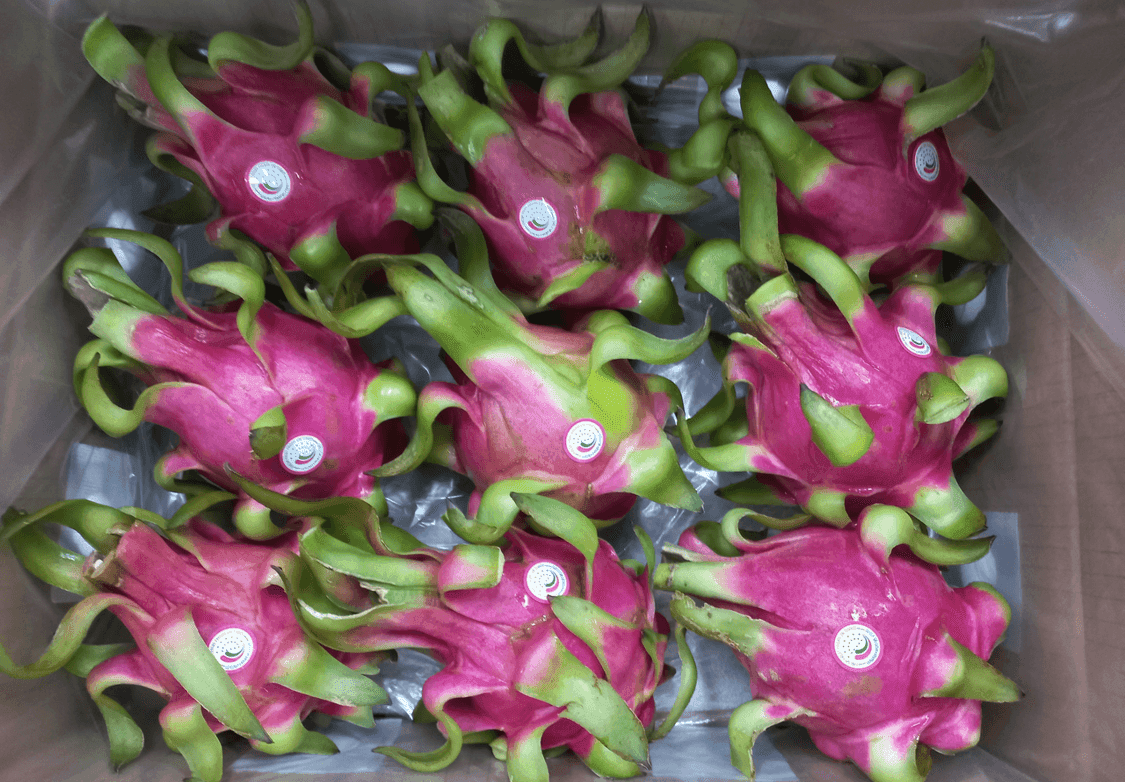
- Appropriate storage temperature for each type of product: For example, vegetables should be kept at 0–5°C, fruits such as dragon fruit at 5–8°C, and deeply processed foods may require temperatures of ≤ -18°C.
- Humidity and ethylene gas control systems: These help prolong freshness, prevent premature ripening, and preserve the original flavor and texture of agricultural products.
- Quick chilling technology: This shortens the time needed to bring products down to optimal storage temperatures, minimizing the risk of bacterial contamination and spoilage.
- Clearly defined storage zones: Products are separated by groups to prevent cross-contamination of odors, control the spread of ripening, and limit microbial transmission.
- International certifications and safety standards: A standard cold storage facility must obtain prestigious certifications such as HACCP, ISO 22000, and food safety certifications, enabling businesses to easily overcome technical barriers and pass rigorous inspections from demanding markets like the EU, Japan, and the United States.
Thanks to its closed-loop control system and high standards, standard cold storage facilities are not merely storage spaces — they serve as launchpads for Vietnamese agricultural products to confidently reach global markets. They are fundamental in preserving quality across thousands of kilometers of transportation, building brand reputation, increasing commercial value, and solidifying Vietnam’s presence on international dining tables.
Toan Phat Refrigerated Warehouse – A Trusted Partner in Bringing Vietnamese Agricultural Products to the World
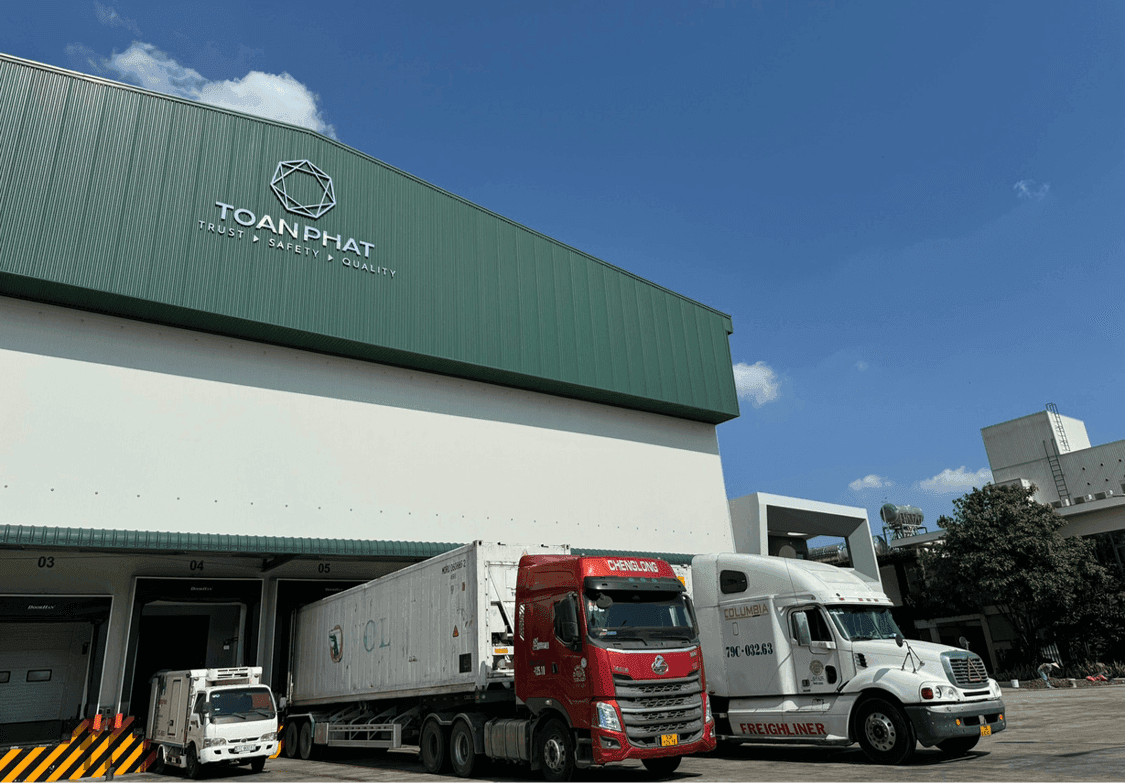
With the goal of accompanying agricultural businesses on their journey to reach the global market, Toan Phat Refrigerated Warehouse has invested in an international-standard industrial cold storage system — offering competitive pricing along with many outstanding advantages.
Modern, Flexible, and Specialized Cold Storage System
- Large storage capacity: Over 10,000 pallet positions, capable of storing up to 12,000 tons — suitable for handling large-volume orders.
- Storage temperatures: -20°C (±2°C), with quick-freezing storage available at -30°C — ideal for various types of fruits, seafood, and processed foods.
- Product-specific zoning: Dedicated storage areas by product category to prevent cross-contamination of odors and ensure product quality.
- 24/7 monitoring and operation: Convenient for continuous import/export activities, supporting business operations and export demands.
- Certified to international standards: Compliance with VSATTP, ISO 22000:2018, HACCP CODEX:2020, and full certification for food safety and hygiene.
Toan Phat Refrigerated Warehouse
Hotline/Zalo (24/7): 093 100 0001
Fanpage: https://www.facebook.com/kholanhtoanphat
Website: www.kholanhtoanphat.vn
Địa chỉ: Block A24-2, Ngang 1 Road, Phu An Thanh Industrial Park, An Thanh Commune, Ben Luc District, Long An Province