Exports under pressure as businesses call for lower lending rates
Based on a survey of business performance in the first quarter of 2026, the Ho Chi Minh City Business Association (HUBA) has proposed several measures to support enterprises in overcoming difficulties and stabilizing production and exports.
Exporters face risk of order cancellations
According to Mr. Nguyen Phuoc Hung, Standing Vice Chairman of HUBA, since late February 2026, the impact of geopolitical tensions in the Middle East has placed increasing pressure on Vietnamese enterprises.
Fuel prices and petroleum-based input materials have risen by 30–40%, while logistics costs for exports have doubled or even tripled. Orders have been fragmented, transportation routes have become unstable, payment cycles have lengthened due to delayed remittances, and uncertainty in the delivery of imported materials and equipment has disrupted production schedules. These factors have increased the risk of order cancellations and contract penalties.
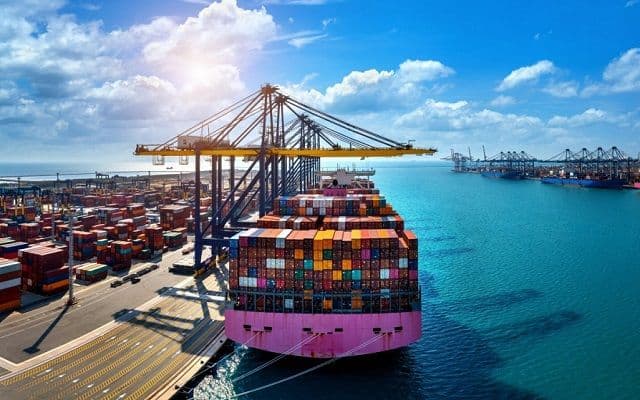
In the textile and fashion sector, logistics costs have tripled, with transit times extended by up to 20 days. Freight rates have surged significantly, with container shipping costs to the United States and Europe rising 2–3 times. Shipments to the U.S. East Coast now incur additional war risk surcharges ranging from USD 2,000 to 4,000 per container.
At the same time, shortages of empty containers have been reported at major ports such as Cat Lai and Hai Phong due to extended vessel turnaround times.
Notably, some exporters are facing the risk of postponed or canceled orders to the Middle East without compensation under force majeure clauses. International payments and letters of credit confirmations have also encountered difficulties due to disruptions in the banking system linked to sanctions and security risks.
Call for export lending rates below 6%
In addition to external pressures, businesses are also facing internal challenges, including difficulties in recruiting and retaining unskilled labor, high training costs, and significant capital requirements to meet ESG (Environmental, Social, and Governance) standards.
Meanwhile, bank credit is typically short-term and does not align with current capital cycles. Lending rates, commonly above 8.5% per year—and up to 14–15% in some sectors such as real estate—are eroding profit margins.
In response, enterprises have proposed that the banking system adopt more flexible credit mechanisms, including easing lending conditions and extending loan tenors for export-related orders. HUBA also recommended reducing lending rates to below 6% per year for export enterprises to alleviate financial pressure, based on a risk-sharing approach to support cash flow stability.
Businesses further proposed that the government consider reducing corporate income tax and accelerating tax refund processes. Regulations on specialized inspections should be reformed toward risk-based management with increased post-clearance audits to facilitate production and trade activities.
Regarding logistics costs, enterprises noted that the current logistics system remains fragmented, costly, and highly vulnerable to global disruptions. Ongoing volatility in transportation and global supply chains continues to increase input costs and weaken competitiveness.
Therefore, businesses recommended that Ho Chi Minh City accelerate the development of a synchronized and modern logistics system, strengthen regional connectivity, invest in infrastructure, develop logistics hubs, and promote the application of technology to optimize operations and reduce service costs.
They also called for enhanced support measures, including increased financial assistance for trade promotion, support for international market access, diversification of export markets, assistance in meeting international standards, and improved provision of market intelligence, forecasts, and early warnings on geopolitical risks.
In the short term, enterprises suggested that the city explore mechanisms to stabilize logistics costs and consider establishing a transportation support fund to help businesses cope with market volatility.
Additionally, they proposed the implementation of policies supporting green transformation, including green credit mechanisms and assistance for emissions accounting and reduction.
Despite adverse impacts from U.S. reciprocal tariffs and global geopolitical tensions, business operations in the first quarter remained relatively stable due to flexible response strategies. Survey results showed that 86% of enterprises reported stable revenue, while 75% maintained profitability. Notably, 79.5% expect business conditions to improve in the next quarter, and 91% believe the investment and business environment in Ho Chi Minh City is becoming more favorable. As a result, 86% of enterprises plan to expand hiring in the near term.
Source: Tap chi Kinh te - Tai chinh