Trump imposes 25% tariff on seafood from Canada, Mexico and 10% on China: Big impact on US seafood industry
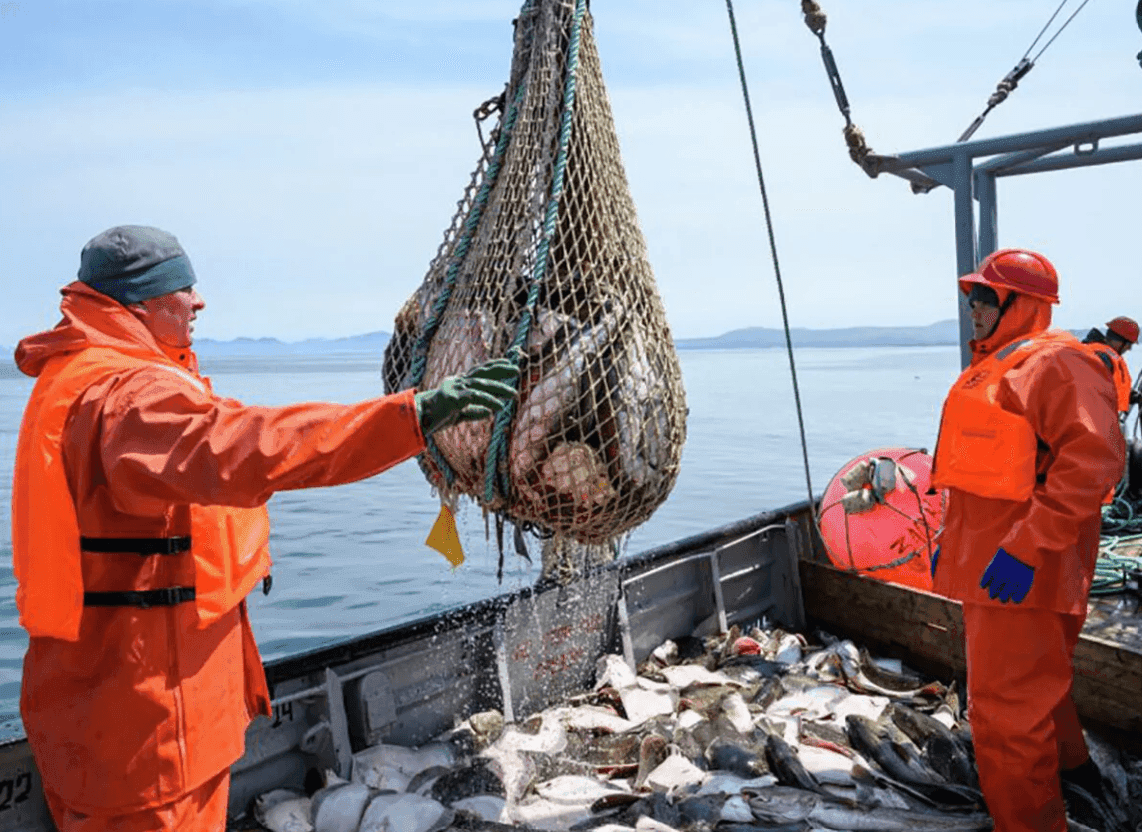
On February 1, 2025, President Donald Trump made a major move in his tariff policy, signing three executive orders imposing a 25% tariff on seafood products imported from Canada and Mexico, and an additional 10% tariff on goods from China. The order, which took effect on February 4, is expected to cost the US seafood industry up to $1.5 billion a year.
The rationale behind the decision and its impact on the seafood industry
Trump claims the tariffs are intended to address the import of illegal drugs, particularly fentanyl, from Canada and Mexico into the United States. While seafood industry analysts have raised concerns about the negative impact, the president has insisted that “tariffs don’t cause inflation, they cause success,” and that the American people will understand the rationale behind the measures. According to calculations by Undercurrent News, the tariffs will hit US seafood importers hard, with products like Canadian lobster, snow crab, and Atlantic salmon being hit the hardest. The tariffs could increase the annual cost of importing these products by hundreds of millions of dollars.
Using Powers Under the International Emergency Economic Powers Act
To carry out the order, President Trump used powers granted to him under the International Emergency Economic Powers Act (IEEPA), a rarely used legal tool to impose tariffs. The law allows the president to impose immediate economic measures without public or congressional approval.
Trump declared a national emergency citing the flow of illicit drugs across the northern border, describing Canada as a “hub” for the importation of fentanyl and other synthetic narcotics.
International Reaction and Potential Retaliation
The imposition of tariffs has drawn immediate reactions from affected countries. Canada has said it may impose retaliatory tariffs on a number of U.S. goods, such as Florida orange juice and Tennessee whiskey. Some officials believe this could be a strategy by Trump to renegotiate the United States-Mexico-Canada Agreement (USMCA), which he signed in 2020. While the US has the right to increase or expand the scope of tariffs in the event of retaliation, this move could also lead to trade tensions between the parties.
Long-term impacts and prospects
While Trump has defended his decision, arguing that the tariffs will make “America stronger and richer,” the US seafood industry is concerned about the long-term consequences. Experts like Gavin Gibbons of the National Fisheries Institute have pointed out that imposing tariffs on seafood could increase food inflation and directly impact families who depend on seafood. At the same time, lawmakers, especially Republicans from states with close trade ties to Canada, have also expressed concerns about the tariffs.
While Trump’s executive order could be challenged in court, the administration could keep the tariffs in place while the legal process plays out. Congress could also have the power to end the national emergency, although that remains unclear. Overall, the new tariffs would represent a significant change in tariff policy and could increase trade tensions between the United States and its major trading partners.
Source: VASEP