Durian faces difficulties when exported to China
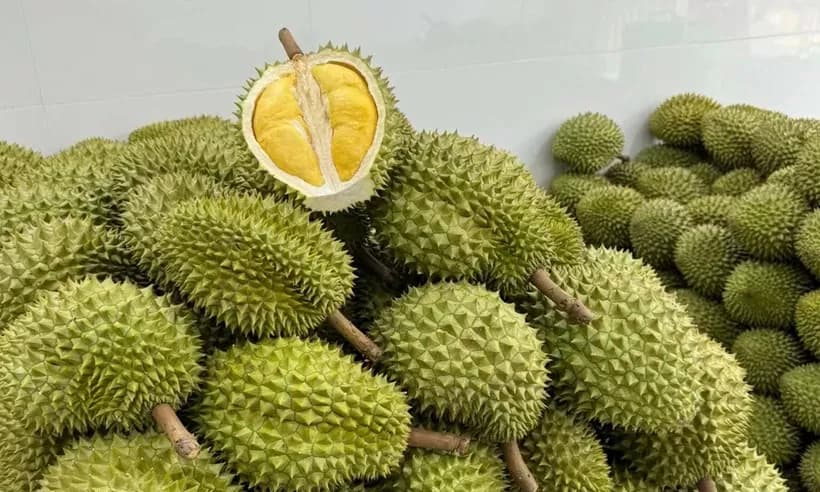
China has added yellow O substance testing, making it difficult for Vietnamese durian to be exported to this market.
Tightening inspection of yellow O substance in exported durian
Recently, a durian export company said that it had to turn back 10 containers of durian with a total weight of 170 tons because it could not clear customs at the border gate. The reason is that China has applied stricter inspection regulations, especially the requirement to test for yellow O - a chemical that can cause cancer.
5 of them were returned by Chinese Customs because the company did not have a yellow O inspection certificate. The company also turned back the remaining 5 containers to Hanoi because they did not have the certificate. Because they could not export, the company was forced to sell at a low price to avoid losses.
According to the company representative, this was the first time the company had to return goods because they had previously only tested for cadmium and all met the standards. Due to market fluctuations, the company was forced to stop exporting to wait for more specific instructions from the other country.
As a fruit exporter to the Chinese market, Ms. Ngo Tuong Vy - General Director of Chanh Thu Company - said that at this time, the company is also stopping durian shipments to the Chinese market to research and prepare documents to meet new requirements. When all procedures are completed, the company will continue exporting.
The entire durian export industry in Vietnam is facing difficulties from new inspection regulations. The reason is that China discovered some batches of Thai durian contaminated with yellow O in the last months of 2024 and this market has issued regulations to tighten inspection. Faced with the sudden change, many Vietnamese businesses have not had time to adapt, leading to the situation of goods being returned or waiting for a long time at the border gate.
There needs to be positive action to support businesses.
Speaking to reporters from the Industry and Trade Newspaper, Mr. Dang Phuc Nguyen - General Secretary of the Vietnam Fruit and Vegetable Association (Vinafruit) - said that China checks 100% of export shipments and it can take up to a week to clear customs, causing durian exports to be interrupted. Chinese customs determined that yellow O can contaminate the fruit flesh, so it must be checked inside. Chinese authorities also warned against using returned durian for frozen processing because it is likely to encounter similar control problems as fresh durian.
The Vietnam Fruit and Vegetable Association is also warning businesses that containers that cannot be exported must not be sold to consumers or processed before taking samples for yellow O residue testing. If no residue is found, they can be sold, but if there are chemical residues, they must be destroyed so as not to affect the reputation and also to protect the safety of consumers.
Durian is entering peak consumption weeks due to the Lunar New Year. If there is no quick solution to ensure the safety of exported durian, the price of durian will drop sharply after the Lunar New Year holiday. Therefore, Mr. Dang Phuc Nguyen suggested that Vietnamese authorities need to quickly have many testing laboratories to issue safety certificates, with no yellow O residue, so as not to disrupt durian export activities.
Durian is a key export item of Vietnam, reaching a record turnover of about 3.3 billion USD in 2024, an increase of more than 1 billion USD compared to 2023. The strong growth of durian has helped the Vietnamese fruit and vegetable industry achieve an export turnover of over 7 billion USD.
Each year, the Chinese market imports fresh durian worth 7 billion USD and this figure is expected to exceed 10 billion USD in the next few years. In addition, China also spends 1 billion USD on frozen durian and is expected to increase rapidly over the years.
Yellow O is a synthetic dye with a bright yellow color. It is possible that some importers import yellow O and require the manufacturer to use it to enhance the color of durian. Prolonged exposure to this substance can be harmful, some studies show that it can cause cancer. Its use is restricted or banned in some countries, especially for food or cosmetic applications due to safety concerns.
Source: Cong Thuong Newspaper