Vietnamese agricultural and food products receive 12 warnings from the EU
Since the beginning of the year, the EU has sent 12 warnings due to Vietnamese agricultural and food products violating food safety regulations of this market.
The Vietnam National Sanitation and Plant Quarantine Information and Enquiry Point (Vietnam SPS Office) said that in just over 40 days of the first half of this year, the European Union (EU) sent 12 warnings due to Vietnamese agricultural and food products violating the food safety regulations of this market.
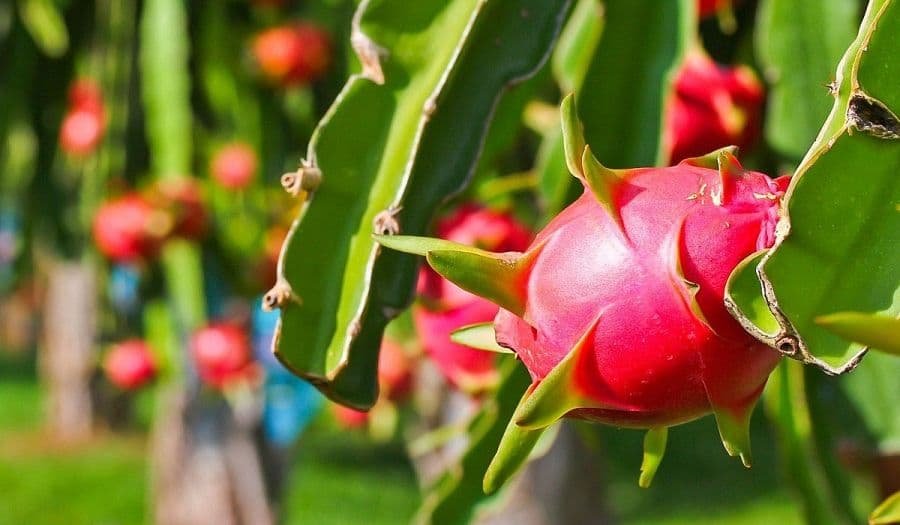
Of which, 3 warnings were related to dragon fruit, due to pesticide residue exceeding the permitted threshold. Accordingly, 3 dragon fruit shipments of 3 companies in Tien Giang and Ho Chi Minh City were warned due to the detection of pesticide residue exceeding the threshold.
Specifically, Pyraclostrobin exceeded 0.050±0.025mg/kg, Dithiocarbamates exceeded 0.15mg/kg, Forchlorfenuron exceeded 0.023±0.012mg/kg, Propiconazole exceeded 0.029±0.015mg/kg, Thiamethoxam exceeded 0.10±0.05mg/kg, Dithiocarbamates exceeded 1.2±0.60mg/kg. While the maximum allowable residue is only from 0.01 to 0.05mg/kg. These 3 dragon fruit shipments were returned by the EU, destroyed and sealed at customs for processing.
Mr. Ngo Xuan Nam - Deputy Director of the Vietnam SPS Office - said that currently, Vietnamese dragon fruit is being inspected by the EU at a frequency of 30% at the border gate, along with that, export shipments must have a certificate of pesticide residue analysis results. According to regulations, the EU will meet every 6 months to review food safety violations of agricultural and food exporting countries.
Over the past month, dragon fruit has received 3 warnings. In the coming time, if pesticide residues are not well controlled according to regulations, and the EU continues to detect more violations, dragon fruit is at risk of having its inspection frequency increased to 50%.
The maximum allowable residue is very low, mostly not exceeding 0.01 mg/kg. Therefore, Mr. Ngo Xuan Nam recommends that growing areas, packaging facilities, and enterprises exporting to the EU market must also have solutions to control pesticide residues. Localities with dragon fruit growing areas must also strengthen inspection and supervision of this matter.
Explaining why dragon fruit shipments before export had certificates of pesticide residue analysis results but when the EU inspected, many violations were still detected, Mr. Ngo Xuan Nam said that the sampling results were only valid on the analyzed samples, while the EU took random samples.
The reason for the difference may be that during the process of purchasing dragon fruit, businesses buy from many raw material areas, including growing areas that do not control pesticide residues well, which affects the entire shipment.
If dragon fruit is taken from raw material areas that have good control over food safety and pesticide use, the possibility of discrepancies in results will be very low. However, if a shipment is purchased from many raw material areas, businesses must ensure objective sampling to ensure that the re-inspection results are also objective.
Previously, according to the Vietnam SPS Office, in 2024, Vietnam received 114 warnings from the EU, double that of 2023. Of which, dragon fruit had 7 warnings, all related to pesticide residues exceeding the permitted threshold. In addition, many shipments of durian and chili were also warned due to pesticide residues exceeding the permitted threshold.Currently, the EU is applying a border gate inspection frequency of 20% for durian, 30% for dragon fruit, and chili and okra are subject to a frequency of 50%. In addition, dragon fruit, chili, and okra must be accompanied by a certificate of pesticide residue analysis results before being exported to the EU.
Source: Cong Thuong Newspaper