Clearing procedural bottlenecks for certified export shrimp raw materials
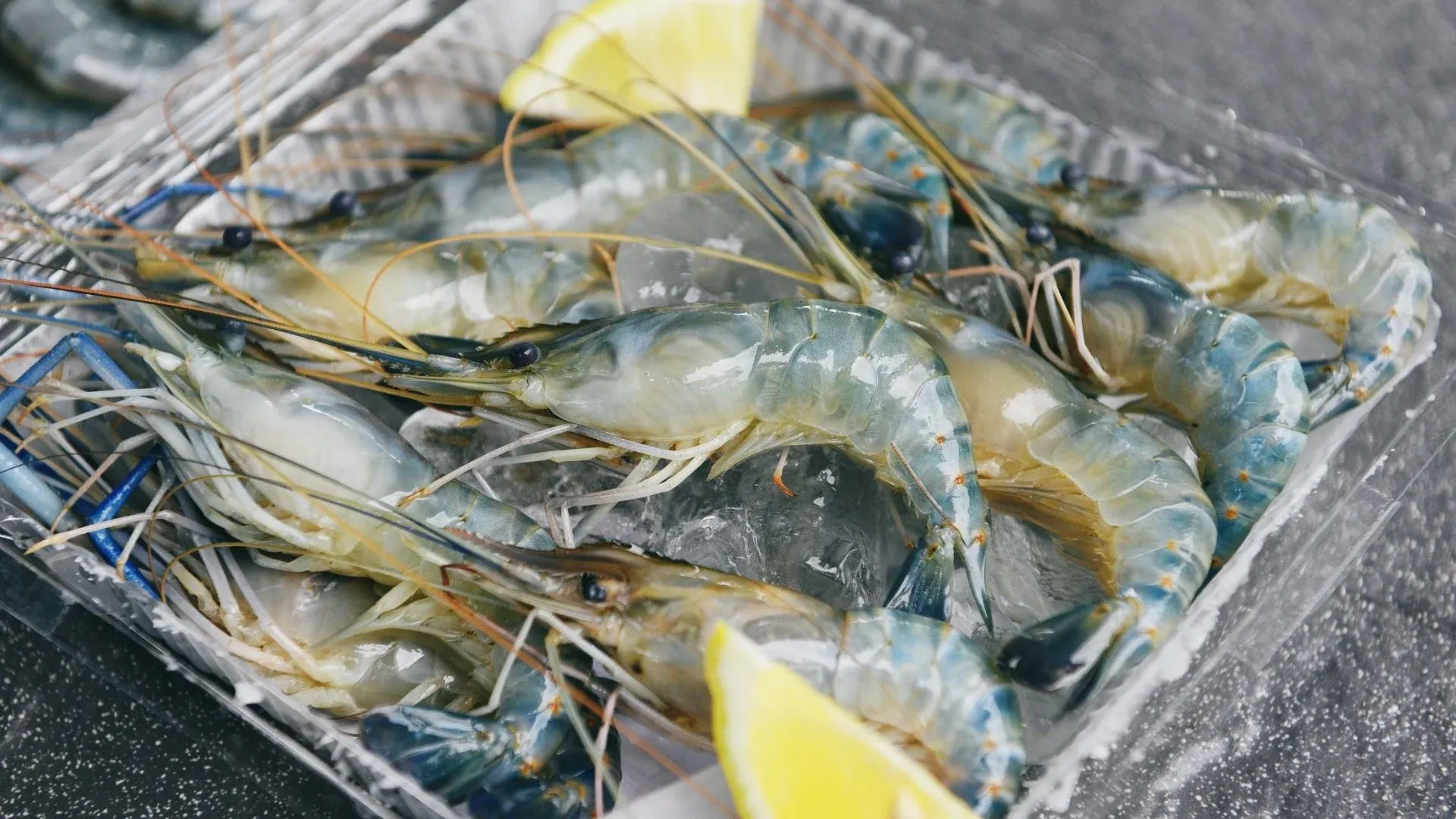
The Southern Region Branch of the Department of Quality, Processing, and Market Development has recently added an appendix specifying the subjects and scope of monitoring under the 2026 Residue Monitoring Program for toxic substances in animals and aquaculture products in the Southern region. The decision was issued following petitions from businesses experiencing procedural hurdles in certifying shrimp export shipments.
After shrimp export enterprises in Ca Mau "called for help" due to omissions in the monitoring subjects—which left raw shrimp materials ineligible for health certificates required for export to the EU and equivalent markets, causing direct financial losses—the Southern Branch of the Department of Quality, Processing, and Market Development (NAFIQPM) issued an adjusting official dispatch.
Acting on instructions from the NAFIQPM Department under the Ministry of Agriculture and Environment regarding adjustments and updates to the 2026 Residue Monitoring Program in the Southern region, the Southern Branch of NAFIQPM has amended the monitoring subjects and scope.
According to the updated appendix, the subjects and scope of monitoring now include: Black tiger shrimp; whiteleg shrimp; banana shrimp; greasyback shrimp; pangasius; red tilapia; catfish (yellow catfish, African catfish); bronze featherback/clown featherback; barramundi; naked catfish; snakehead fish; tilapia; climbing perch; and eels.
The monitoring scope covers 222 farming areas (communes and wards) across Southern provinces and cities, including: 7 farming areas in Lam Dong; 3 in Dong Nai; 9 in Tay Ninh; 3 in Ho Chi Minh City; 36 in Dong Thap; 35 in An Giang; 38 in Vĩnh Long; 36 in Can Tho; and 55 in Ca Mau.
As previously reported by Tien Phong, based on petitions from shrimp exporters, the Ca Mau Association of Seafood Exporters and Producers (CASEP) sent an official dispatch to the Vietnam Association of Seafood Exporters and Producers (VASEP), requesting an appeal to NAFIQPM to support the removal of obstacles regarding farming areas and residue monitoring subjects for seafood enterprises in Ca Mau.
Previously, businesses reported that the 2026 appendix for monitoring categories, subjects, and scope did not fully include indigenous shrimp species (black tiger shrimp, banana shrimp, greasyback shrimp, and whiteleg shrimp) in key farming areas within Ca Mau province. This resulted in indigenous shrimp purchased from localities not listed in the directory being ineligible for health certificates for the EU and equivalent markets, leading to canceled orders and incurred warehousing costs.
Immediately following these reports, VASEP submitted a written petition to the competent authorities for resolution. VASEP proposed that authorities continue to support supplementary registration and the issuance of certificates for shrimp export shipments based on previously monitored farming areas, ensuring the continuity of raw material regions and certification procedures for export. "The prompt reception and resolution of these bottlenecks by the authorities enable shrimp enterprises to maintain production and export, continuing the goal of double-digit export growth this year," a VASEP leader stated.
Source: Bao Tien Phong