Driving deep processing to elevate the value of Vietnamese cocoa
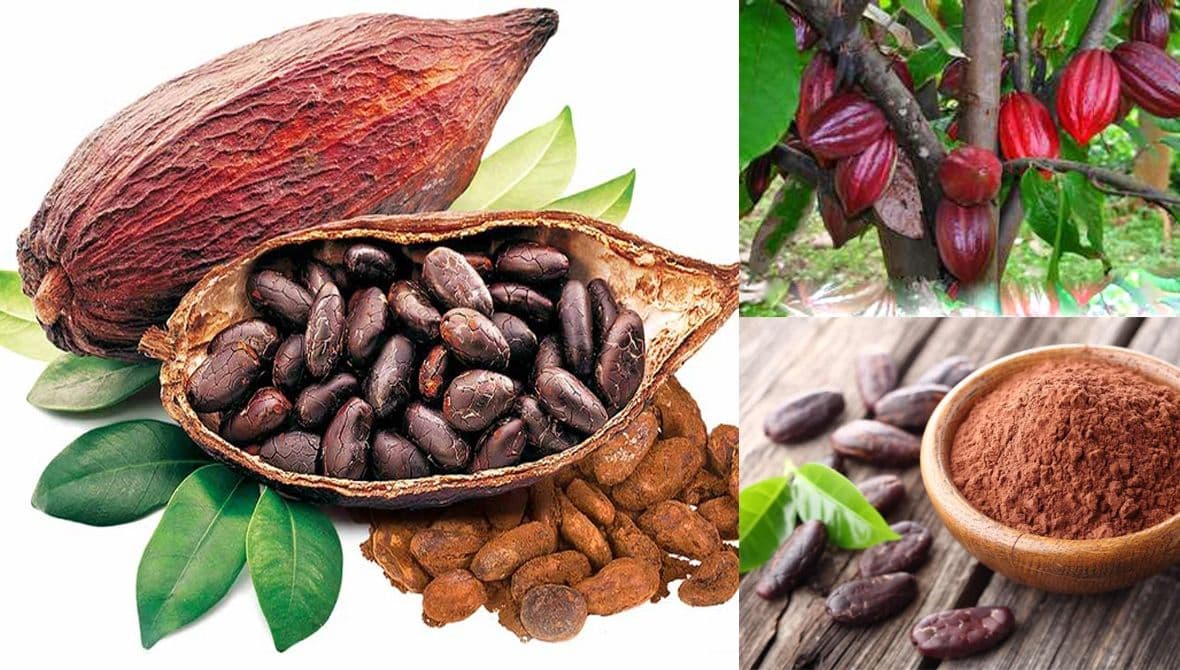
Despite possessing a rare source of high-quality cocoa, Vietnam continues to face a chocolate trade deficit, with imported products accounting for up to 60% of the domestic retail market. This paradox highlights the urgent need to promote deep processing, enhance value addition from cocoa to chocolate, and move towards building a sustainable value chain for Vietnam’s cocoa sector.
On April 3, 2026, the Forestry and Agriculture Policy Research Network, in collaboration with the Sustainable Coffee Network, organized a webinar titled “Entrepreneurship journey in high-quality coffee and cocoa: Linking farmers for sustainable development.” The event attracted significant interest from experts, businesses, and students from agricultural and forestry universities.
FROM HIGH-QUALITY RAW MATERIALS TO THE CHALLENGE OF CHOCOLATE PRODUCTION
Vietnam is gradually establishing its position on the global cocoa map, despite relatively modest output. Each year, the country exports approximately 2,000–3,500 tons of cocoa, significantly lower than Indonesia, Côte d’Ivoire, or Malaysia. However, Vietnamese cocoa beans are recognized by the International Cocoa Organization (ICCO) as belonging to the rare category of fine-quality cocoa, with markets spanning Malaysia, Japan, Europe, and the United States.
The chocolate confectionery market is expanding as younger generations gain greater exposure to Western culture. Chocolate has become a popular gift for loved ones, friends, and corporate clients on occasions such as Valentine’s Day, Christmas, weddings, and New Year celebrations.
Cocoa is the primary raw material for chocolate production. After grinding, cocoa beans are separated into cocoa butter and cocoa powder. White chocolate is made from cocoa butter combined with sugar and milk, while dark chocolate contains cocoa powder, with higher cocoa content resulting in a more bitter and less sweet taste. This aligns with current consumption trends in the premium segment.
Once considered a secondary crop, cocoa is experiencing a notable revival in Vietnam. About a decade ago, many farmers in Đắk Lắk abandoned cocoa due to low prices and unstable markets. Today, thanks to stronger linkages between farmers and enterprises, cocoa cultivation has regained momentum. The purchase price of fermented dry cocoa beans ranges from VND 150,000 to VND 230,000 per kilogram, providing stable and relatively high income for growers.
Beyond exporting raw materials, many cooperatives and domestic enterprises have invested in deep processing. “Made in Vietnam” chocolate products are now present in more than 20 countries. According to international experts, Vietnam’s small production scale is an advantage, enabling a focus on high quality and distinctive flavors suited to premium segments. In particular, fine flavor cocoa opens opportunities for exporting high-end chocolate to demanding markets such as Japan, Europe, and North America.
However, Vietnam’s cocoa sector still faces multiple challenges. Despite strong potential, production and exports remain limited and not commensurate with existing advantages. The country continues to run a chocolate trade deficit, with imports accounting for 60% of the retail market and growing at 15–20% annually.
The main reasons include the limited competitiveness of domestic products in terms of quality, design, and premium positioning. In addition, high production and storage costs for fresh chocolate lead many businesses to favor imports over local production. Addressing these challenges is essential for sustainable sector development and value enhancement.
ELEVATING THE VIETNAMESE COCOA VALUE CHAIN
Speaking at the webinar, Mr. Lê Văn Hoàng, CEO of Bazan Đắk Nông Coffee Company Limited, shared that the company began engaging with cocoa in 2017. At that time, farmers in the Central Highlands lacked standardized processing practices. In response, the company proactively conducted research, organized processing activities, and sought market outlets. By 2017–2018, high-quality cocoa product lines were gradually developed, enabling the company to access major clients.
The company has since established a stable raw material area, collaborated with numerous farmers, and maintained continuous training programs. The key factor in strengthening farmer engagement is trust and clear economic benefits. The company organizes experiential training models, allowing farmers to directly verify production efficiency. Once successful, the company commits to purchasing at prices higher than the market. It also supports infrastructure such as pre-processing facilities and equipment, helping reduce labor and improve efficiency.
Cooperative groups have been formed, with farmers participating in quality evaluation through tasting sessions and internal competitions. Products meeting standards are purchased at VND 15,000–20,000 per kilogram above market price, creating incentives to improve quality. Currently, the company collaborates with around five coffee cooperatives and over 100 farming households; for cocoa, it partners with six to seven cooperatives, forming a stable supply base.
In the context of increasingly stringent global regulations, Vietnam’s cocoa and coffee sectors need to transition toward transparency, full-chain quality control, and stronger farmer linkages. This is a critical pathway to enhancing value and achieving sustainable development,” said Mr. Tô Xuân Phúc, expert at Forest Trends.
In addition to serving the domestic market, the company’s chocolate products have reached Japan and the United States. The company previously operated a retail outlet in Osaka and continues distribution activities. Its two core product lines are coffee and cocoa, with cocoa processed into chocolate. Notably, each production batch is accompanied by a detailed “profile” documenting origin, processes, and quality, ensuring full traceability.
According to Mr. Hoàng, raw material areas and primary processing are decisive factors for the cocoa industry. The number of enterprises investing systematically remains limited, creating opportunities for pioneering players. The company is currently developing over 100 hectares of cocoa and experimenting with high-quality product lines for international competitions.
Mr. Tô Xuân Phúc added that the global chocolate market reached approximately USD 130.72 billion in 2024 and is projected to grow to USD 172.89 billion by 2030, with an average annual growth rate of 4.17%. Segments such as organic, vegan, and sugar-free chocolate are expanding rapidly. Meanwhile, Vietnam’s cocoa production is only around 6,000 tons per year but of high quality, offering opportunities for businesses to enter the premium segment.
Source: VNECONOMY