Europe fears disruption to global agricultural trade
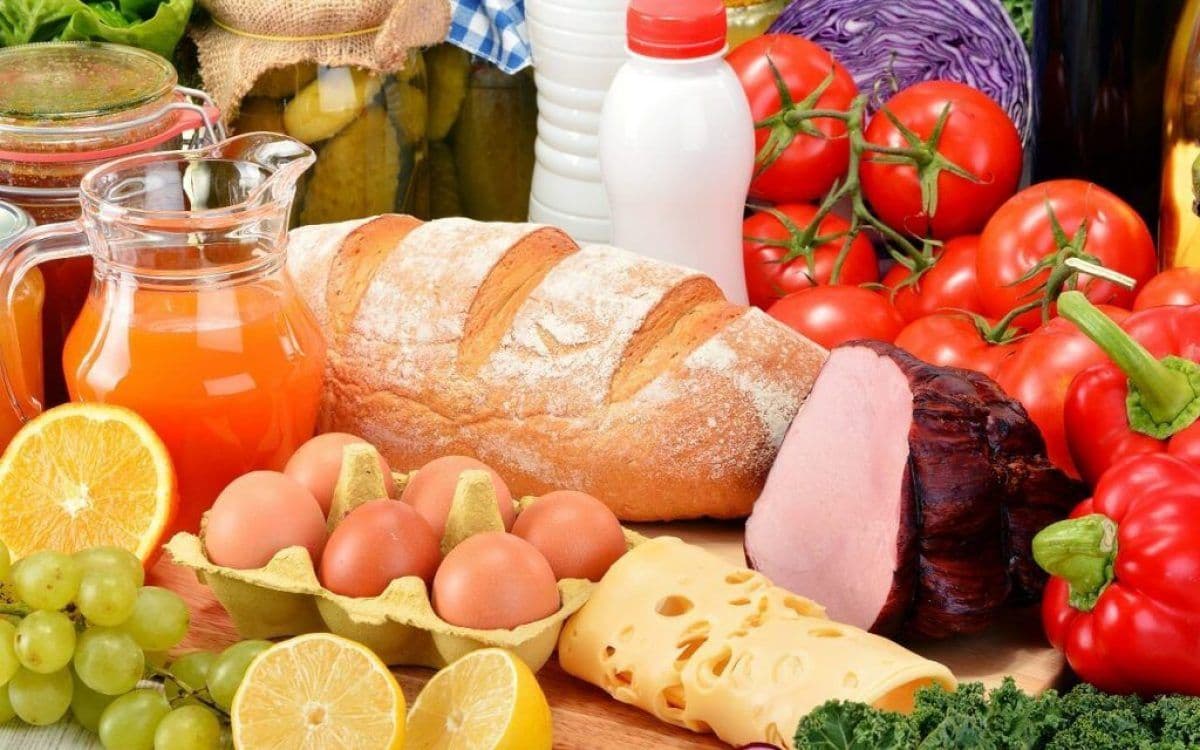
European agricultural exporting countries are also in a state of uncertainty, as the US is starting to use tax tools to prevent imported goods.
It seems that the world's largest economies are preparing for a large-scale tariff war after escalating tensions. European agricultural exporting countries are also in a state of uncertainty, as the US is starting to use tax tools to prevent imported goods, Canada and China are also retaliating against each other in the same way. 1/4 of Europe's total agricultural exports go to the US market. And agricultural products from other countries that cannot enter the US also indirectly affect the European market.
The world agricultural market is stagnant, buyers and sellers are hesitant to sign new contracts, because it is impossible to know what the increase in import taxes will actually be.
“In just 10 days, the price of American corn has fallen by 11%,” “wheat by 12%,” and “soybeans by 5%,” the French newspaper Le Figaro reported last Thursday. The reason is that “the United States is now increasing tariffs on its largest customers, mainly in the agricultural sector,” and the affected countries have responded immediately. According to the article, “Canada imposed a 25% tariff on meat, eggs and wine from the United States, while China imposed additional tariffs of 10 to 15% on a range of American agricultural products, from chicken to soybeans.” The French newspaper commented: “If in 2018, the trade conflict was only between the United States and China, this time it involves more countries, creating concerns about disruption to global trade.”
European agricultural producers are worried, according to the Spanish newspaper El Economista. “The US President has announced that from April 2, tariffs will be imposed on agricultural products from any country entering the US.” The Spanish newspaper was surprised. It is true that Europe has a trade surplus with the US, but in terms of agricultural products, “it is natural that the balance of payments is not imbalanced, because “the US cannot grow coffee, cannot produce enough cooking oil, tomatoes, beef... And off-season fruits, if they do not import, Americans will not have tomatoes in December. In return, the US also needs to sell some of the agricultural products it has a surplus of, such as soybeans, corn and milk.” The article satirized: “The US tax increase plan encourages Americans to stop eating fruits and vegetables in the winter and instead eat more corn and soybeans, which the US grows itself.”
European countries cannot understand whether the US President said that raising taxes is just to put pressure, or if he will actually do it. The way the tax is declared to be very high, then postponed just before the implementation date, saying one thing but not the other, is creating instability for European agricultural exports. Italy's Corriere della Sera newspaper reported that the country "exports 7.8 billion USD worth of agricultural products to the US, mainly from cheese, wine and olive oil". "If the US imposes a 25% tax on Italian exports, the total tax on these three items will reach 2 billion USD". Such high taxes, "in addition to reducing the competitiveness of famous Italian agricultural products, also risk promoting counterfeit goods, causing double damage to both Italian companies and US consumers".
Source: VTV