Surpassing durian, dragon fruit becomes the country's leading exported fruit
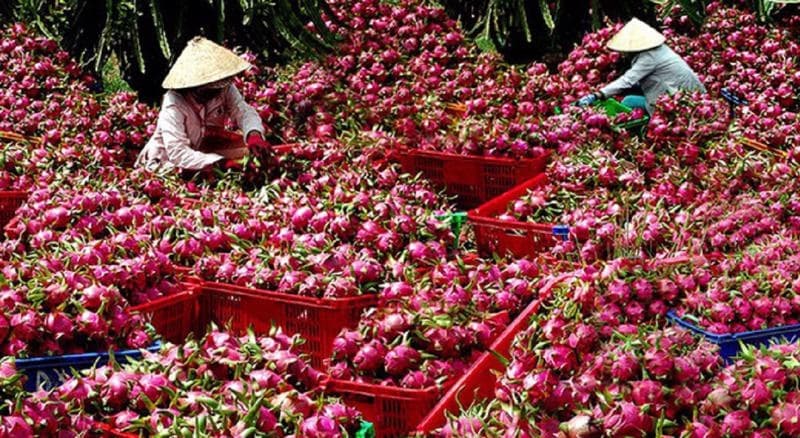
According to the report of the Vietnam Fruit and Vegetable Association, Vietnam's dragon fruit exports in January 2025 reached nearly 58 million USD, surpassing durian to become the leading exported fruit in the country. Meanwhile, durian export turnover reached only over 31 million USD, down 73% compared to the same period in 2024.
In the first month of this year, dragon fruit exports reached 57.73 million USD, although down nearly 10% compared to the same period last year, it increased sharply by 35% compared to the previous month of December 2024. The largest consumer market of Vietnam's dragon fruit is still China, reaching 38.1 million USD, followed by India with 7.17 million USD and the US with 3.38 million USD.
According to Mr. Dang Phuc Nguyen - General Secretary of the Vietnam Fruit and Vegetable Association, dragon fruit exports are recovering strongly, with January's turnover increasing by 35% compared to December 2024. This increase has pushed up the price of dragon fruit in the market, helping this fruit regain its position. Currently, each kilogram of white-fleshed dragon fruit maintains a high price, from 8,000-14,000 VND per kilogram.
In contrast, durian - the commodity that once held the "throne" of fruit and vegetable exports in 2024 - has witnessed the sharpest decline among the group of 30 exported fruits.
For two consecutive years, durian has topped the fruit export rankings of Vietnam. However, at the beginning of this year, this situation has changed. Customs data shows that durian exports have decreased sharply, especially to the Chinese market - which accounts for the majority of the output of this fruit.
Specifically, durian exports to China in January only reached 18 million USD, down more than 83% compared to the same period last year. Total durian exports in the first month of the year were only about 31 million USD. With the sharpest decline among the 30 exported fruits, durian gave way to dragon fruit (58 million USD).
Mr. Dang Phuc Nguyen said that durian was heavily affected by new regulations from China and many other markets. China tightened inspection of yellow O compound - a substance that can cause cancer - causing many durian shipments to be stuck, forcing businesses to resell in the domestic market at low prices.
Along with that, the US also banned 7 active ingredients of pesticides, and at the same time required growing area codes and packaging codes issued by the US Department of Agriculture. Europe increased the rate of pesticide inspection for many types of fruit from 10% to 20%.
Source: Vietnamexport