


Vietnamese cocoa capitalizes on its fine flavor advantage
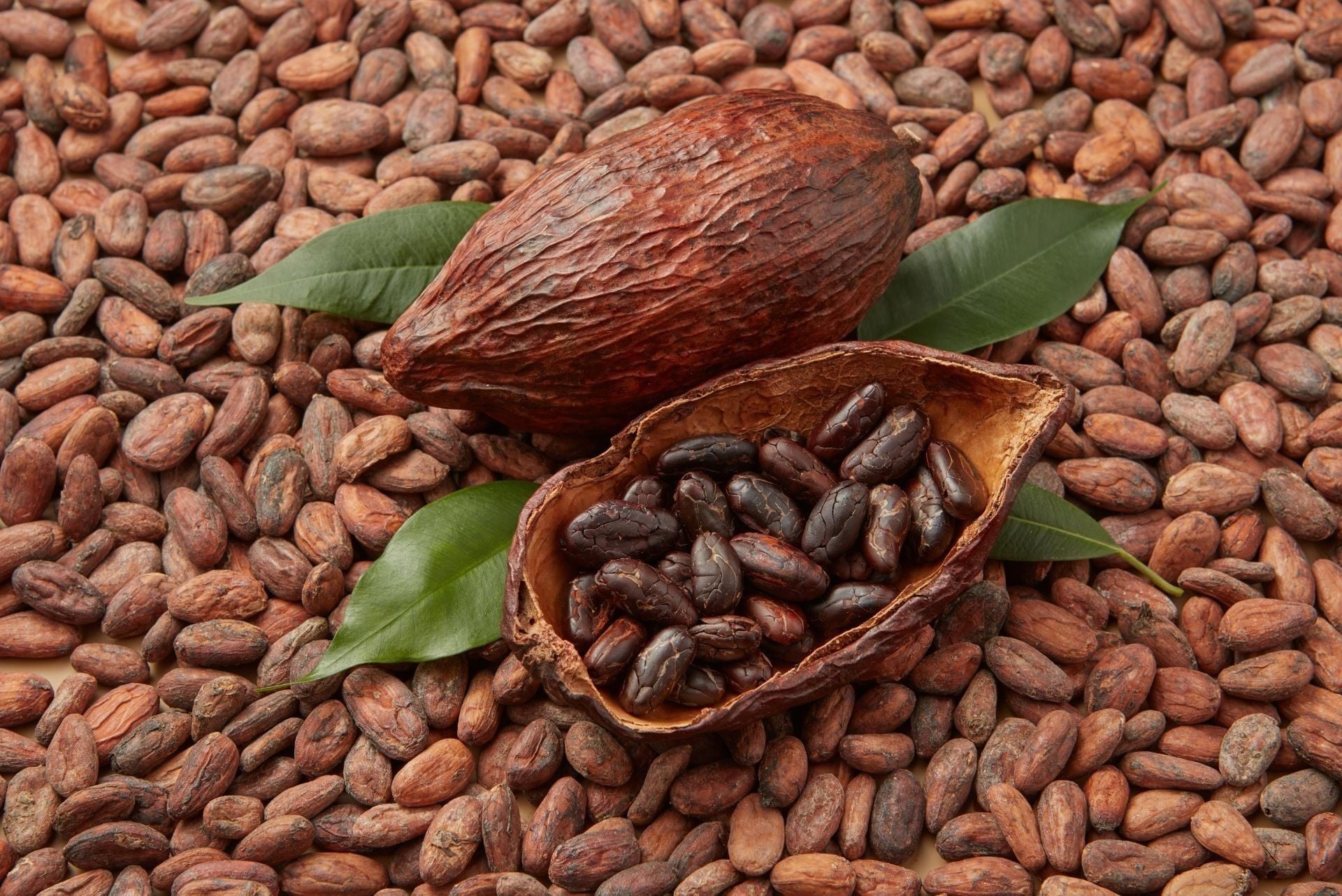
Vietnamese cocoa holds significant competitive advantages as the country is classified among producers of 100% fine flavor cocoa, a high-value segment of the global cocoa market.
According to the Vietnam Coffee and Cocoa Association (VICOFA), Vietnamese cocoa prices have remained favorable during the 2025/2026 crop season. Fresh cocoa pods are currently priced at around VND 11,000 per kilogram, providing growers with attractive profit margins.
In late September 2026, domestic prices for dried fermented cocoa beans remained at approximately VND 140,000–145,000 per kilogram. Premium-grade or organic cocoa beans could command an additional VND 15,000–20,000 per kilogram.
However, cocoa prices are facing pressure from increasing global supply. According to VICOFA, following two consecutive years of poor harvests caused by El Niño, improved weather conditions in 2026 have supported a strong recovery in West African cocoa production.
Côte d'Ivoire's cocoa output reached approximately 2.18 million tonnes by the end of September 2026, up 19.8% from the previous crop season, while Ghana's production reached around 750,000 tonnes, an increase of 25.6%.
Meanwhile, Ecuador has emerged as a major cocoa producer in South America, ranking third globally, with production expected to exceed 570,000 tonnes. This growth has been supported by high productivity, averaging 800 kilograms per hectare, and sustainable agroforestry models.
The recovery in global supply has placed downward pressure on international cocoa prices. Cocoa futures declined during the third quarter of 2026. By late September, December 2026 futures contracts were trading at approximately USD 5,400–5,600 per tonne, significantly below the peak range of USD 10,000–13,000 per tonne recorded in early 2025.
Certified cocoa inventories on the Intercontinental Exchange (ICE) also rose to their highest level in more than two years, reaching nearly 3.48 million bags by the end of September, adding further downward pressure on market prices.
Against this backdrop, fine flavor cocoa is considered Vietnam's core competitive advantage. International experts have recognized Vietnamese cocoa beans for their rich bitterness, complemented by balanced, naturally fruity acidity.
Vietnam is currently the second Asian country to be classified by the International Cocoa Organization (ICCO) among countries producing 100% fine flavor cocoa.
Although fine flavor cocoa accounts for only approximately 10–15% of global production, it represents a segment with significantly higher economic value.
Mr. Do Xuan Hien, Chief of Office at VICOFA, said Vietnam's classification in the fine flavor cocoa segment has enabled Vietnamese cocoa beans to command prices 20–30% higher than international benchmark prices.
However, maintaining this fine flavor advantage requires consistent bean quality. VICOFA emphasized the need to standardize post-harvest harvesting and fermentation procedures among farming households and cooperatives to ensure uniform quality while preserving the distinctive flavor characteristics of Vietnamese cocoa.
In addition, Vietnam's cocoa industry needs to continue developing sustainable and efficient production practices.
VICOFA plans to further expand cocoa intercropping models under fruit trees, such as durian, coconut and avocado, or industrial crops such as cashew, across the Central Highlands, Southeast Vietnam and the Mekong Delta.
At the same time, the cocoa industry is promoting cultivation practices that meet international sustainability standards, including UTZ, Rainforest Alliance and Organic certifications.
In the processing sector, VICOFA has proposed gradually reducing the proportion of raw cocoa bean exports while accelerating the transition toward higher-value products such as cocoa powder, cocoa butter and, particularly, finished chocolate products.
Companies producing chocolate locally through bean-to-bar operations are encouraged to develop their brands and create premium gift products that reflect distinctive cultural identities.
According to VICOFA, Vietnam's cocoa production currently stands at approximately 6,000 tonnes annually. The country exports around 2,000–3,500 tonnes of cocoa beans each year, with major markets including Japan, the European Union and the United States.
Vietnam's cocoa industry has developed across three main regions: the Mekong Delta (Dong Thap and Vinh Long), the Central Highlands (Dak Lak and Gia Lai), and Southeast Vietnam (Dong Nai and Ho Chi Minh City).
Although its production scale remains relatively small compared with major cocoa-producing countries, Vietnam has competitive advantages stemming from its distinctive cocoa flavor, intercropping practices and potential to develop high-value processed products.
Source: Bao Nong nghiep va Moi truong
Related Articles

Purchasing power recovers, export rice prices rise sharply
12/11/2026

Vietnamese watermelons and durians gain wider access to China
12/11/2026

Will fresh agricultural products be opened as a "green channel" across the border?
12/11/2026

Agricultural products and food to the UK: Big opportunities, strict standards
11/11/2026




