


VEFTA opens further opportunities for Vietnamese seafood exports and supply chain cooperation
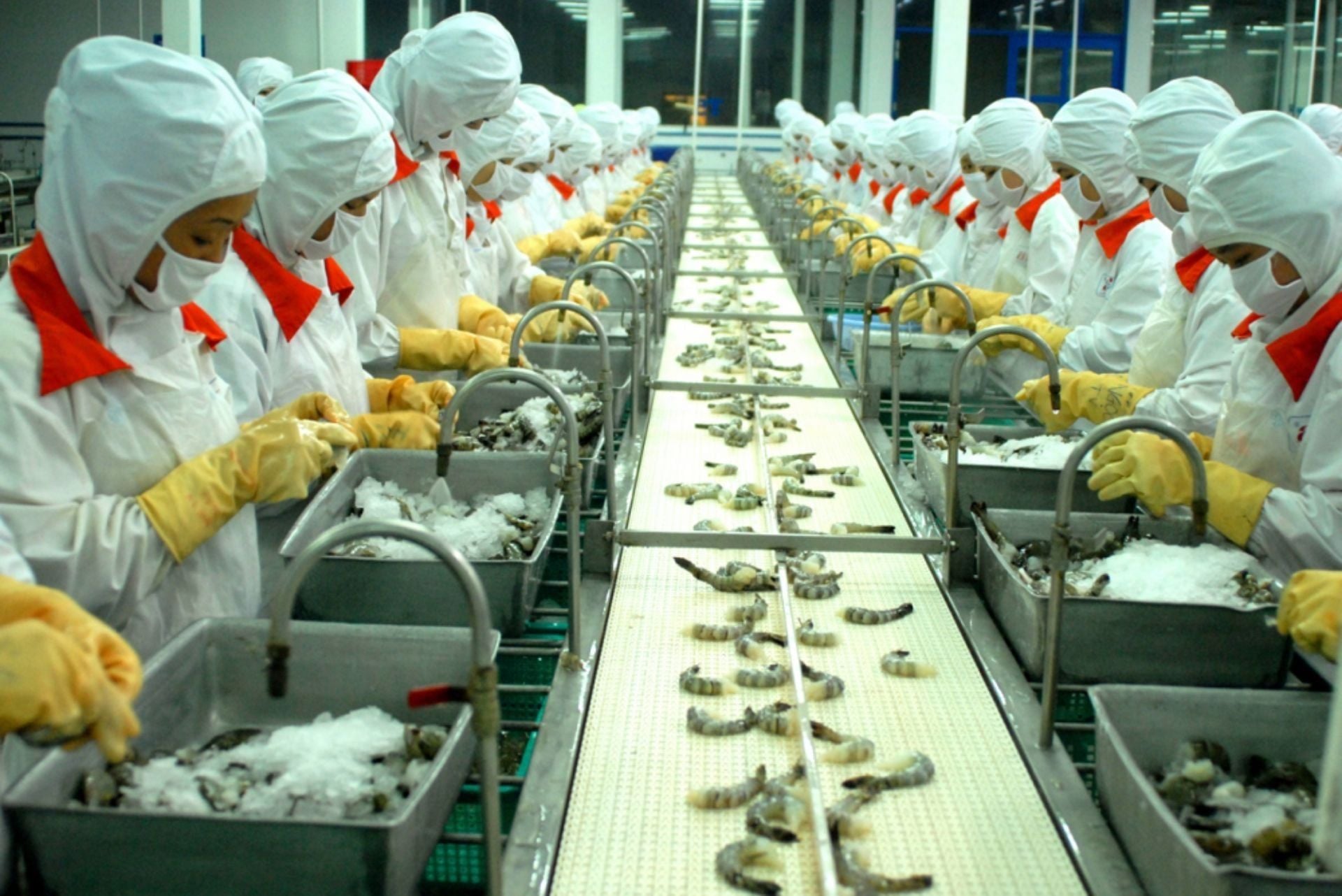
The official signing of the Free Trade Agreement between Vietnam and the European Free Trade Association (EFTA) - VEFTA - on October 18, 2026, is expected to unlock new opportunities for Vietnam's seafood industry, not only in exporting to high-income markets but also in collaborating on raw material sourcing, processing technology, and supply chain development.
On October 18, 2026, in Hanoi, witnessed by General Secretary and President To Lam, Minister of Industry and Trade Le Manh Hung and representatives from the four EFTA member states (Switzerland, Norway, Iceland, and Liechtenstein) officially signed the VEFTA Agreement.
The agreement covers a broad scope of commitments, including trade in goods, services, investment, intellectual property, customs, sanitary and phytosanitary (SPS) measures, as well as trade and sustainable development. Two-way trade turnover between Vietnam and EFTA currently averages nearly USD 2 billion annually.
For the seafood industry, VEFTA is expected to facilitate two-way commercial flows while expanding cooperative opportunities between Vietnamese enterprises and partners possessing key strengths in harvesting, processing, and marine technology.
Opportunities to expand exports into high-end markets
According to Vietnam Customs data, during the first 9 months of 2026, Vietnam's seafood exports to Switzerland reached over USD 25 million, down 10% year-on-year; exports to Norway reached USD 12 million, down 5%.
These results indicate that market headroom remains, particularly for high value-added seafood products.
Ms. Le Hang, Deputy Secretary General of VASEP, remarked that Switzerland represents a notable target market for Vietnamese seafood exports due to high purchasing power and demand for quality, origin-transparent products produced through sustainable methods.
Among these, eco-shrimp—specifically mangrove-reared forest shrimp—serves as one of Vietnam's unique advantages. Beyond fulfilling food needs, the product integrates environmental protection and community livelihood values, creating distinct differentiation in the high-end segment.
Alongside shrimp, VEFTA is also expected to open additional avenues for pangasius, processed tuna, and value-added seafood commodities.
However, to capitalize on tariff preferences once the agreement enters into force, enterprises must satisfy rules of origin, food safety requirements, origin traceability, and destination-specific sustainability standards.
Fostering raw material and processing technology cooperation
Beyond export opportunities, a major benefit from VEFTA lies in strengthening cooperation with Norway and Iceland—two nations with advanced marine harvesting, aquaculture, and processing sectors.
According to Ms. Le Hang, Vietnam's seafood processing sector has established a network of processing plants, equipment, cold storage facilities, and workforce capacity capable of meeting international market mandates. However, domestic raw material supplies do not always fully satisfy volume, species variety, and seasonal demands.
Expanding raw material imports from Norway and Iceland—such as salmon, cod, mackerel, and herring—can help Vietnamese enterprises diversify supply sources, maximize processing capacity, and develop finished export products.
Furthermore, Vietnam can step up cooperation in harvesting technologies, onboard cold preservation, electronic traceability, deep processing, and seafood by-product utilization. In particular, Iceland's expertise in extracting value from by-products represents a notable collaborative direction for Vietnam's shrimp, pangasius, and tuna processing industries.
In the opposite direction, VEFTA facilitates EFTA seafood access to the Vietnamese market. Norwegian salmon will receive import duty exemptions upon entry into force, while duties on Norwegian mackerel will be phased out over a three-year schedule. This may boost imported raw material supplies while increasing competition within Vietnam's premium seafood market segment.
Enterprises need preparation to leverage VEFTA
According to VASEP Deputy Secretary General Le Hang, opportunities from VEFTA do not reside solely in tariff cuts, but in the capability to enhance competitive capacity and participate deeper in global seafood value chains.
To effectively exploit the EFTA market, enterprises must focus on supply chain management, maintain uniform quality, ensure stable supply continuity, and build product strategies tailored to individual market tiers. Regarding raw material imports for processing and re-export, enterprises must carefully study rules of origin and preference eligibility conditions at target destinations.
On VASEP's part, the association aims to step up market intelligence provision, connect businesses with Swiss importers and distributors, and promote cooperation with Norway and Iceland on raw materials, processing technology, cold chain preservation, and by-product utilization through trade promotion activities, B2B matchmakings, and specialized industry forums.
Following the signing ceremony, VEFTA still requires completion of ratification procedures to officially take effect. According to information from the Ministry of Industry and Trade, the parties aim to bring the Agreement into implementation starting in early 2027.
Against a backdrop of continuing international seafood market volatility, VEFTA is expected to contribute to market diversification, expand raw material sourcing, and propel Vietnam's seafood industry toward deep processing, higher value addition, and sustainable development.
Source: VASEP
Related Articles

Purchasing power recovers, export rice prices rise sharply
12/11/2026

Vietnamese watermelons and durians gain wider access to China
12/11/2026

Will fresh agricultural products be opened as a "green channel" across the border?
12/11/2026

Agricultural products and food to the UK: Big opportunities, strict standards
11/11/2026




