


US raises anti-dumping duties on Indian shrimp as supply dynamics continue to shift
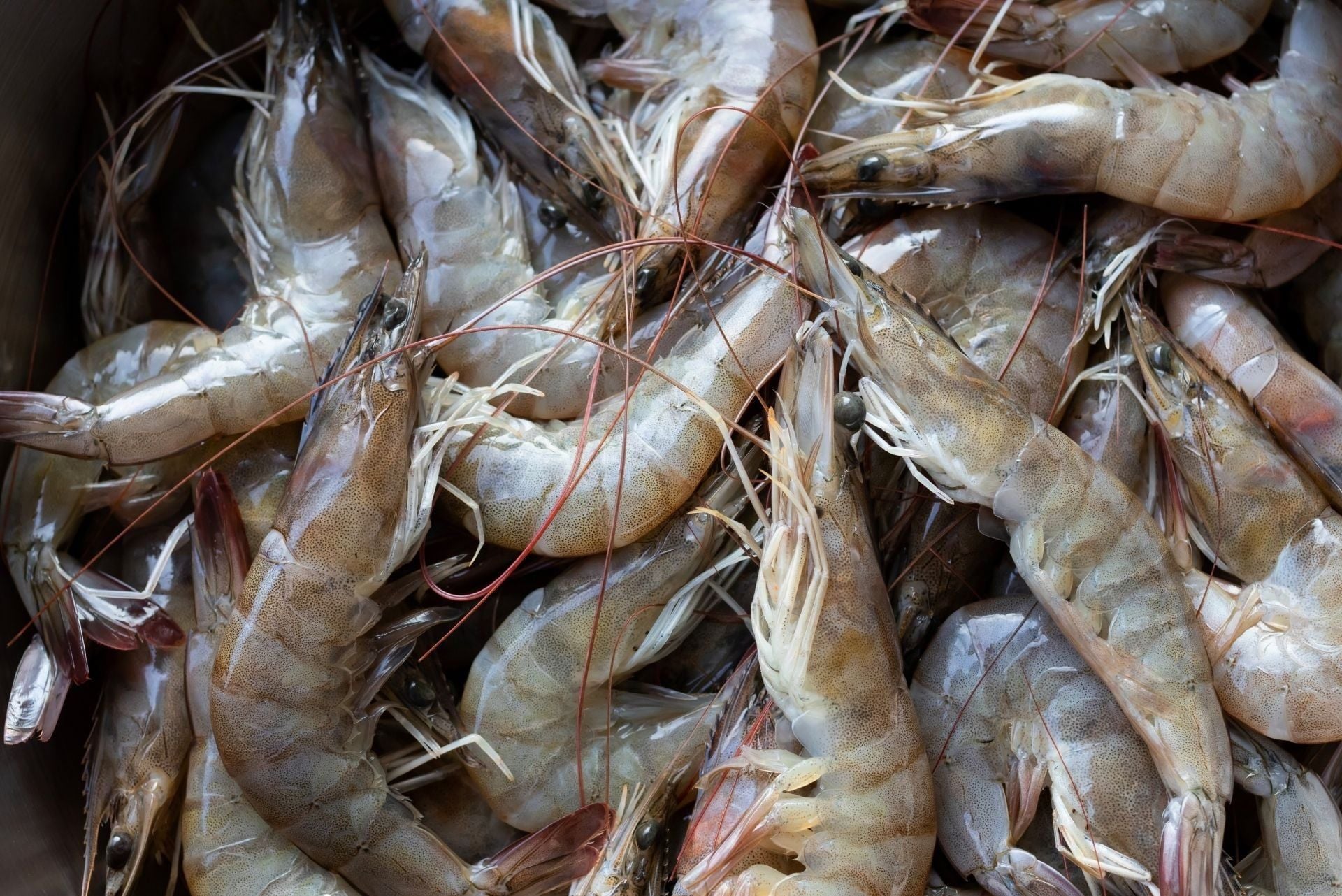
The US Department of Commerce (DOC) has officially announced the final results of the 20th administrative review (POR20) regarding the anti-dumping duty order on frozen warmwater shrimp imported from India. The finalized duty margins were determined to be significantly higher than the preliminary determinations, while shrimp supply in the US market continues to display marked divergence among exporting nations.
Anti-dumping duties on Indian shrimp rise sharply
According to the Vietnam Association of Seafood Exporters and Producers (VASEP), the review results apply to import consignments entered between February 1, 2024, and January 31, 2025.
Under the DOC’s final determination, the dumping margin for Sandhya Aqua Exports was finalized at 7.01%. The mandatory respondent group—comprising Devi Fisheries, Satya Seafoods, Usha Seafoods, and Devi Aquatech—faces a rate of 4.04%.
Meanwhile, 106 non-selected Indian exporters subject to the review were assigned a duty rate of 5.53%.
All of these margins represent noticeable upward revisions from the preliminary findings released by the DOC in May. Specifically, the duty applicable to Sandhya Aqua Exports rose from 4.30% to 7.01%; the Devi Fisheries group increased from 2.36% to 4.04%; and the rate for remaining review-eligible enterprises climbed from 3.33% to 5.53%.
Compared to the final results of the 19th administrative review (POR19), the rate for Sandhya Aqua Exports similarly escalated from 5.08% to 7.01%. The Devi Fisheries cohort rose from 2.71% to 4.04%, while non-individually examined firms saw their rate increase from 3.76% to 5.53%.
Notably, throughout the period of review, the vast majority of Indian shrimp exporters were subject to an initial cash deposit rate of only 1.35%. Consequently, the steeper final duty rates will trigger retroactive cash duty liabilities for consignments entered during the period of review.
According to VASEP, the outcome of POR20 not only establishes the definitive anti-dumping duty assessments payable on entries during the review period, but also serves as the baseline to set new cash deposit requirements for future import consignments.
This regulatory escalation takes place against the backdrop of significant shifts across the US shrimp market regarding both consumer purchasing power and supplier market shares.
Retail prices soften as US shrimp supply sources diverge
Following a period of elevated retail prices, the US shrimp market is exhibiting signs of cooling down. Industry data from September 24 indicates that the average US retail shrimp price retreated to approximately USD 9.52 per pound, drawing close to levels recorded prior to major tariff actions impacting the market.
Lower promotional pricing has also helped stimulate consumer buying. Weekly retail volume sales were estimated at roughly 13.6 million pounds—the highest volume in multiple years—following a prolonged stretch of subdued seasonal demand.
This shift marks a contrast to early 2026. According to Expana, across the first nine weeks of the year, average US retail shrimp prices stood at USD 9.65/lb, while promotional price points averaged up to USD 8.53/lb, reaching a five-year peak.
On the import side, customs statistics show that the United States imported 76,429 metric tons of shrimp in July 2026, up 6% from 72,176 tons in the same month of the prior year. However, across the first seven months of the year, cumulative shrimp import volume reached 463,657 tons, down 4% year-on-year.
The composition of foreign suppliers continues to undergo a visible realignment. Ecuador stands out as a prime expanding supplier, shipping 27,519 tons of shrimp to the US in July—a 52% surge year-on-year. Cumulatively over seven months, Ecuador exported 171,946 tons to the American market, up 31%.
In contrast, shrimp inflows from India into the US dropped 10% in July and contracted 23% across the first seven months of the year. Indonesia also recorded declines of 31% in July and 15% cumulatively through July.
For Vietnam, shrimp exports to the US in July reached 6,162 tons, up 35% compared to July 2025. Nevertheless, across the entire seven-month period, Vietnamese shipments to this market totaled 28,934 tons, contracting 12% year-on-year. The July volume surge was therefore insufficient to fully offset the deficits incurred during earlier months.
Beyond price dynamics and consumer demand, trade policy remains a decisive factor capable of altering shrimp flows into the US market. The Office of the United States Trade Representative (USTR) is currently conducting Section 301 investigations into structural overcapacity and manufacturing practices across major supplying economies, including India, Vietnam, Indonesia, and Thailand.
Furthermore, enforcement measures under Section 301 and related trade statutes concerning forced labor risks introduce an additional layer of trade compliance scrutiny across several US trading partners.
In this environment, falling US retail shrimp prices are providing support for consumer uptake, yet the broader import climate remains constrained by tariff escalations and evolving trade policy instruments. For Vietnam, the 35% year-on-year volume rebound in July represents an encouraging signal, but full-year export performance will ultimately hinge on the durability of American retail demand and forthcoming regulatory shifts in US trade policy.
Source: Tap chi Thuong Truong
Related Articles

Many Vietnamese agricultural products capture nearly half of Sweden’s market share
08/10/2026

Shrimp exports to the EU decelerate: How are Vietnamese enterprises adapting?
08/10/2026

Common fish transforms into an export commodity, helping Mekong Delta farmers hold their ground at home
08/10/2026

Seafood exports: Enterprises prepare for a tougher scenario
08/10/2026


