

U.S. President rules out diesel export ban
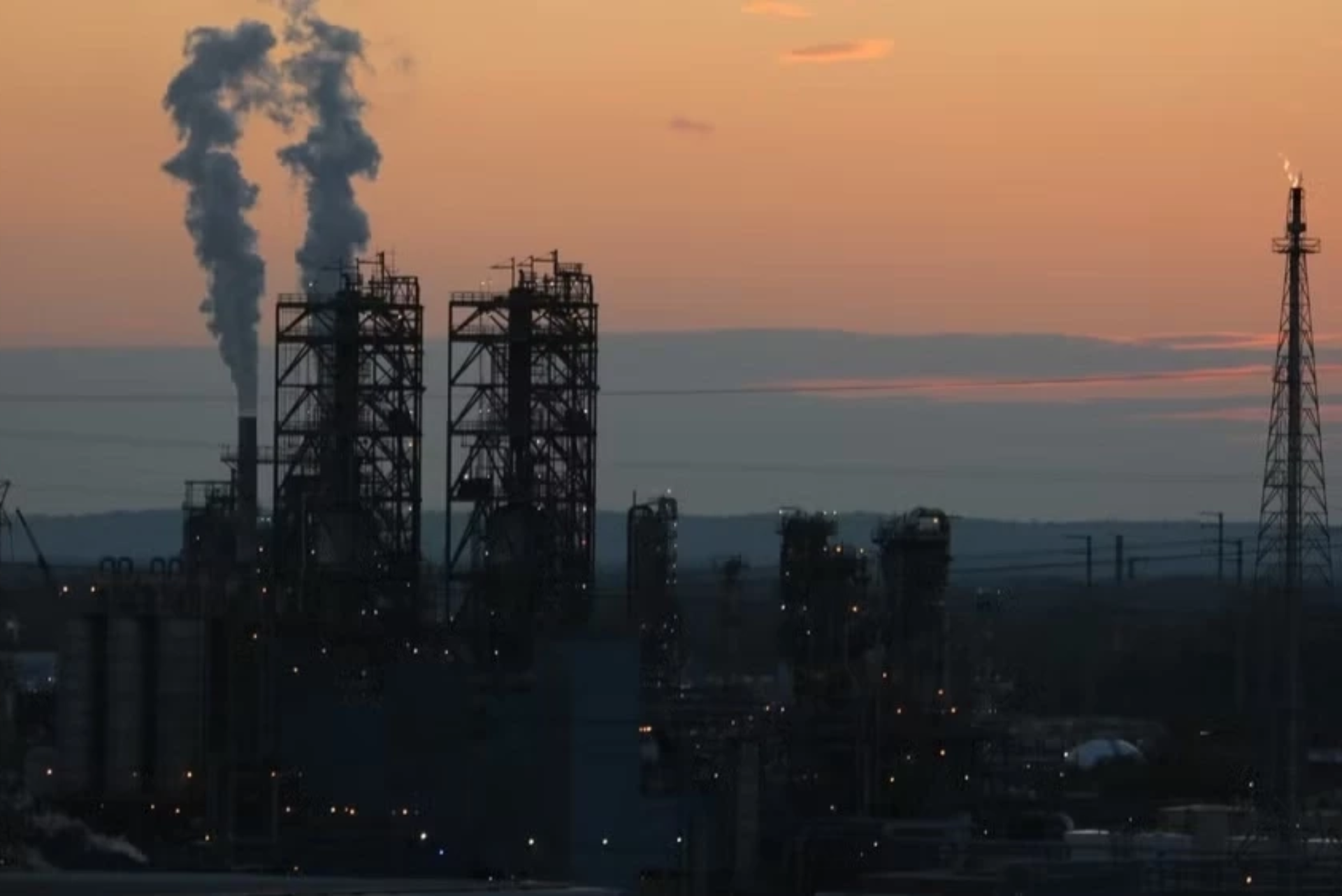
The announcement came just hours after the G7 reached an agreement on measures to address rising fuel prices.
U.S. President Donald Trump said he would not impose a ban on diesel exports. The announcement came just hours after the G7 reached an agreement on measures to address rising fuel prices.
Washington had previously left open the possibility of restricting diesel exports while urging European allies to increase supplies to the market. Removing this option has helped ease concerns that global diesel supplies could tighten further. These developments contributed to a decline in global oil prices during overnight trading.
Earlier on October 2, European Commission (EC) spokesperson Anna-Kaisa Itkonen said the European Union (EU) was ready to coordinate with the International Energy Agency (IEA) on the potential release of fuel reserves in an effort to bring down energy prices.
The scale of any potential release has yet to be confirmed. However, France proposed releasing 50 million barrels of diesel, equivalent to approximately 6.7 million tonnes, alongside 50 million barrels of crude oil from IEA emergency reserves on the morning of October 2, local time.
George Shaw, Senior Analyst for Distillate Markets at Kpler, described the proposed release of 50 million barrels of diesel as a very substantial volume. According to Kpler, the EU and the United Kingdom imported 24.25 million barrels of diesel from outside the region in September, meaning the proposed release would be equivalent to approximately twice their monthly import volume.
Analysts broadly agree that the impact on prices will depend on both the volume released and how quickly the fuel can reach the market.
Gasoline and diesel prices remain extremely high in Europe, driven not only by rising international crude oil prices but also by surging costs and constrained refining capacity. European refineries are operating close to full capacity, leaving little room to increase output.
These constraints have left Europe dependent on imported diesel. As a result, releasing refined petroleum products from EU countries’ strategic reserves could be the fastest way to influence prices.
Source: VTV
Related Articles

Purchasing power recovers, export rice prices rise sharply
12/11/2026

Vietnamese watermelons and durians gain wider access to China
12/11/2026

Will fresh agricultural products be opened as a "green channel" across the border?
12/11/2026

Agricultural products and food to the UK: Big opportunities, strict standards
11/11/2026