


Unlocking raw material flows and value chains to create breakthroughs for the cashew industry
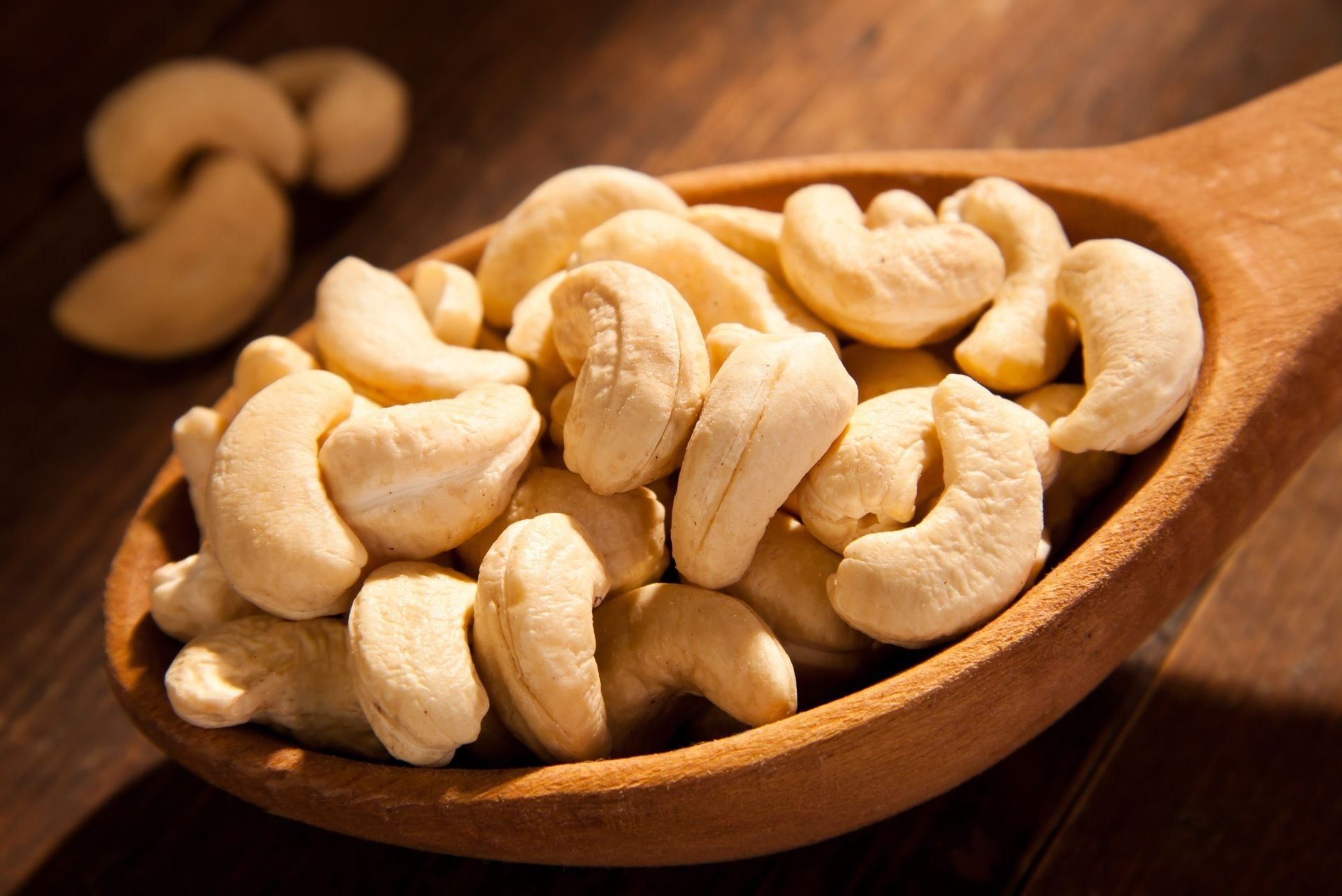
Despite maintaining its position as the world's No. 1 cashew processing and exporting nation with impressive turnover exceeding USD 5.4 billion, Vietnam's cashew industry faces a strategic dilemma: How to alleviate the price pressure of imported raw cashew nuts, escape the primary processing trap, and generate real added value for the economy?
Export record and the "thin profit margin" paradox
Vietnam's cashew sector recently completed a period of historic trade expansion. In 2025, cashew kernel exports hit an all-time high of approximately 798,000 metric tons, with turnover surpassing USD 5.4 billion—the highest level recorded to date. This performance enabled Vietnam to maintain its status as the world's largest processor and exporter of cashew kernels for the 19th consecutive year, commanding over 80% of total global export volume.
Growth momentum persisted through the first 9 months of 2026, with 594,412 tons of cashew kernels exported, generating nearly USD 4.19 billion. China and the United States remained the two largest destination markets, accounting for 21.61% and 15.21% of total export value, respectively. The sector is confidently aiming for 800,000 tons in export volume and over USD 5 billion in turnover this year.
However, behind these record figures lies an ongoing paradox: Despite multi-billion-dollar export values, processor profit margins continue to be eroded. The root cause stems from an 85% structural dependency on imported Raw Cashew Nuts (RCN) sourced from Africa, Cambodia, and Indonesia. In the first 9 months of 2026, Vietnam spent over USD 4.43 billion to import more than 2.77 million tons of raw cashews.
This high reliance on raw material imports leaves domestic processors extremely vulnerable to price volatility and protective trade policies enacted by raw-material-exporting nations. The average imported RCN price in 9M 2026 stood at USD 1,582.56 per ton (spiking to USD 1,689.66/ton in April), whereas exported kernel prices did not appreciate proportionally, giving rise to a high input costs versus suppressed output prices squeeze.
Today (October 27), the 15th Vietnam International Cashew Conference convened under the theme "From Raw Materials to Added Value - Connecting Value Chains and Shaping the Future of the Global Cashew Supply Chain", where delegates analyzed three major bottlenecks hindering industry growth:
The first bottleneck is the high-volume, low-price competition trap. Vietnam possesses world-leading processing technology and scale, yet the bulk of exported products remain basic primary-processed kernels. Competing primarily on price and volume severely caps the economic value extracted per ton of cashews.
The second bottleneck is risks from shifting raw material supply trends. Major RCN-producing nations in Africa and Cambodia are accelerating local processing policies, imposing export tariffs, or restricting raw cashew exports. This threatens to shrink raw material availability for Vietnamese factories while driving up production costs.
The third bottleneck is weak chain linkages and lagging green standards. Supply chains lack equitable risk-sharing among growers, traders, and processors. Furthermore, major import destinations like the EU and the US are tightening requirements on origin traceability, carbon footprint reductions, and social responsibility compliance.
Solutions from hard-earned market lessons
Facing these pivotal challenges, association leaders and corporate representatives outlined fundamental solutions to reshape the future of Vietnam's cashew sector.
Mr. Pham Van Cong, Chairman of the Vietnam Cashew Association (VINACAS), emphasized lessons learned over three decades of development: "If we only sell simple processed items, generated value remains capped and constantly exposed to market volatility. To achieve sustainable growth, we are compelled to transform."
The VINACAS Chairman proposed three core strategic directions:
From raw materials to added value, execute a decisive shift from volume- and price-based competition toward quality, branding, and technology. Invest heavily in deep processing to expand high-value product lines such as roasted, flavored, mixed-nut, snack, and food-industry raw material formulations.
Tightly connect value chains, building balanced risk-and-benefit sharing mechanisms across all links: ensuring growers receive stable incomes, processing plants secure quality raw materials at reasonable prices, and export enterprises maintain global competitiveness. Ensure market data transparency and shared risk management.
Proactively green operations and apply technology, upgrading origin traceability, cutting emissions, optimizing energy efficiency, and transitioning toward sustainable green manufacturing to bypass emerging technical barriers in international markets.
From an operational perspective, Mr. Vu Thai Son, General Director of Long Son Joint Stock Company and Chairman of the Dong Nai Cashew Association, highlighted an ongoing industry challenge: "Currently, Vietnam's kernel exports account for roughly 70% of global export volume, meaning Vietnam theoretically holds the power to influence selling prices. Yet the paradox has long been that Vietnamese enterprises face price suppression, resulting in modest kernel price gains and thin profit margins. Many businesses even suffer losses due to purchasing expensive RCN while kernel selling prices fail to balance out."
To resolve this, Mr. Vu Thai Son urged the business community to end internal price-undercutting aimed at securing contracts. Instead, the cashew sector must strengthen internal linkages, participate directly in international distribution networks, and establish proprietary brands to reach end consumers directly.
For Vietnam's cashew industry to realize its goal of generating over USD 5 billion annually while retaining maximum economic value domestically, support from the Government and ministries remains critical.
At the conference, enterprises recommended that the Ministry of Agriculture and Environment & Local Authorities accelerate domestic cashew growing zone restructuring, applying scientific and technical advances to boost yields and kernel quality. Concurrently, advance bilateral agricultural cooperation with Cambodia and partner nations to construct stable, sustainable raw material zones.
The State Bank of Vietnam and credit institutions should evaluate working capital support policies and interest rate incentives for enterprises investing in deep processing technology, green production lines, and seasonal raw material inventory storage.
The Ministry of Industry and Trade and the Trade Promotion Agency should support international branding campaigns for "Vietnamese Cashews", assist enterprises in navigating trade disputes and technical barriers, and facilitate the establishment of direct distribution channels across key global markets.
Source: Bao Dien tu Chinh phu
Related Articles

Purchasing power recovers, export rice prices rise sharply
12/11/2026

Vietnamese watermelons and durians gain wider access to China
12/11/2026

Will fresh agricultural products be opened as a "green channel" across the border?
12/11/2026

Agricultural products and food to the UK: Big opportunities, strict standards
11/11/2026




