


Seafood exports reach over 10.4 billion usd in 10 months, shrimp and the US market show signs of slowing down
According to the Vietnam Association of Seafood Exporters and Producers (VASEP), seafood exports in October 2026 were estimated at 1.315 billion USD, an increase of 13.5% over the same period last year. Cumulatively in 10 months, turnover reached 10.459 billion USD, up 12.1%.
Fish and Seafood Become Growth Drivers
According to VASEP data, in October 2026, the group of other fish species recorded an estimated export turnover of 309 million USD, up 55% over the same period, equivalent to an increase of nearly 110 million USD. This product group alone contributed about 70% of the total increase in seafood export turnover during the month.
Other key commodities also maintained growth momentum. Pangasius exports reached more than 249 million USD, up 14.9%; tuna grew by 13.4%; squid and octopus increased by 14.8% compared to the same period last year.
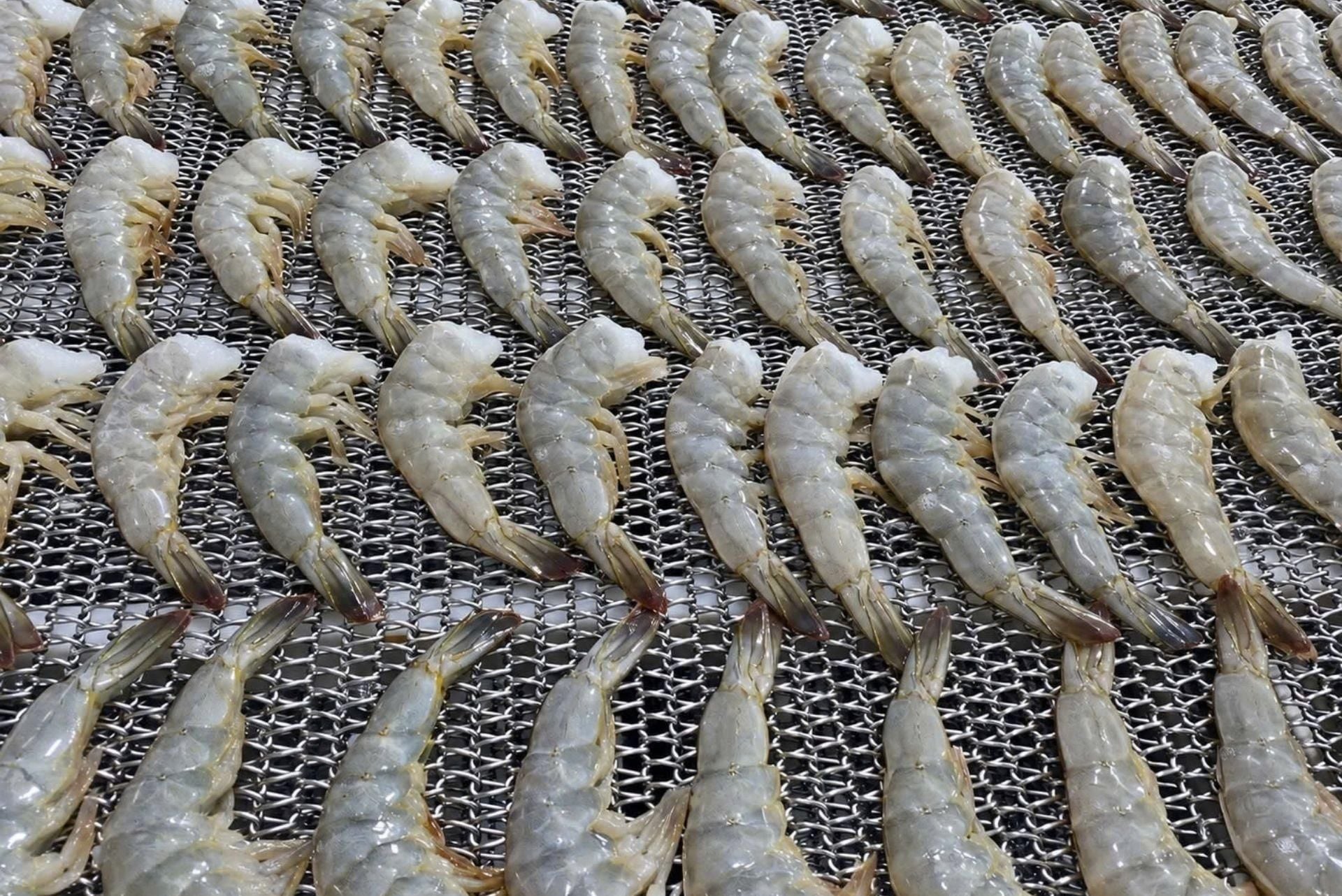
In contrast to the positive developments of the fish and seafood group, shrimp exports in October were estimated at nearly 474 million USD, down 4.9%. Of which, whiteleg shrimp reached nearly 307 million USD, down 8.3%.
Taking the 10 months together, whiteleg shrimp exports reached 2.62 billion USD, up only 4%. Meanwhile, green lobster reached nearly 915 million USD, up 31%, contributing more than 216 million USD, equivalent to about 62% of the turnover increase for the entire shrimp group.
Thus, although shrimp exports still maintained a cumulative growth rate of 9%, this result is being significantly supported by lobster items, while whiteleg shrimp – the key product of the shrimp farming and processing industry – has a fairly modest growth rate.
The above developments reflect the difficulties of Vietnam's shrimp industry against the backdrop of import demand in major markets not recovering evenly. According to VASEP, in the first 8 months of the year, US shrimp import volume decreased by 0.7%, the EU decreased by 2.3%, while China increased by 25.5%. During the same period, Ecuador's shrimp exports increased by up to 19.8%, creating additional competitive pressure for Vietnamese enterprises.
In that context, the ability to improve shrimp exports in the final months of the year depends not only on consumption demand but is also impacted by supply competition and selling prices in international markets.
On the opposite side, pangasius has more favorable prospects. Export turnover of this item in 10 months approached the 2 billion USD mark, up 11% compared to the same period.
According to VASEP's analysis, Atlantic cod prices remained at a high level due to limited supply, while Alaska pollock was also under pressure from raw material prices. The price gap between wild-caught fish and farmed fish is creating additional opportunities for Vietnamese pangasius to access distributors, especially in the moderately priced white-fleshed fish segment.
China and ASEAN Contribute Greatly to Export Growth
By market, China – Hong Kong continues to be a prominent bright spot for Vietnam's seafood exports. In the 10 months of 2026, export turnover to this market reached 2.62 billion USD, up 30.3% over the same period, contributing about 54% of the total turnover increase of the entire industry.
ASEAN also recorded positive results with turnover reaching 722 million USD, up 22.9%. Overall, China – Hong Kong and ASEAN contributed nearly 745 million USD more, accounting for about two-thirds of the seafood export increase in 10 months.
In other traditional markets, exports to the EU and Japan showed signs of improvement in October, increasing by 22.1% and 6.7% respectively. Thanks to this, the cumulative 10-month growth rate of the two markets reached 1.1% and 2.8% correspondingly.
However, the turnover increase from the EU and Japan in 10 months only reached about 49 million USD, significantly lower than the contributions of China – Hong Kong and ASEAN.
Notably, the US market is becoming one of the bottlenecks for seafood export growth. Particularly in October, export turnover to the US fell 11.8%, to nearly 200 million USD. Cumulatively in 10 months, exports to this market reached 1.63 billion USD, down 1.2% compared to the same period.
The decline in the US occurred simultaneously with downward whiteleg shrimp export developments, showing that Vietnamese seafood enterprises are still facing many challenges in a market with an important role for the shrimp industry.
POR20 Results May Decide Prospects for Shrimp Exports to the US
One of the factors receiving attention from shrimp industry enterprises in the coming time is the final result of the 20th administrative review (POR20) regarding anti-dumping duties on Vietnamese shrimp in the US.
According to updated information from VASEP, the preliminary result of POR20 determined anti-dumping duty rates of 6.30% for STAPIMEX, 10.76% for the Fimex group, and 7.56% for 27 enterprises receiving separate rates. The final result is expected to be announced in early November 2026.
This is considered an important factor for export costs, price competitiveness, and order negotiations of Vietnamese shrimp enterprises in the US.
In the event that the final tax rate is significantly reduced compared to preliminary results, order negotiation and signing prospects could be improved. However, as the remaining time of 2026 is limited, positive impacts, if any, will more likely be clearly reflected in orders for early 2027.
Conversely, if tax rates are maintained near preliminary results or higher, shrimp exports to the US will continue to face pressure, thereby limiting the short-term recovery capability of the entire industry.
With results reaching 10.459 billion USD after 10 months, to complete the export target of 12 billion USD in 2026, the seafood industry needs to reach an additional approximately 1.541 billion USD in the final two months of the year, equivalent to an average of about 770 million USD per month.
This average level is significantly lower than the estimated turnover of October alone, showing that the 12 billion USD target has a foundation to be achieved. Even so, the ability to far exceed the target still depends on maintaining purchasing power in the China and ASEAN markets, while awaiting recovery signals from the shrimp industry after the US announces the final results of POR20.
Editorial note: The article retains numbers according to the VASEP data you provided, without adding external figures. The average level of 770 million USD/month is calculated from the remaining turnover needed to reach the 12 billion USD target.
Source: Tap chi Kinh te Moi truong
Related Articles

Purchasing power recovers, export rice prices rise sharply
12/11/2026

Vietnamese watermelons and durians gain wider access to China
12/11/2026

Will fresh agricultural products be opened as a "green channel" across the border?
12/11/2026

Agricultural products and food to the UK: Big opportunities, strict standards
11/11/2026




