


Nearly 96% of Vietnamese durians exported to China
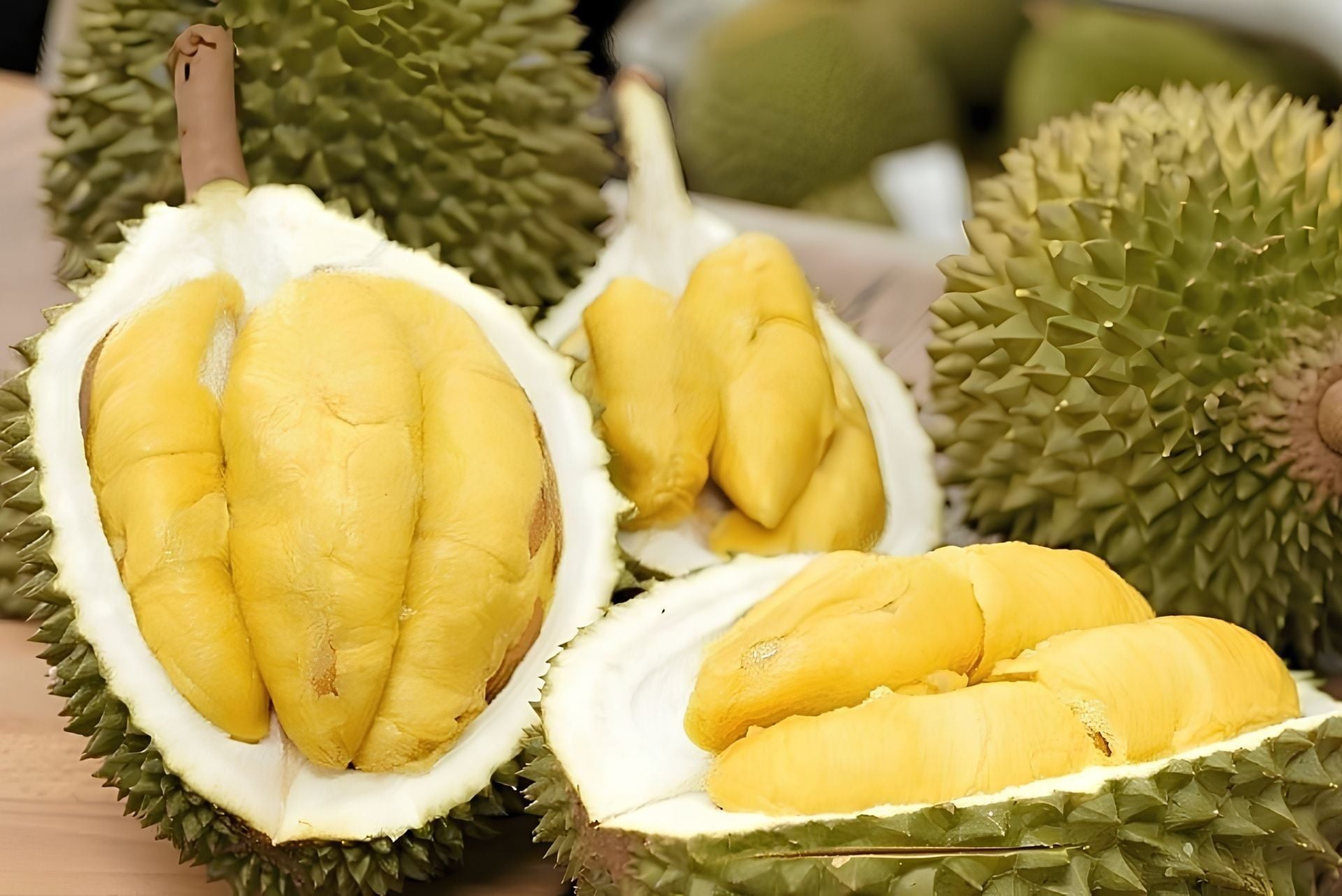
In nine months, China accounted for nearly 96% of Vietnam's durian export turnover, leaving this commodity sector with almost no alternative markets.
According to preliminary statistics from the Customs Department, in the first 9 months of the year, Vietnam earned more than 3.45 billion USD from durian exports, a 25% increase over the same period last year. Mainland China alone reached nearly 3.3 billion USD, up 27.6%, accounting for nearly 96% of the total turnover. This proportion is higher than the 93.6% recorded in the same period last year.
The remaining markets show a wide gap, with Papua New Guinea ranking second at 37.68 million USD, Hong Kong at 36.7 million USD, and the US at nearly 20.5 million USD.
According to Mr. Dang Phuc Nguyen, General Secretary of the Vietnam Fruit and Vegetable Association, mainland China is an exceptionally important consumption market because its population favors fresh durians. Meanwhile, many other markets mainly consume frozen, segmented, and processed products.
This concentration makes durian exports vulnerable if China tightens quality control or reduces imports. Mr. Nguyen analyzed that durians have high value but ripen quickly, making long-term storage difficult without deep freezing. When goods cannot clear customs on schedule, the risk of congestion at packing warehouses in the West and the Central Highlands will increase, bringing along pressure for sell-offs.
Markets such as the US, EU, Japan, South Korea, or Australia have potential but lack the capacity to absorb the volume of fresh durians if redirected in a short period. According to Mr. Nguyen, these markets mostly consume frozen products or serve the Asian consumer group, so they cannot replace China in terms of output scale.
The risk is also evident in the price bargaining power of growers. During the peak harvest season, when harvested volumes pile up while the output mainly depends on customs clearance into China, farmers are often at a disadvantage. If exports are blocked, traders may reduce purchases or force prices down, while growers lack cold storage to hold goods waiting for market recovery.
In fact, durian exports grew slower than expected this year. Mr. Nguyen said selling prices were lower during the peak season; growing areas in the West faced disadvantages regarding Cadmium, while the Central Highlands experienced erratic rain and sunny weather, affecting quality and output. Better growth in processed durians contributed to pulling up the overall turnover.
To reduce the risk of dependency, according to Mr. Nguyen, in the immediate future the durian industry needs to maintain stability in the Chinese market by controlling quality right from the growing areas, especially Cadmium residues, plant protection products, and origin traceability. Localities need to increase testing capacity, monitor growing area codes, and packing facilities to limit non-standard shipments.
In the long term, experts believe that enterprises need to invest in cold storage, deep freezing, and deep processing such as frozen segments, ice cream, cakes, and durian powder to extend shelf life and facilitate transportation to distant markets. At the same time, enterprises should focus on deeper exploitation of markets with trade agreements such as the Regional Comprehensive Economic Partnership (RCEP), the Free Trade Agreement between Vietnam and the European Union (EU) - EVFTA; focus on the high-end segment, supermarket systems, and Asian customer groups in the US, Japan, EU, meeting GlobalG.A.P. or organic standards.
The industry also needs to increase linkages between the State, scientists, enterprises, and farmers. Enterprises sign long-term off-take contracts with cooperatives, coordinate harvest plans, and invest in cold storage and logistics at raw material areas to proactively manage supply, reducing the pressure of urgent sales during peak seasons or export disruptions.
Mr. Nguyen forecasts that Vietnam's durian exports this year could reach 4.5-4.7 billion USD, an increase of about 20% compared to last year.
Source: VnExpress
Related Articles

Purchasing power recovers, export rice prices rise sharply
12/11/2026

Vietnamese watermelons and durians gain wider access to China
12/11/2026

Will fresh agricultural products be opened as a "green channel" across the border?
12/11/2026

Agricultural products and food to the UK: Big opportunities, strict standards
11/11/2026




