


Indonesia tightens Halal inspections, non-compliant goods may be destroyed at port
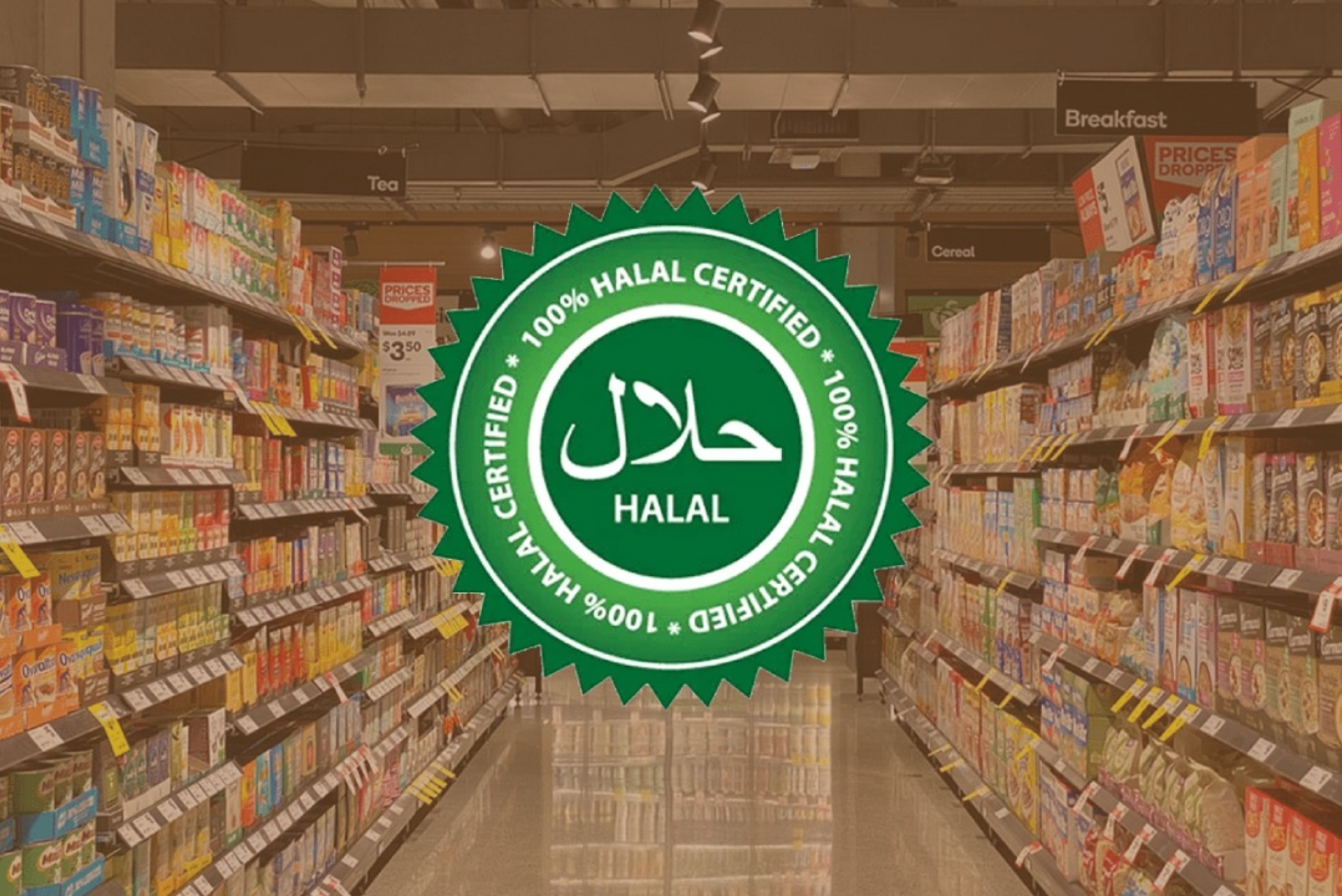
From September 2026, Halal goods imported into Indonesia must undergo physical verification directly at the loading warehouse in the country of origin before shipment. Each shipment must undergo a separate verification, while serious violations may lead to the revocation of certificates, withdrawal of goods from circulation, or destruction.
The Halal Product Assurance Organizing Agency of Indonesia (BPJPH) has just issued Decision No. 4/2026, promulgated on August 10, 2026, and taking effect after 30 days. The new regulation significantly alters the procedure for imported Halal goods as inspections are shifted from the time the cargo has arrived at the port to before containers are packed and transported from the country of origin.
This change directly affects Vietnamese enterprises exporting product groups such as confectionery, cereal products, processed vegetables and fruits, and processed aquatic products to the Indonesian market.
According to Decision 4/2026, Indonesian importers must register for Halal product verification on BPJPH's integrated electronic system and select an inspection body designated by BPJPH. The inspection organizations must meet numerous conditions regarding licensing, capacity, management systems, and specialized personnel.
The verification is conducted directly at the loading warehouse in the country of origin. The inspection body will cross-check dossiers with actual goods, including Halal certificate numbers or registration numbers, HS codes, quantities, product codes, production dates, and label information on packaging.
A point enterprises need to pay special attention to is that the Halal Product Assurance Report (LPPH) is valid only for one shipment and one import occasion. This means the verification process must be conducted again for each consignment, instead of using one certificate for multiple export times. Costs and implementation time may therefore also arise for each shipment.
The regulation also establishes specific timelines. After fully paying the verification fee, the importer and exporter have a maximum of 30 days to provide the verification schedule. If the deadline is exceeded, the dossier is rejected and the fee is refunded. Thereafter, the inspection body has a maximum of 15 days to complete the verification process and may be granted an extension of up to a maximum of 15 days when necessary.
The scope of verification exemptions is relatively narrow, mainly applying to personal luggage, goods of Indonesian overseas contract workers, transit goods, goods of Hajj pilgrims, and test samples. The majority of ordinary commercial shipments do not fall under this category.
According to the assessment of the Vietnam Trade Office in Indonesia, the notable challenge lies not only in Halal certification requirements but also in the operational process and data synchronization requirements. HS codes, invoices, packing lists, batch numbers, and production dates of goods must match the registration dossiers. Coordination among BPJPH, inspection bodies, foreign Halal certification bodies, and the Indonesia National Single Window (SINSW) customs system may also encounter obstacles if data is not synchronized.
Notably, sanctions for violations do not stop at warnings. Indonesia's regulations permit the application of measures including the revocation of Halal Certificates, revocation of registration numbers, withdrawal of goods from circulation, and in serious cases, goods may be destroyed. This means discrepancies in dossiers or between dossiers and actual goods can entail significant damage for enterprises.
Vietnamese product groups directly affected include confectionery and cereal products, processed vegetables and fruits, and processed aquatic products. These are also commodity groups with raw material chains and many intermediary stages, increasing the requirement to control consistency between dossiers and actual products.
The Vietnam Trade Office in Indonesia recommends that exporting enterprises coordinate with importers right from the registration and declaration stage with BPJPH, carefully checking to ensure that actual goods match documents before loading. Enterprises should also proactively discuss with partners to select inspection bodies suitable for product characteristics, thereby limiting the risk of shipments being held or prolonged inspection times.
Source: Vnbusiness
Related Articles

Many Vietnamese agricultural products capture nearly half of Sweden’s market share
08/10/2026

Shrimp exports to the EU decelerate: How are Vietnamese enterprises adapting?
08/10/2026

Common fish transforms into an export commodity, helping Mekong Delta farmers hold their ground at home
08/10/2026

Seafood exports: Enterprises prepare for a tougher scenario
08/10/2026


