


Exports to the US pay close attention to food additive regulations
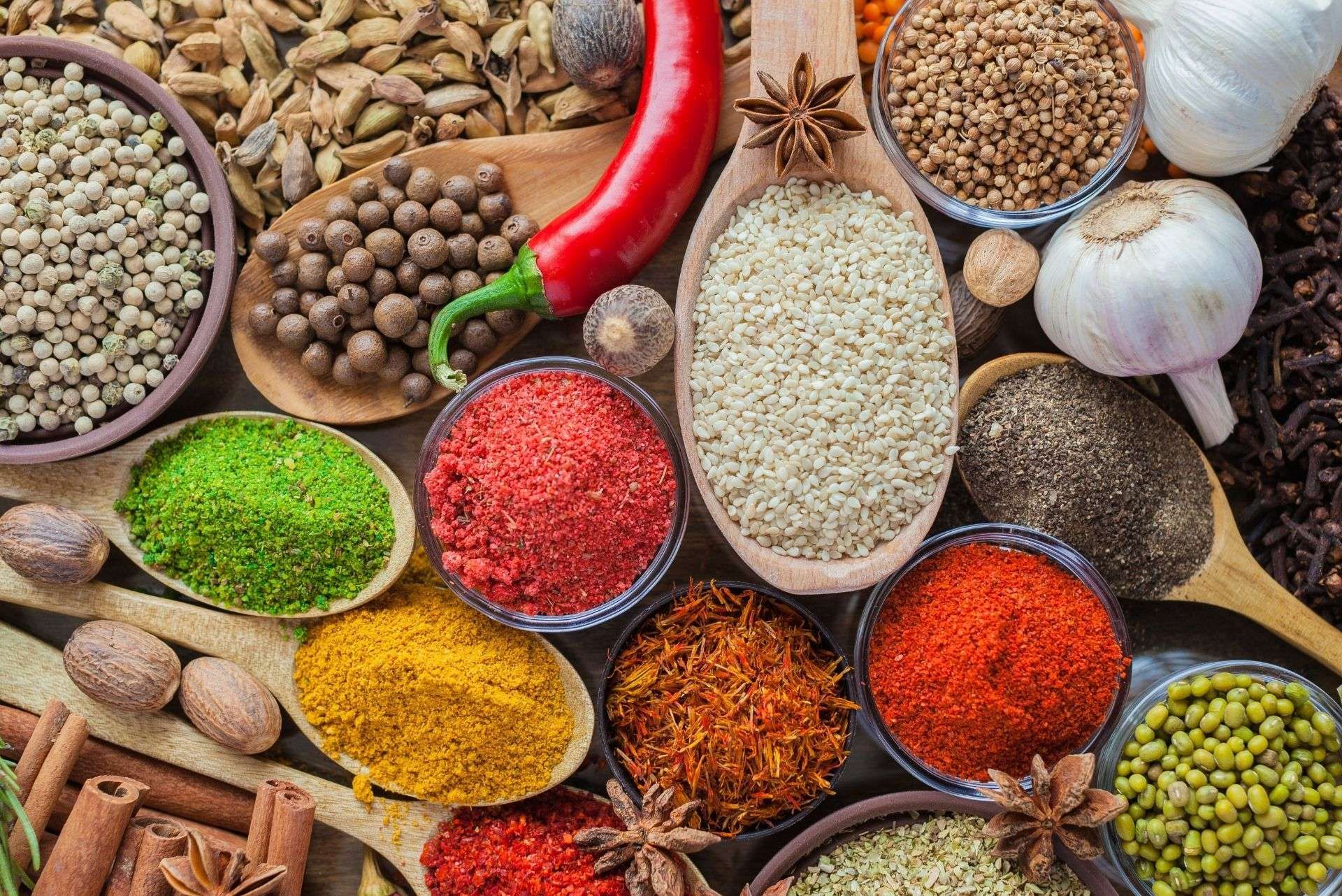
A wave of food additive controls at the US state level is compelling Vietnamese exporting enterprises to pay closer attention to local regulatory discrepancies to ensure compliance.
The Vietnam Association of Seafood Exporters and Producers (VASEP) noted that the US market—importing over USD 2 billion worth of seafood products from Vietnam annually—is witnessing a trend of intensified food additive oversight, not only at the federal level through the US Food and Drug Administration (FDA), but also at the state level.
Specifically, three pieces of legislation across California, Texas, and Louisiana apply distinct regulatory approaches, ranging from outright bans on select additives to warning label mandates and disclosure via QR codes.
These regulations may impact food exporting enterprises, including those in the seafood sector.
For decades, food additives in the US were primarily regulated at the federal level. However, driven by consumer health advocacy movements and the "Make America Healthy Again" (MAHA) trend, several states have proactively enacted stricter rules regarding food ingredients.
Three key acts attracting business community attention include the California Food Safety Act (AB 418), Texas Senate Bill (SB 25), and Louisiana Act (SB 14). These regulations differ in scope and implementation timelines, requiring exporting enterprises to audit product formulations, input raw materials, and labeling strategies.
Under the California Food Safety Act (AB 418), starting January 1, 2027, human food containing any of four banned substances—brominated vegetable oil (BVO), potassium bromate, propylparaben, and Red Dye No. 3—will no longer be permitted for manufacture, distribution, or sale within the state. Civil penalties may reach up to USD 5,000 for a first violation and USD 10.000 for each subsequent violation.
For Vietnamese seafood enterprises, direct impacts may remain relatively limited on primary-processed items such as frozen shrimp, frozen pangasius fillets, or frozen tuna. However, deep-processed, value-added items—such as breaded seafood, ready-to-eat meals, seafood soups, sauces, and multi-ingredient blends—require thorough review if controlled additives are utilized.
Texas has opted for an approach rooted in the consumer's right-to-know. Under its state law, covered food products containing any of 44 listed ingredients must carry a warning on their label. This requirement applies to product labels developed or copyrighted from January 1, 2027 onward.
The list encompasses synthetic dyes such as Red 40, Yellow 5, and Yellow 6; preservatives or additives such as BHA, BHT, and propylparaben; the dough conditioner azodicarbonamide (ADA), titanium dioxide, and numerous other compounds.
Louisiana has selected an electronic disclosure model. Beginning January 1, 2028, covered food products containing any of the 44 listed ingredients must display a QR code on the label, accompanied by a consumer notice stating that the code can be scanned for additional information.
The QR code must direct consumers to a manufacturer-managed website. The act also prohibits the use of 15 specific ingredients in food served at public schools and state-funded private schools starting in the 2028–2029 academic year.
According to VASEP, while the majority of primary-processed seafood products rarely utilize controlled additives, risks could escalate for value-added processed categories such as breaded shrimp, breaded fish, ready-to-cook frozen foods, canned seafood in sauce, and multi-ingredient products.
In particular, enterprises utilizing synthetic food dyes, antioxidants like BHA or BHT, or bleached wheat flour in breaded offerings should promptly audit product formulations, evaluate state-level compliance margins, and identify necessary adjustments.
To mitigate long-term financial and operational risks, enterprises processing and exporting seafood to the US should proactively audit processed product formulations and their entire active additive inventory; evaluate exposure risks against regulated substances under California, Texas, and Louisiana laws.
Concurrently, businesses should progressively embrace the Clean Label trend, prioritizing natural colorings and compliant additives tailored to target export markets.
Source: Bao Tai chinh - Dau tu
Related Articles

Purchasing power recovers, export rice prices rise sharply
12/11/2026

Vietnamese watermelons and durians gain wider access to China
12/11/2026

Will fresh agricultural products be opened as a "green channel" across the border?
12/11/2026

Agricultural products and food to the UK: Big opportunities, strict standards
11/11/2026




