

Exports to ASEAN: Geographical proximity warrants cautious navigation
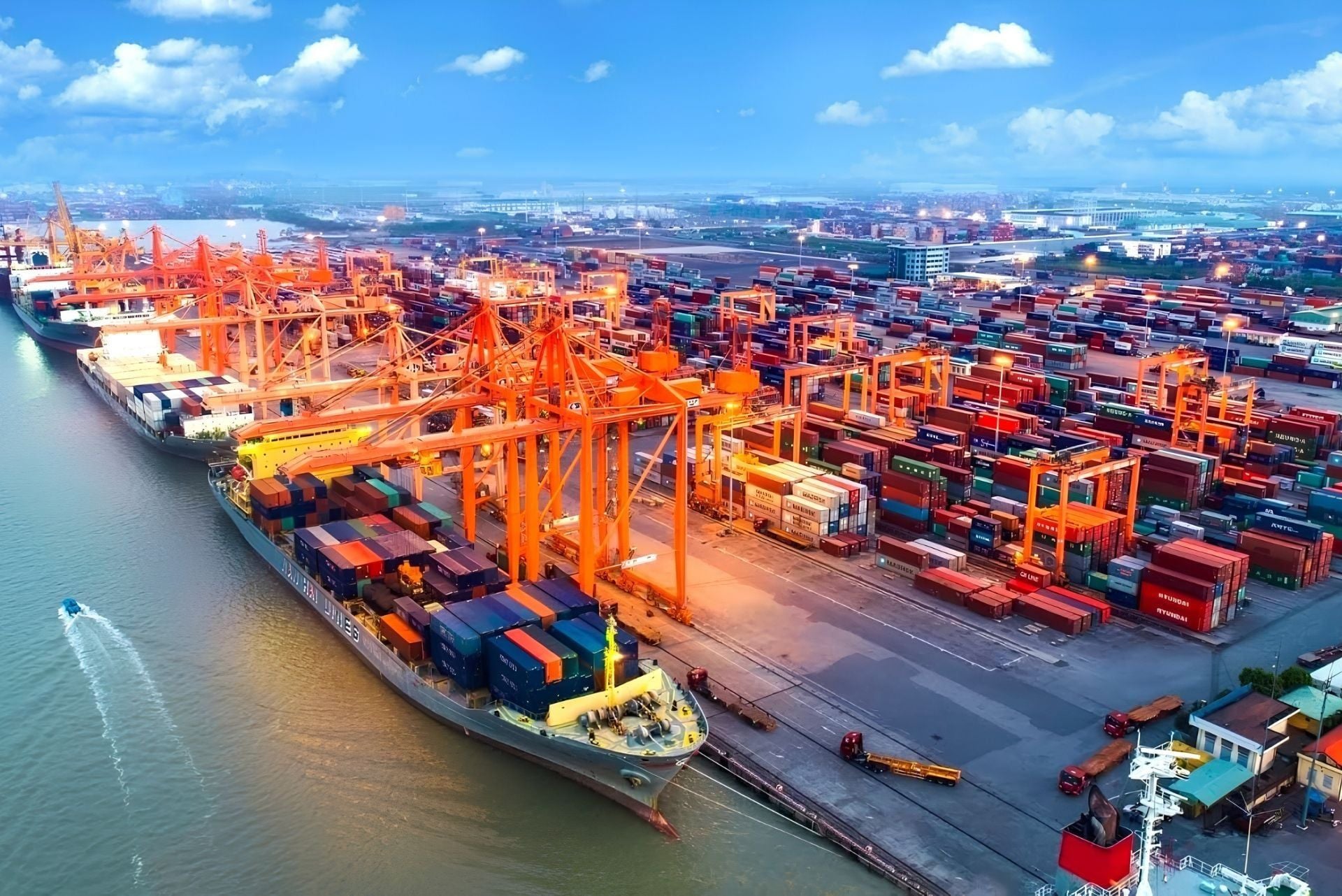
The ASEAN market unlocks vital opportunities for Vietnamese goods, but tariff preferences do not equate to safe commercial transactions. Variances in technical standards, import procedures, payment terms, and logistics can quickly transform a shipment into a severe financial loss. Therefore, risk management must commence long before pitching orders and executing contracts.
A consignment laden with multi-layered risks
Opportunities to expand exports into the ASEAN market stem not only from close geographic proximity and intra-bloc tariff preferences, but also from the diverse demand profiles of its member economies. However, behind these advantages lie legal differences, product standards, distribution channels, and commercial customs that enterprises cannot resolve through competitive pricing alone.
According to Assoc. Prof. Dr. Trinh Thi Thu Huong from Foreign Trade University, ASEAN must be viewed as an interconnected production and trade network comprising multiple markets that remain unaligned in institutional frameworks, infrastructure, and administrative procedures. Enterprises seeking to exploit this market effectively must transition from a narrow cost-optimization mindset to simultaneously balancing operational costs and risk exposures.
Even within the trade bloc, goods must satisfy destination import regulations, ranging from rules of origin and technical standards to customs procedures.
The ASEAN Trade in Goods Agreement (ATIGA) establishes the basis for enjoying preferential tariffs, but low tariff rates are not automatically granted unless enterprises fulfill rules of origin and substantiate product provenance.
"Enterprises must proactively leverage the ASEAN Trade Repository (ATR) and the Vietnam National Trade Repository (VNTR) to look up tariff schedules, rules of origin, non-tariff measures, and relevant procedures. Document preparation must be tied to raw material governance, production workflows, and traceability across the entire supply chain," Assoc. Prof. Dr. Trinh Thi Thu Huong noted.
Risks can likewise materialize directly at the logistics stage. The shortest maritime route is not necessarily the most economical option when factoring in demurrage fees, waiting times, risk of missed vessel connections, and incidental port charges at transshipment hubs. Consequently, logistics selection must prioritize total landed cost, delivery timelines, and operational reliability rather than freight rate comparisons alone.
A scenario shared by Ms. Nguyen Thi Trang, Managing Director of Nguyen Khoi Investment and Trade Co., Ltd., illustrates the profound consequences of inadequate preparation:
A Vietnamese enterprise exported three containers of roasted and ground coffee to Indonesia under CIF terms at Belawan port, utilizing Indonesian rupiah settlement with a 60-day deferred payment term. Upon arrival, the consignment was detained due to missing Indonesian-language labeling and a lack of registration codes from Indonesia's National Agency of Drug and Food Control (BPOM).
The buyer demanded a 15% price discount and conditioned payment strictly upon successful customs clearance. Meanwhile, demurrage charges for the three containers mounted to 9 million VND per day. A 30-day wait to complete registration and affix secondary labels incurred total corrective costs of approximately 330 million VND—comprising 270 million VND in demurrage fees and 60 million VND in registration and labeling outlays.
This case demonstrates that compliance failures can rapidly escalate into severe financial and negotiating pressure. Executed contracts do not imply transaction security; if responsibilities are unclearly defined, enterprises are easily cornered into accepting unfavorable demands to release detained cargo.
Safeguarding from partners to contracts and cash flows
In Indonesia, Mr. Pham The Cuong, Commercial Counsellor of the Vietnam Trade Office in Indonesia, emphasized that enterprises must pay rigorous attention to mandatory national standards (SNI), local content requirements (TKDN), product circulation registrations, and Halal certification for applicable commodity groups. These are not procedural steps that can be postponed until cargo reaches destination ports.
Enterprises must also clearly distinguish the legal roles of importers versus distributors, exercising caution when executing exclusive distribution agreements. Registering trademarks early, verifying counterparty legal status, and auditing payment mechanisms are critical steps to prevent losing control over brands, goods, or cash flows.
Regarding the Myanmar market, Mr. Ngô Xuân Tỵ, Commercial Counsellor of the Vietnam Trade Office in Myanmar, highlighted key risk clusters requiring vigilance: local partner selection, import regulations, foreign exchange and payment controls, taxation, customs, logistics, and business culture. These factors demand even more cautious assessment when approaching a volatile market striving for trade recovery.
A unifying thread across all recommendations is never to equate market demand with a partner's financial solvency, nor to mistake initial cordial communication for a guarantee of transactional success. Verifying legal entity status, operating addresses, execution capacity, and historical trade records must be conducted prior to transferring earnest deposits or dispatching shipments.
Furthermore, risk management must extend into logistics. Assoc. Prof. Dr. Trinh Thi Thu Huong recommends that enterprises formulate contingency transportation plans, audit vessel sailing schedules, document cutoff times, port congestion statuses, and transshipment feasibility. For overland transport, border gate operating hours, bilateral working days, and transit conditions must be strictly verified. Historical shipping data should also be archived and analyzed to sharpen predictive capabilities.
From the perspective of support agencies, supplying market intelligence, updating host-nation regulations, and facilitating partner connections must align more tightly with actual business needs. Vietnamese trade offices abroad serve as vital liaisons for enterprises to research markets, identify risks, and access appropriate trade promotion opportunities.
For enterprises, the immediate imperative is establishing an end-to-end control workflow: counterparty due diligence, product legal compliance audits, contract reviews, payment risk evaluations, and contingency logistics planning. Each market, commodity group, and partner demands a customized approach rather than a blanket formula applied across ASEAN.
Therefore, to exploit the ASEAN market efficiently, enterprises must not only capitalize on geographic proximity and tariff preferences, but also proactively govern risks across every transactional stage. From partner vetting and host-country compliance to contract reviews and backup logistics planning, each step requires rigorous calculation.
Proactive early prevention not only limits financial losses, but safeguards commercial results when market disruptions or disputes arise. A transaction is truly successful only when goods are delivered to exact specifications, payments are fully settled, and profit margins remain uncorroded by preventable risks.
Source: Tap chi Kinh te - Tai chinh
Related Articles

Purchasing power recovers, export rice prices rise sharply
12/11/2026

Vietnamese watermelons and durians gain wider access to China
12/11/2026

Will fresh agricultural products be opened as a "green channel" across the border?
12/11/2026

Agricultural products and food to the UK: Big opportunities, strict standards
11/11/2026