


Developing brackish water tilapia: A strategy to forge identity and elevate the value of Vietnamese seafood
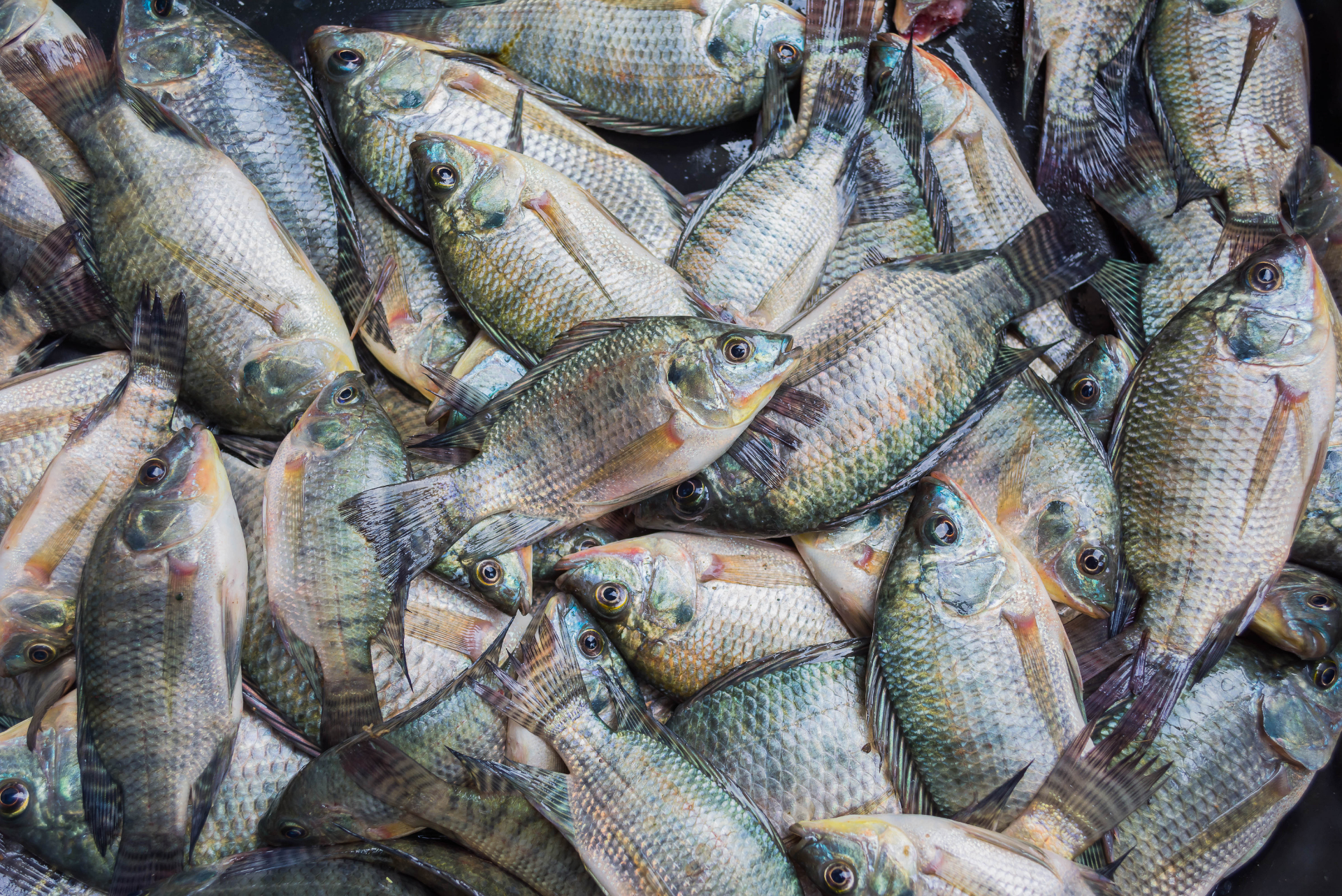
Amid intensifying competition over volume and price points in the global whitefish market, shifting toward brackish water tilapia farming is unlocking a breakthrough direction. This is not only a solution to optimize coastal ecological resources, but also a foundation helping Vietnamese seafood break away from mass commodity segments to reach high-value-added, deep-processed product lines.
Unique ecological advantages and inroads into the sushi and sashimi segments
For years, the global tilapia industry has been largely dominated by nations holding advantages in massive domestic farming scales and low operating costs. Continuing to race along the traditional export model with low-end frozen fillets keeps domestic enterprises under severe profit-margin pressure. Confronted with this dilemma, carving out a distinct segment anchored by unique ecological conditions has become a pragmatic solution to forge a differentiated standing.
According to published information from the Vietnam Association of Seafood Exporters and Producers (VASEP), brackish water tilapia farming models are demonstrating clear efficiency in adapting to climate change and saltwater intrusion across coastal provinces. Introducing tilapia into brackish pond systems—particularly through crop rotation or polyculture in underperforming shrimp ponds—not only maximizes land and water resource utilization, but also produces superior raw material quality.
From a technical standpoint, suitable salinity levels noticeably improve muscle tissue quality: the flesh is firmer, offers a naturally delicate sweetness, has fewer intramuscular bones, and crucially eliminates the muddy odor that plagues fish farmed in inland freshwater environments. Thanks to these organoleptic attributes, brackish raw material supplies establish a critical foundation for developing refined, deep-processed product lines.
The transition from raw commodities to refined supplies is most vividly reflected in the successful export of Vietnamese tilapia to Japan for sushi and sashimi processing. VASEP data indicates that the Japanese market is opening substantial headroom for Vietnamese tilapia, driven by food safety and meat quality that meet stringent raw consumption standards. For a conventionally mass-market species to secure a spot on demanding sashimi tables, the supply chain must navigate rigorous technical filters: from breeding salinity-tolerant seed stocks, managing aquatic environments, and controlling feed quality, to harvesting protocols, deep-freezing methods, parasite inspections, and comprehensive traceability. Mastering these stages underscores the progressive upgrading of supply chain control across the domestic seafood sector.
The whole-chain control challenge and sustainable development pathways
While prospects across value-added food segments are vast, elevating brackish water tilapia demands a long-term vision and systematic management. Lessons from other seafood sectors reveal that demand spikes can easily trigger unguided, spontaneous farm expansion beyond zoning master plans. Such trend-chasing often results in disease outbreak risks, pond environmental degradation, and supply-demand imbalances.
For this approach to deliver lasting, sustainable value, the tilapia sector requires a synchronized, end-to-end development strategy. First, broodstock and seed selection must receive targeted investment to supply strains that exhibit high survival rates in fluctuating salinity, rapid growth rates, and optimal fillet yields. Furthermore, zoning large-scale concentrated farming areas linked with farm identification codes and unequivocal traceability is a prerequisite for maintaining importer confidence.
In parallel, optimizing feed conversion efficiency and applying advanced aquaculture technologies (such as Recirculating Aquaculture Systems [RAS] or Biofloc) will help control input costs, protect surrounding ecosystems, and proactively build resilience against climate change. Production must strictly align with actual market demand and consumer signals rather than expanding unchecked.
Ultimately, brackish water tilapia is not merely a novel farming method, but a case study in building product differentiation. When managed rigorously from culture ponds to processing facilities, Vietnamese tilapia has every capability to shake off the cheap commodity label, assert a distinctive identity, and foster sustainable competitiveness on the global stage.
Source: Tap chi Doanh nghiep va Hoi nhap
Related Articles

Many Vietnamese agricultural products capture nearly half of Sweden’s market share
08/10/2026

Shrimp exports to the EU decelerate: How are Vietnamese enterprises adapting?
08/10/2026

Common fish transforms into an export commodity, helping Mekong Delta farmers hold their ground at home
08/10/2026

Seafood exports: Enterprises prepare for a tougher scenario
08/10/2026


