


China accounts for over half of Vietnam’s seafood export expansion
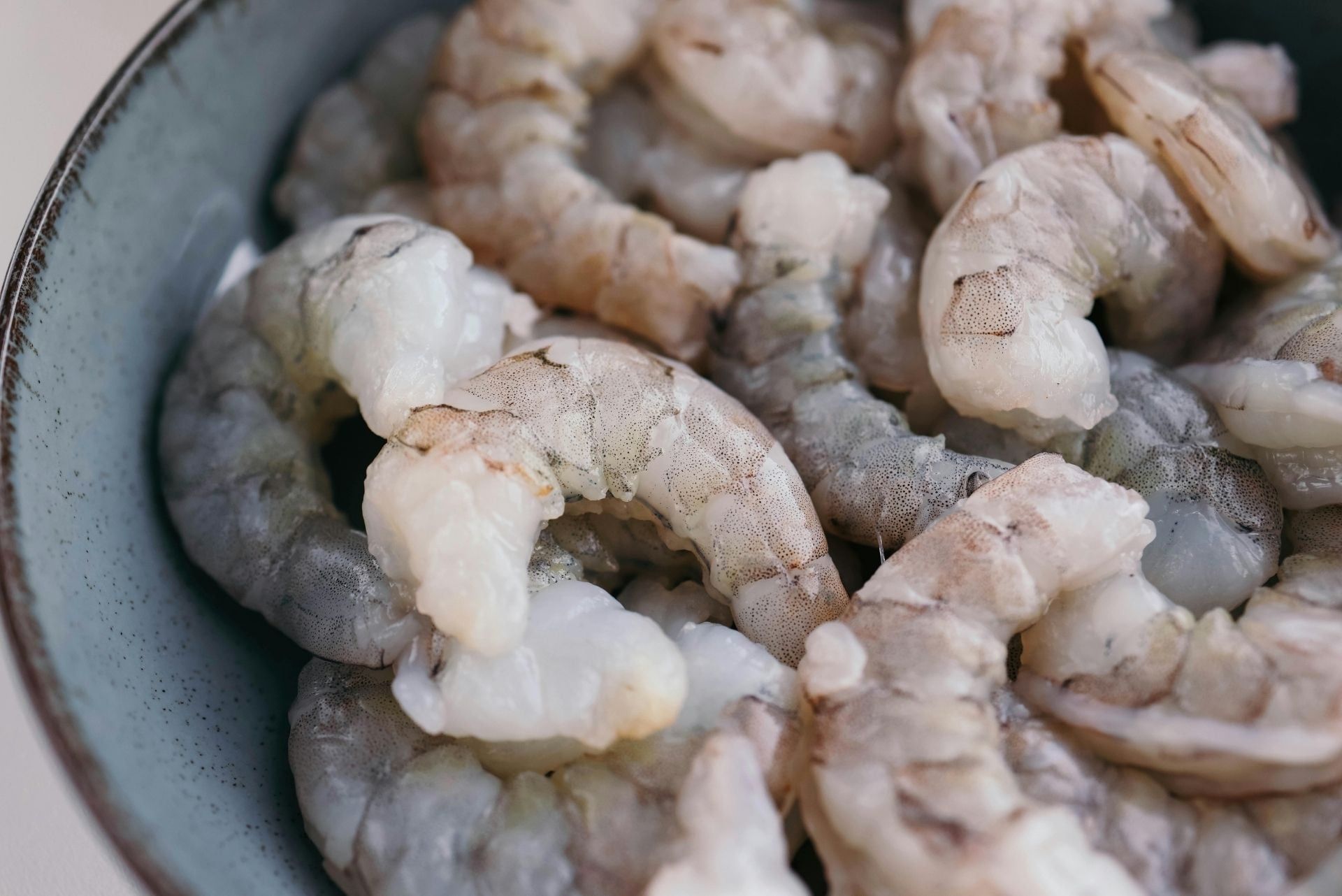
China (including Hong Kong) contributed approximately 62% of Vietnam's seafood export growth during the first nine months of the year, while purchasing demand across the United States, the European Union, and Japan lost momentum.
According to data from the Vietnam Association of Seafood Exporters and Producers (VASEP), seafood exports in September topped USD 1.1 billion, climbing nearly 12% year-on-year.
Cumulatively over the first nine months, Vietnam earned more than USD 9 billion, marking an 11.4% increase compared to the same period last year.
China (including Hong Kong) stood out as the leading destination, generating USD 2.3 billion in the first nine months, a 33% increase. In the previous month alone, Vietnamese seafood shipments to this market exceeded USD 0.3 billion, surging 40%. In terms of incremental export value gained year-on-year, this single destination accounted for roughly 62% of the overall growth generated across the entire sector.
This upward momentum spanned diverse commodity lines, notably shrimp, pangasius, crabs and other crustaceans, as well as marine fish. According to VASEP, China has evolved into the central destination for several Vietnamese seafood staples, contrasting with softer demand across traditional Western consumer markets.
However, supply-side competitive pressure is intensifying. Beijing lifted its annual summer commercial fishing moratorium in early September, injecting fresh domestic marine catches into retail channels. Furthermore, several Ecuadorian shrimp facilities regained market export access to China, broadening procurement alternatives for local importers. VASEP cautions that these inflows may create downward pricing pressure for Vietnamese goods.
Beyond China, Vietnamese seafood shipments to the ASEAN bloc expanded by over 45% in September. Across the entire nine-month period, seafood sales to ASEAN reached over USD 0.6 billion, up 21% year-on-year. Similarly, South Korea increased procurement by more than 16% last month, lifting its cumulative total to USD 0.65 billion since the start of the year.
Conversely, shipments to several of Vietnam's traditional seafood export destinations—including the United States, the EU, and Japan—inched up less than 1% collectively through nine months. In the previous month, all three markets trimmed their procurement of Vietnamese seafood by 3.4%, 12.8%, and 13.7%, respectively.
Regarding commodity mix, shrimp retained the highest share, delivering USD 3.75 billion over nine months, up 11%. Similarly, pangasius export sales climbed nearly 11% year-to-date to top USD 1.7 billion, while tuna generated nearly USD 0.72 billion (up 3.5%). The highest growth occurred in crabs and other crustaceans, which reached USD 0.35 billion—a climb of nearly 32% year-on-year.
VASEP projects that seafood export momentum will ease in the fourth quarter following the rapid acceleration seen in the third quarter. Many holiday inventory purchase orders were imported and fulfilled early, making it difficult to sustain high volumes of supplemental restocking.
Raw material availability also presents an operational bottleneck, as supplies of farmed shrimp, pangasius, and tilapia are projected to tighten compared to earlier months. Meanwhile, wild-caught marine seafood cannot easily scale up volume due to a shortage of compliant raw catches and stringent origin traceability mandates.
For the full year, VASEP forecasts that Vietnam's seafood exports can reach USD 12 billion. While China and ASEAN will remain the primary buyers for Vietnamese goods through the year-end home stretch, their demand pull may struggle to fully compensate if consumption across traditional markets remains subdued.
Source: VnExpress
Related Articles

Purchasing power recovers, export rice prices rise sharply
12/11/2026

Vietnamese watermelons and durians gain wider access to China
12/11/2026

Will fresh agricultural products be opened as a "green channel" across the border?
12/11/2026

Agricultural products and food to the UK: Big opportunities, strict standards
11/11/2026




