


A seafood favored by Americans presenting major export opportunities
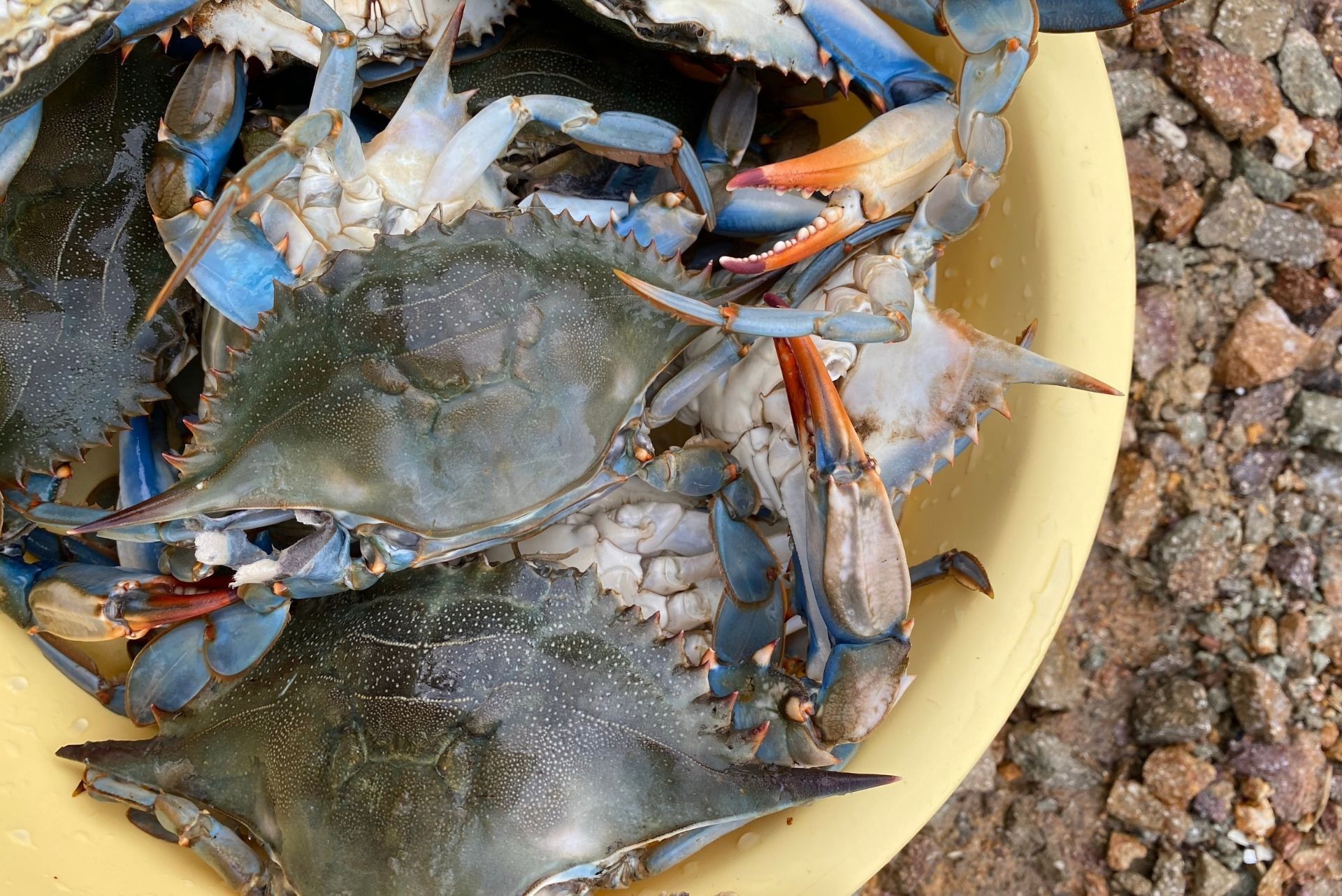
Thanks to obtaining comparability findings under the Marine Mammal Protection Act (MMPA), up to 86% of Vietnam's blue swimming crab export turnover is directed to the US market.
According to statistics from Vietnam Customs, during the first 9 months of this year, blue swimming crab exports reached approximately USD 87.1 million, up nearly 58% year-on-year, while surpassing total export turnover for all of 2025.
Notably, blue swimming crab export turnover in July recorded a sharp surge of 120%. Moving into August and September, growth rates moderated to 43% and 36%, respectively, yet export values maintained elevated levels above USD 14 million per month.
Growth momentum stemmed primarily from the US market. In 9M, blue swimming crab exports to this market touched approximately USD 75 million, up nearly 70% year-on-year, accounting for 86% of Vietnam's total blue swimming crab export turnover.
This growth trajectory unfolded as Vietnamese blue swimming crabs gained an enhanced market access advantage following the National Oceanic and Atmospheric Administration's (NOAA) comparability findings in mid-May for Vietnam's blue swimming crab fisheries under the Marine Mammal Protection Act (MMPA).
Accordingly, harvested seafood products originating from Vietnam's recognized crab fisheries continue to be permitted for import into the US. Conversely, select crab fisheries in the Philippines failed to secure comparability recognition and faced import restrictions into this market.
This development is viewed as a major opportunity for Vietnamese enterprises as US importers seek supply sources that satisfy statutory legal mandates. Nevertheless, Vietnam must still compete with alternative suppliers such as Indonesia and Sri Lanka.
Enterprises evaluate that NOAA's comparability recognition for Vietnam's blue swimming crab fisheries under the MMPA in May represents a vital achievement for Vietnam's harvesting sector.
Per notifications from US authorities, Vietnam's crab fisheries were evaluated as comparable in effectiveness to US regulatory management programs. Consequently, enterprises exporting blue swimming crabs to the US do not have to perform Certification of Admissibility (COA) application procedures required for unapproved fisheries.
Nonetheless, the comparability finding remains valid through December 31, 2029, and is subject to review if Vietnam's management program ceases to satisfy compliance conditions.
On the flip side, according to assessments by the Vietnam Association of Seafood Exporters and Producers (VASEP), heavy reliance on the US market exposes the crab sector to vulnerability should this destination adjust import policies or elevate mandates regarding origin, harvesting methods, and environmental protection.
Meanwhile, alternative destination markets have yet to establish substantial market balance. Blue swimming crab exports to South Korea reached nearly USD 3 million, up 89%; Australia grew nearly 18% to roughly USD 1 million...
Conversely, exports of this commodity item to the EU dropped 57%, the UK contracted nearly 40%, Japan declined 16%, and Canada fell 59%. This highlights that market diversification efforts face ongoing hurdles, while the US continues to play a decisive role in driving blue swimming crab export expansion.
Blue swimming crab harvesting stands as one of Vietnam's high-value wild-capture fisheries—ranking second only to tuna harvesting—engaging approximately 20,000 fishermen.
Within this sector, blue swimming crab capture is concentrated primarily in the former Kien Giang region (now part of An Giang province), with annual harvest yields averaging 6,000 to 8,000 metric tons. During the 2017–2019 period, Vietnam's crab harvest volumes dropped sharply due to environmental impacts. In 2018, harvest volume contracted to just 2,000 tons, down 73% compared to 2013.
By 2023, VASEP coordinated with the Research Institute for Marine Fisheries to reactivate the Kien Giang Blue Swimming Crab Fishery Improvement Project (FIP). This initiative had originally operated since 2012 but was temporarily halted following severe yield declines.
Source: Bao dien tu Dan tri
Related Articles

Purchasing power recovers, export rice prices rise sharply
12/11/2026

Vietnamese watermelons and durians gain wider access to China
12/11/2026

Will fresh agricultural products be opened as a "green channel" across the border?
12/11/2026

Agricultural products and food to the UK: Big opportunities, strict standards
11/11/2026




